
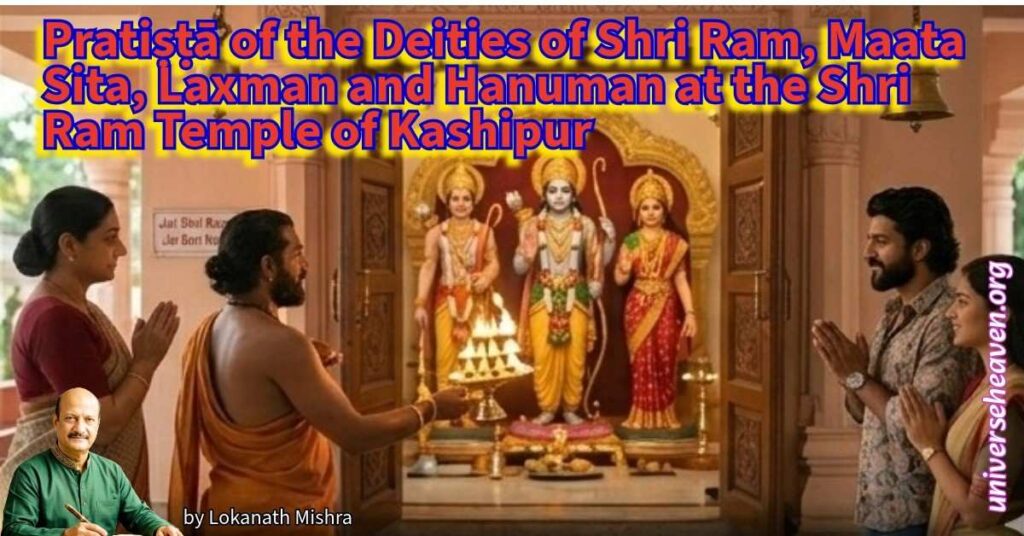
Pratiṣṭā of the Deities of Shri Ram, Maata Sita, Laxman and Hanuman at the Shri Ram Temple of Kashipur
By Lokanath Mishra
On 28th April 2026, I, along with my wife and mother-in-law, had the sacred privilege of visiting Kashipur to witness a profoundly spiritual and culturally significant event—the Pratiṣṭā (consecration) of the deities of Shri Ram, Maata Sita, Laxman, and Hanuman at the Shri Ram Temple. This divine occasion was not merely a ritualistic ceremony but a deeply transformative spiritual experience that brought together devotion, tradition, and collective faith.
The ritual of Pratiṣṭā occupies a central place in Hindu temple traditions. It is the process through which divine presence is invoked into idols, transforming them from artistic representations into living embodiments of the sacred. Rooted in ancient Vedic practices and guided by scriptural injunctions, this ceremony symbolizes the union of the material and the spiritual, allowing devotees to connect with the divine in a tangible form.
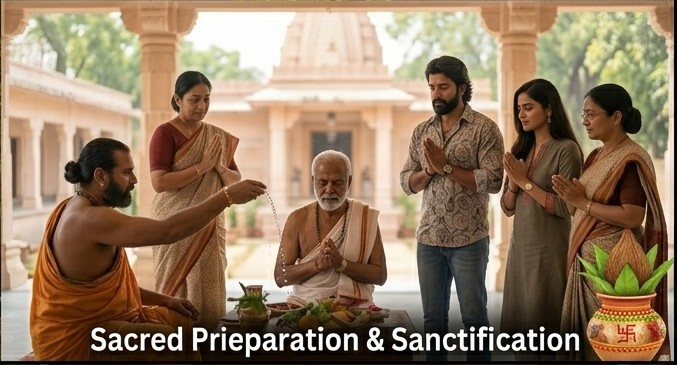
The day began with śuddhi-kriyā (purification rites), wherein the entire temple परिसर was sanctified. Sacred water, infused with herbs and मंत्र शक्ति, was sprinkled throughout the temple grounds. The rhythmic chanting of Vedic mantras created a serene and uplifting atmosphere, preparing both the space and the minds of devotees for the divine proceedings. The priests then performed Ganapati Pūjā, invoking Lord Ganesha to remove all obstacles, followed by Punyāhavācana, a ritual intended to purify and bless the environment.
A significant phase of the ceremony was the Kalasha Sthāpana. Decorated pots filled with holy water, mango leaves, and coconut were placed at designated spots, symbolizing the presence of divine energies. These kalashas acted as focal points of spiritual शक्ति, and their स्थापना marked the invocation of cosmic forces into the ritual space.
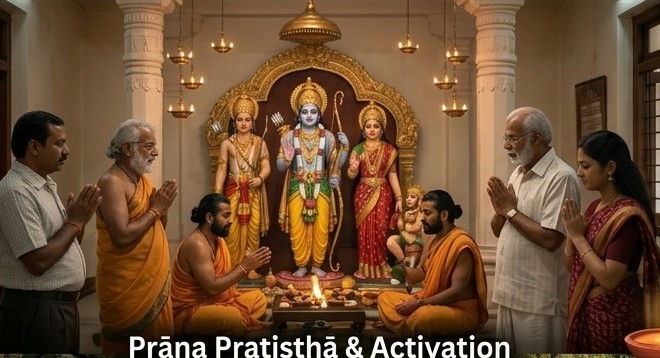
The most sacred and climactic moment was the Prāṇa Pratiṣṭhā. Conducted with meticulous adherence to Vedic injunctions, this ritual involved the invocation of life force (prāṇa) into the deities. The priests, through intense meditation and powerful मंत्रोच्चार, invited the divine essence of Shri Ram and his companions to reside within the idols. At that moment, a palpable shift in the atmosphere was felt—devotees stood in reverent silence, many with folded hands and moist eyes, as the idols were spiritually awakened. It was no longer stone that stood before us, but the living presence of divinity.
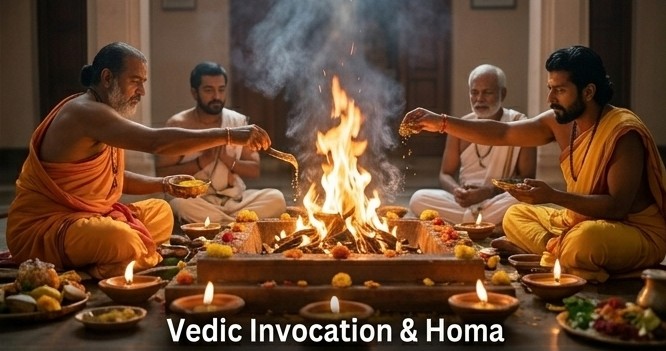
Following this, a grand Homa (Yajña) was performed. Offerings such as ghee, grains, and sacred herbs were poured into the consecrated fire while Vedic hymns and verses from the Ramayana were chanted. The sacred fire symbolized purity, transformation, and divine communication, carrying the prayers of devotees to higher realms. The fragrance of the offerings, combined with the sound of chants, created an immersive spiritual environment.
The ceremony concluded with Ārati, a deeply devotional act of offering light to the deities. As the temple doors were opened for darśan, an overwhelming sense of joy and devotion filled the air. The sounds of conch shells, temple bells, and devotional songs resonated throughout the परिसर. Devotees enthusiastically chanted “Jai Shri Ram,” expressing their reverence and spiritual fulfillment.
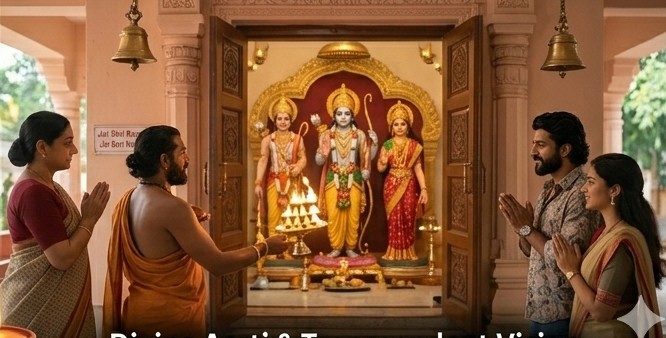
This Pratiṣṭā ceremony was not only the स्थापना of divine idols but also the स्थापना of a spiritual केंद्र in Kashipur. It fostered a sense of unity, devotion, and renewed commitment to the ideals of dharma, righteousness, and compassion as exemplified by Shri Ram. For me and my family, being present at this auspicious event was a deeply enriching experience—one that strengthened our faith and left an indelible impression on our hearts.
Such sacred occasions serve as reminders of the enduring relevance of spiritual traditions in contemporary life. The Shri Ram Temple of Kashipur now stands not just as a place of worship, but as a beacon of faith and moral guidance for generations to come.