
Bridging Generations: From Earning a Living to Living with Meaning
By Lokanath Mishra
In every era, humanity stands at a crossroads between tradition and transformation. Today, perhaps more than ever, we witness a visible contrast between the older and younger generations—not as a conflict, but as an opportunity for mutual learning. The difference lies not merely in habits or lifestyles, but in the philosophy of living itself.
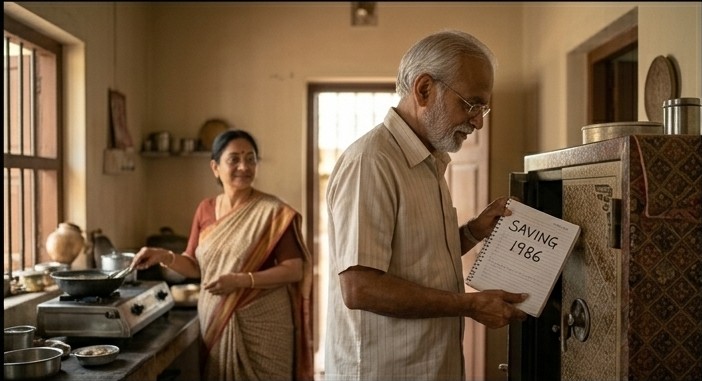
The older generation, shaped by scarcity, responsibility, and resilience, devoted much of their lives to earning and saving. Their sacrifices built families, institutions, and societies. They believed in securing the future—often at the cost of the present. Yet, in many cases, once stability was achieved, a question remained unanswered: When do we truly live? Accumulated wealth, though essential, sometimes lacked a purposeful channel—whether for personal joy, service to society, or spiritual fulfillment.
In contrast, the younger generation has emerged with a different perspective. They value experiences over possessions, presence over postponement, and emotional well-being alongside financial security. Weekends are not merely breaks from work, but celebrations of life. Travel, creativity, friendships, and self-discovery form an integral part of their journey. While this approach may appear impulsive to some, it carries a deeper wisdom: life is not only to be prepared for—it is to be lived.
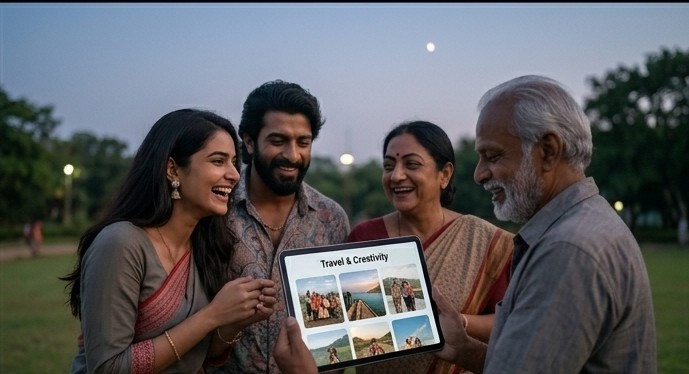
However, neither approach is complete in isolation. A life spent only in saving may miss the sweetness of the moment, while a life spent only in enjoyment may lack long-term stability. The true essence lies in balance—a harmonious integration of responsibility and joy, discipline and freedom, earning and experiencing.
This is where the spiritual dimension becomes vital. Spirituality teaches us not just how to live, but why we live. It reminds us that wealth is a tool, not the goal; that time is precious, not renewable; and that happiness grows when shared. Both generations, therefore, have something invaluable to offer each other. The elders bring wisdom, patience, and foresight. The youth bring enthusiasm, adaptability, and a zest for life. When these qualities merge, society flourishes.
Such a spirit of unity and shared happiness finds beautiful expression in gatherings that celebrate both tradition and transformation. One such occasion is the upcoming celebration in Cuttack—a city that stands as the cultural heartbeat of Odisha. Known for its rich heritage, historical pride, exquisite silver filigree (Tarakasi), and grand festivities like Durga Puja, Cuttack symbolizes the continuity of tradition alongside evolving cultural vibrancy.
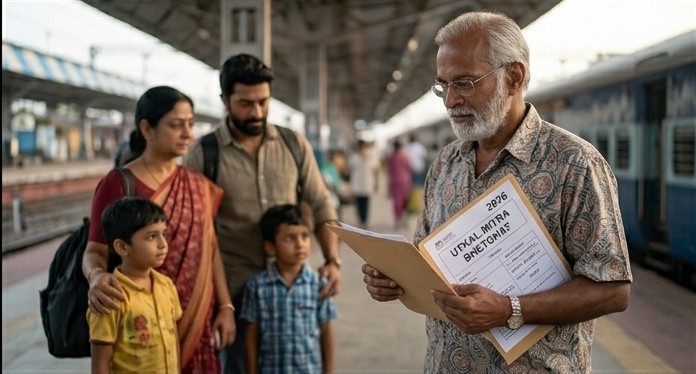
On the 3rd of May 2026, at Sanskruti Bhawan, this spirit will come alive through the 21st Utkal Mitra Bhetghat and the Utkal Pratibha Samman Samaroh 2026. These events are not merely ceremonial—they are platforms for connection, recognition, and inspiration. They celebrate talent, honor contributions, and most importantly, foster the sharing of happiness across generations.
Guiding this noble initiative is Dr. Rajendra Prasad Panda—a visionary leader, motivational speaker, life coach, investment guide, and social reformer. His life itself is a message of balance and service, exemplified by his extraordinary commitment as a centurion blood donor. Through his leadership, the movement of “Happy Moments India” seeks to inspire individuals to not only seek happiness but to share it.
At the heart of this initiative lies a simple yet profound message:
“Let us be happy to share happiness.”
This message carries deep spiritual significance. Happiness is not a possession to be guarded, but a light to be spread. When shared, it multiplies—bridging gaps, healing differences, and creating a sense of belonging. In this shared joy, generational differences dissolve, and a collective harmony emerges.
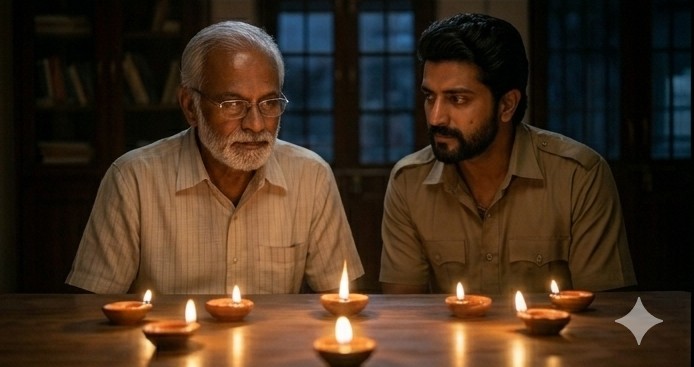
As we reflect on the evolving dynamics between generations, let us not view them as opposites, but as complementary forces. Let the wisdom of the past guide us, and the energy of the present inspire us. Let us earn with purpose, save with foresight, spend with joy, and give with compassion.
For in the end, a fulfilled life is not measured by how much we accumulate, but by how deeply we experience, how wisely we use, and how generously we share.
And perhaps, in that balance, we discover the true art of living.