
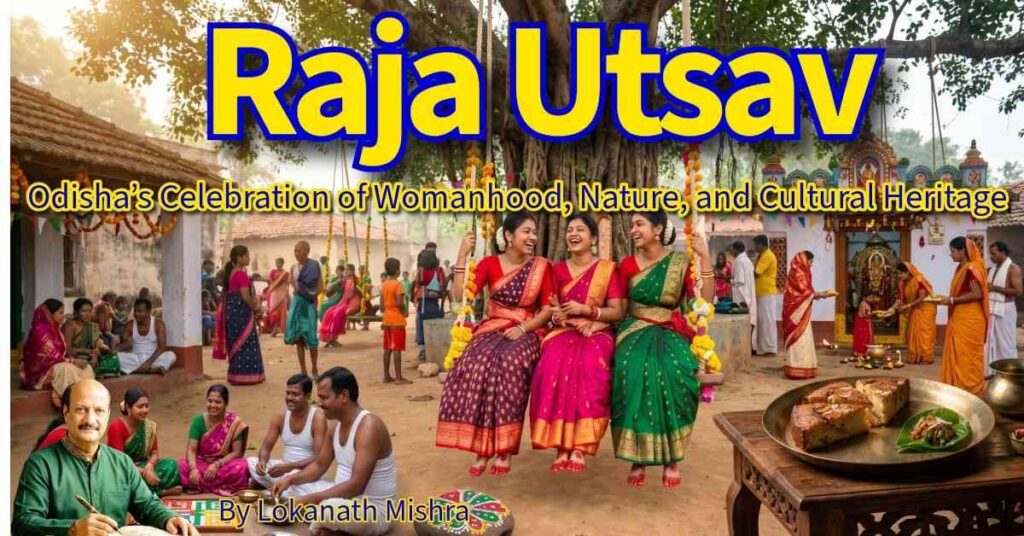
Raja Utsav : Odisha’s Celebration of Womanhood, Nature, and Cultural Heritage
By Lokanath Mishra, Jenamath Lane, Puri
Every year, the arrival of the monsoon brings with it one of the most colourful and culturally significant festivals of Odisha—Raja Utsav. In 2026, the festival will be celebrated from 14 June to 16 June, continuing a tradition that has been cherished by generations of Odias. More than just a festival, Raja is a unique celebration of womanhood, fertility, and the harmonious relationship between human life and Mother Earth.
A distinctive and deeply rooted belief associated with Raja Utsav in Odisha is that not only Mother Earth (Basumata) but also all Devi Matas are believed to undergo Rajaswala (menstruation) during this sacred period. This belief elevates the festival beyond an agricultural observance into a profound expression of reverence for feminine creative power. As a mark of respect for this divine state, temples dedicated to various goddesses observe special rituals, and in many places the deities are symbolically considered to be in seclusion. Reflecting this sacred understanding, many households in Odisha traditionally abstain from sexual relations during the Raja period, regarding it as a time of purity, restraint, and honouring the regenerative forces of nature. Such a widespread cultural observance, combining spiritual symbolism with social practice, is a remarkable feature of Odisha’s heritage and distinguishes Raja Utsav from most other festivals in India.
Raja is essentially a three-day agrarian festival that symbolises the menstrual cycle of Mother Earth. According to traditional belief, during these days the Earth undergoes her annual period and therefore deserves rest and respect. Consequently, all agricultural activities come to a halt, allowing the soil to rejuvenate before the commencement of sowing with the arrival of the monsoon rains. This profound ecological wisdom reflects the deep understanding of nature embedded in Odisha’s cultural traditions.
The festival begins with Pahili Raja, the first day, when women and girls wake before dawn, apply turmeric and oil to their bodies, and take ceremonial baths as part of the purification ritual. The second day, known as Mithuna Sankranti, marks the beginning of the solar month and is considered the most important day of the festival. The third day, called Bhuin Dahana, continues the observance of rest for Mother Earth. On the following day, Basumata Puja is performed, during which Mother Earth is ceremonially bathed and worshipped, signifying the end of the sacred period.
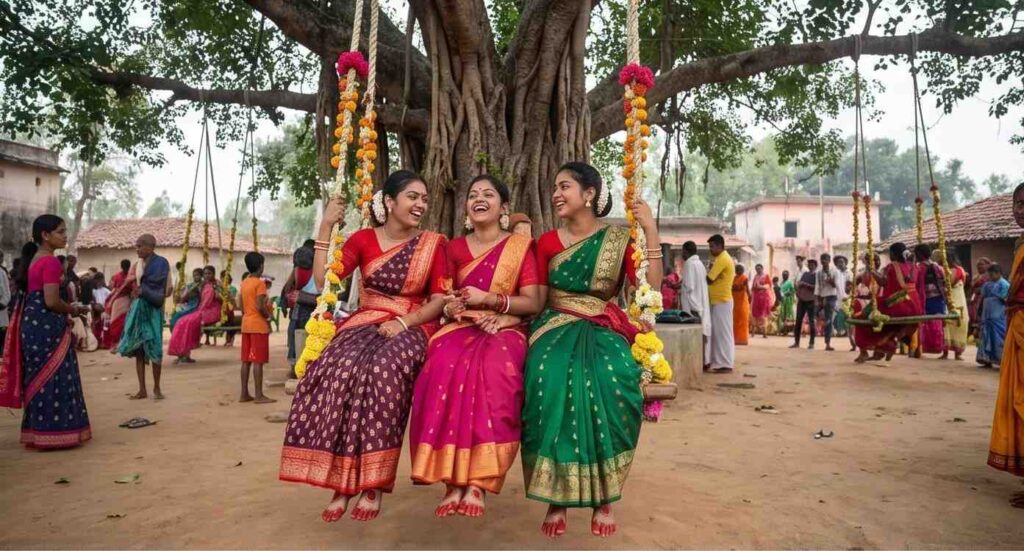
One of the most delightful features of Raja is the joyful atmosphere created by beautifully decorated Raja Doli or swings. These swings, tied to large trees or bamboo structures, become gathering places where young girls and women spend hours singing traditional Raja songs and enjoying the festive spirit. Dressed in new sarees with their hair neatly arranged and feet adorned with Alta, women celebrate their identity, beauty, and freedom in an atmosphere of happiness and companionship.
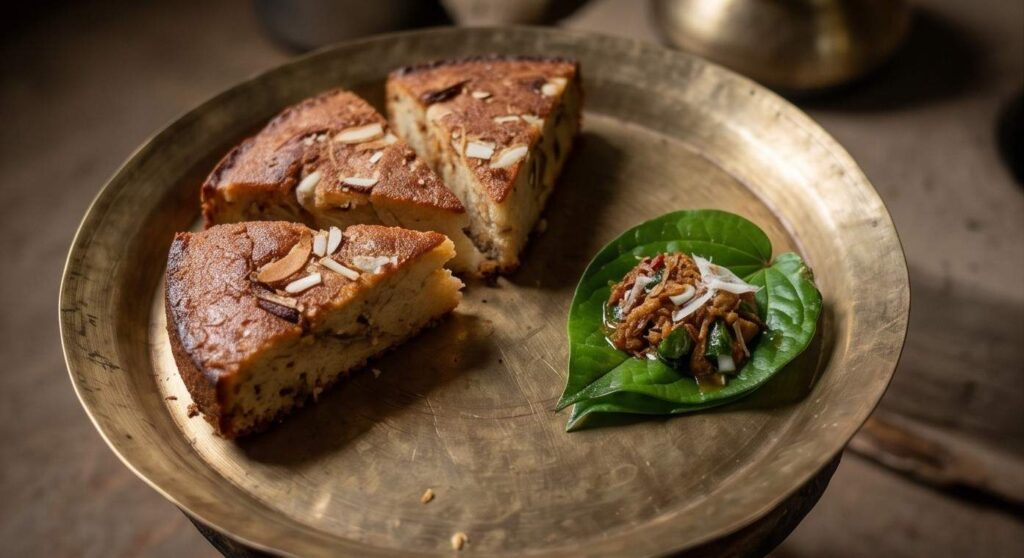
The festival is equally renowned for its rich culinary traditions. Poda Pitha, a delicious slow-baked cake made from rice flour, jaggery, coconut, and other ingredients, is the signature delicacy prepared in almost every household. Along with various traditional sweets and savouries, Raja Pitha and specially prepared paan (betel leaf preparations) occupy an important place in the celebrations and are eagerly shared among family members and guests.
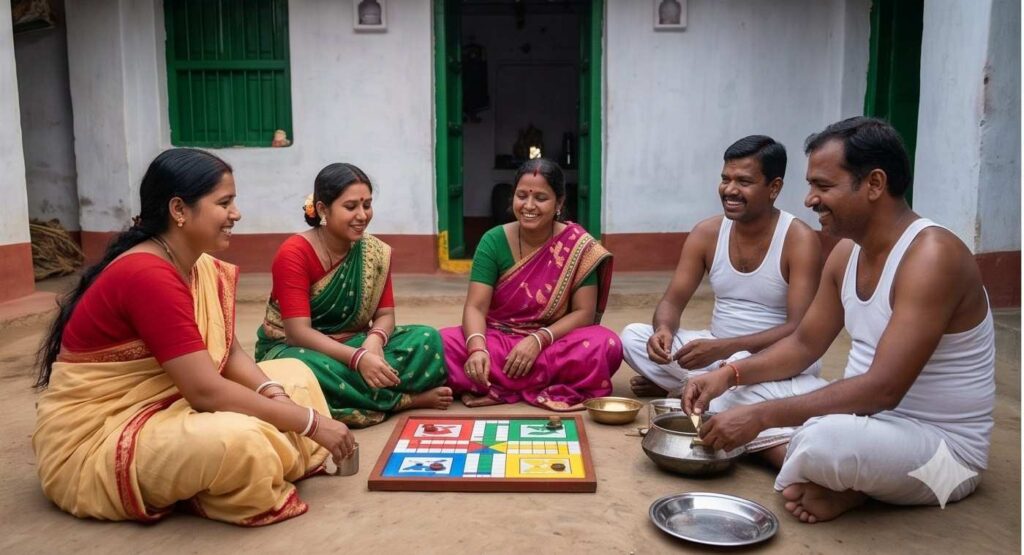
A remarkable social aspect of Raja is the temporary reversal of domestic responsibilities. Women are encouraged to take complete rest from household chores, while men assume responsibility for cooking, cleaning, and other daily tasks. Freed from routine work, women spend their time enjoying indoor games such as Ludo, cards, and Puchi, visiting relatives, and participating in community celebrations. This practice symbolises respect for women’s contributions and acknowledges their central role in family and society.
Although urbanisation has transformed many aspects of Raja celebrations, the festival continues to thrive across Odisha. In cities and towns, hotels, clubs, and cultural organisations organise Raja-themed events featuring traditional food, music, dance, and competitions. However, it is in the villages that Raja retains much of its original charm and authenticity. Rural communities continue to celebrate the festival with traditional rituals, community gatherings, folk songs, and swings erected beneath ancient trees.
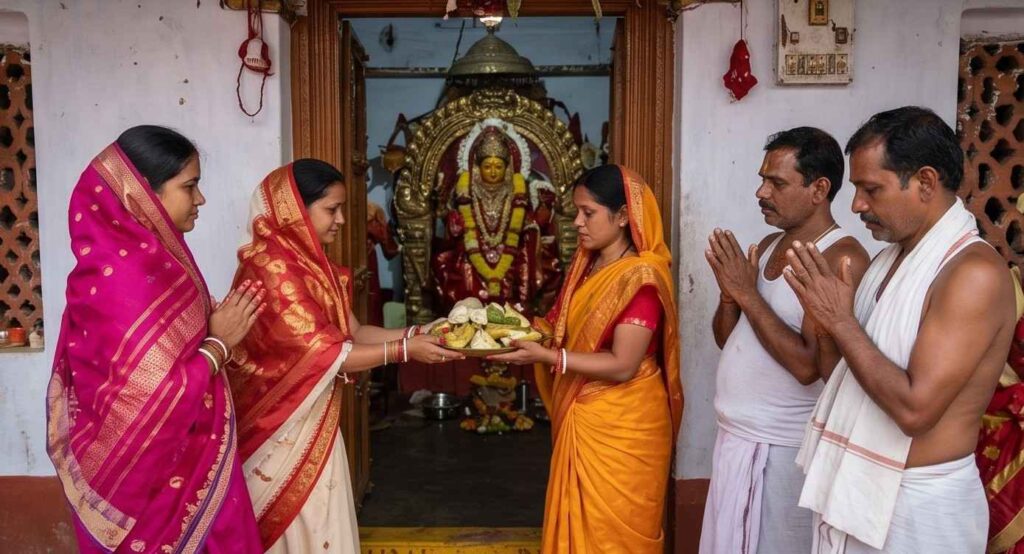
Religious observances also form an integral part of Raja. In many Devi Mandiras across Odisha, special worship is conducted and sacred offerings known as Jantal are distributed among devotees as Prasad. The spiritual dimension of the festival is particularly visible at the Shri Jagannath Temple in Puri, where various manifestations of divine feminine power, including Maha Lakshmi and Maa Bimala, are worshipped with great devotion according to traditional customs. These rituals reinforce the festival’s underlying message of reverence for feminine energy and the nurturing power of nature.
Beyond its festive attractions, Raja Utsav offers valuable lessons for modern society. It reminds us of the importance of environmental sustainability, respect for natural cycles, gender dignity, and community harmony. The concept of allowing the Earth to rest before cultivation reflects ecological principles that remain relevant in today’s discussions on sustainable agriculture and environmental conservation.
As Odisha celebrates Raja Utsav in 2026, the festival continues to stand as a living symbol of the state’s rich cultural heritage. It beautifully blends mythology, agriculture, social values, and spirituality into a celebration that honours both women and Mother Earth. Through its rituals, music, food, and collective joy, Raja remains not only a festival of tradition but also a timeless expression of gratitude to the forces that sustain life itself.