
My Fifteen-Day Grand Tour of EuropeMy Fifteen-Day Grand Tour of Europe
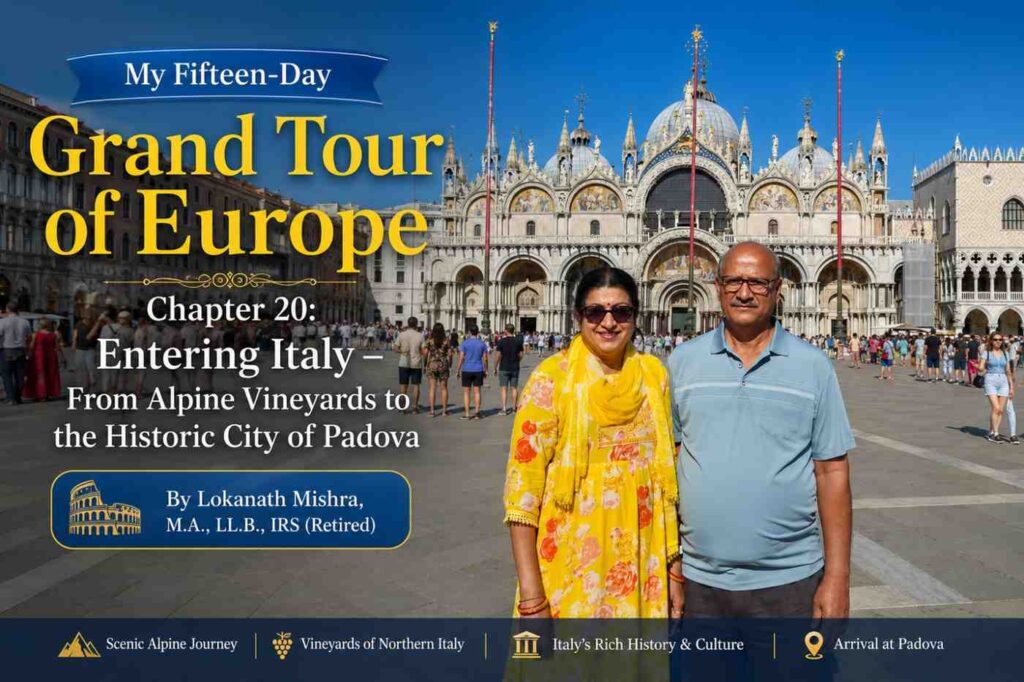
Chapter 20: Entering Italy – From Alpine Vineyards to the Historic City of Padova.
By Lokanath Mishra, M.A., LL.B., IRS (Retired).
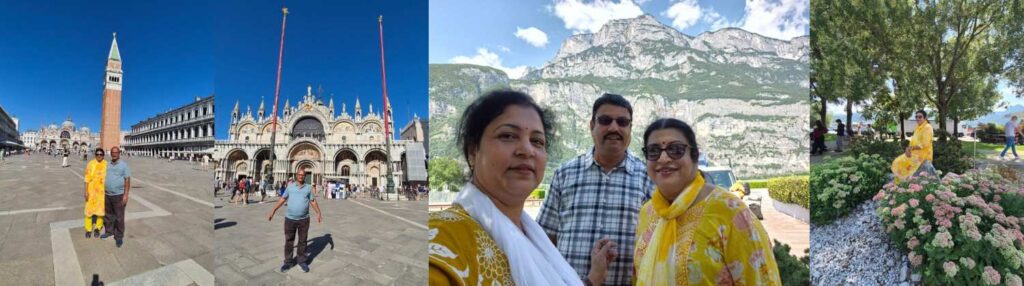
On the morning of 20th July 2026, we left Innsbruck, Austria, after enjoying the magnificent beauty of the Tyrolean Alps. Our Star Tour luxury coach began its journey southwards towards Italy, crossing the Alpine mountain passes that connect Austria with northern Italy.
The drive was one of the most scenic experiences of our European tour. As we descended from the high mountains, the landscape gradually changed. The snow-covered peaks gave way to green valleys, rolling hills and vast stretches of cultivated land. The roads were smooth and well-maintained, passing through tunnels, bridges and picturesque villages nestled among the mountains.
The Vineyards of Northern Italy
One of the most striking sights during our journey was the extensive cultivation of grapevines along the hillsides and valleys of northern Italy.
Rows upon rows of grape plants stretched across the landscape, carefully arranged in neat lines supported by wooden or metal trellises. These vineyards are primarily cultivated for the production of wine, one of Italy’s most famous agricultural products.
Italy is among the world’s largest producers and exporters of wine. The country’s climate, fertile soil and centuries-old tradition of viticulture make it ideal for growing grapes.
The vineyards we observed were part of the renowned wine-producing regions of northern Italy, where farmers have perfected the art of grape cultivation over generations.
How Wine Grapes Are Cultivated
The cultivation of wine grapes requires great care and expertise.
Farmers prune the vines regularly to control their growth and improve the quality of the grapes. The plants are trained along trellises so that they receive adequate sunlight and air circulation.
During the summer, the grapes ripen under the warm Mediterranean sun. Once harvested, they are transported to wineries where they undergo fermentation and ageing to produce different varieties of wine.
The sight of these beautifully maintained vineyards reflected the deep connection between Italian agriculture, culture and tradition.
Italy – A Land of History and Civilization
Italy is one of the most historically significant countries in the world.
It was the centre of the Roman Empire, which once ruled vast territories across Europe, Asia and Africa. Italy is also the birthplace of the Renaissance, a cultural movement that transformed art, literature, science and philosophy.
Today, Italy is known for its rich cultural heritage, historic cities, art, architecture, cuisine and fashion.
Population and Geography
Italy has a population of approximately 59 million people.
The country is located in southern Europe and is shaped like a boot extending into the Mediterranean Sea. It shares borders with France, Switzerland, Austria and Slovenia.
The capital city is Rome, which has been one of the world’s most important centres of religion, politics and culture for over two thousand years.
Italy is divided into 20 regions, each with its own distinct traditions, cuisine and dialects.
Agriculture in Italy
Agriculture remains an important part of Italy’s economy, especially in rural areas.
The country’s diverse climate allows the cultivation of a wide variety of crops.
Major Agricultural Products
Italy is famous for producing:
Grapes for wine.
Olives and olive oil.
Wheat.
Rice.
Corn.
Tomatoes.
Citrus fruits.
Apples.
Pears.
Peaches.
Cherries.
Almonds.
Vegetables.
The fertile Po Valley in northern Italy is one of the most productive agricultural regions in Europe.
Italian farmers combine traditional farming methods with modern technology to achieve high-quality production.
Italian Industry
Italy is one of Europe’s major industrial powers.
Its industries are renowned for their craftsmanship, design and innovation.
Major Industrial Products
Italy produces:
Automobiles.
Machinery.
Textiles.
Fashion garments.
Leather goods.
Furniture.
Ceramics.
Pharmaceuticals.
Food products.
Wine.
Olive oil.
Italian brands in fashion, automobiles and luxury goods are admired throughout the world.
Cities such as Milan, Turin and Bologna are important industrial and commercial centres.
Social Challenges in Italy
Like many countries, Italy also faces certain social challenges.
These include:
Organised crime in some regions.
Illegal drug trafficking.
Unemployment among youth.
Economic inequality.
Corruption in certain sectors.
Immigration-related issues.
It is important to understand that these problems do not represent the entire country or its people. The vast majority of Italians are law-abiding, hardworking and proud of their cultural heritage.
Italy has a strong legal system, and the government continues to take measures to combat organised crime and maintain public order.
As travellers, we experienced Italy as a welcoming and culturally rich nation with friendly people, delicious cuisine and remarkable historical monuments.
Arrival in Padova
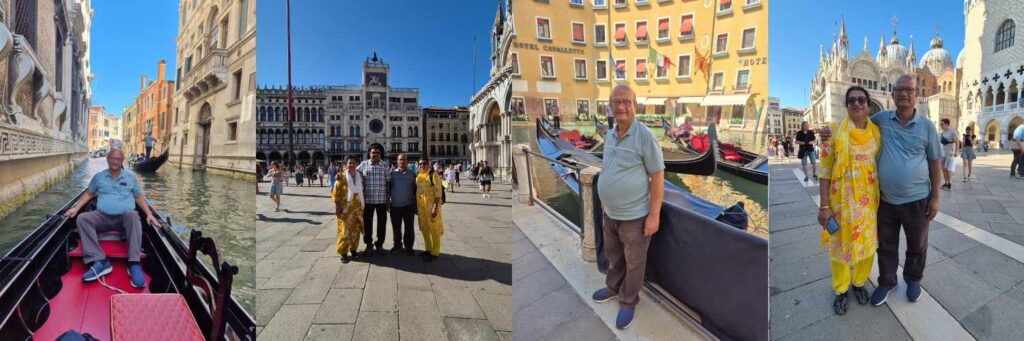
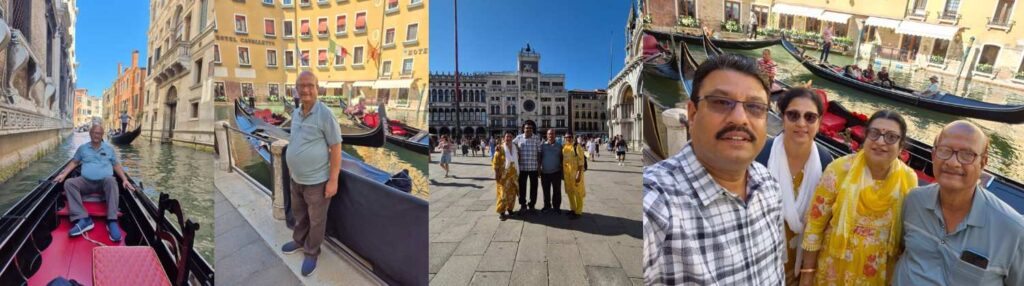
By afternoon, we arrived in the historic city of Padova (Padua), located in the Veneto region of northern Italy.
Padova is one of Italy’s oldest cities, with a history dating back more than 3,000 years.
It is famous for its ancient university, beautiful churches, medieval squares and artistic heritage.
Four Points by Sheraton
We checked into the Four Points by Sheraton hotel in Padova, where we were to stay during our visit.
The hotel provided comfortable accommodation, modern facilities and a pleasant atmosphere for travellers.
After a long journey from Innsbruck, the hotel offered a welcome opportunity to relax and refresh ourselves.
Lunch at Gandhi Restaurant
One of the most delightful moments of the day was our lunch at the Gandhi Restaurant in Padova.
As Indian travellers, we were pleased to find authentic Indian cuisine even in Italy.
The restaurant served delicious Indian dishes, including rice, dal, vegetables, chapatis and curries, reminding us of the flavours of home.
The availability of Indian restaurants in European cities reflects the growing presence of Indian communities and the popularity of Indian cuisine worldwide.
A Short Rest
After lunch, we halted for about half an hour to rest and regain our energy.
This short break was refreshing, allowing us to prepare for further exploration of Italy in the coming days.
The peaceful surroundings of Padova and the comfortable facilities of the hotel made our stay pleasant and memorable.
Reflections
Our journey from Innsbruck to Padova introduced us to another fascinating chapter of European civilization.
The Alpine vineyards, fertile agricultural fields and historic cities of Italy demonstrated the country’s rich blend of natural beauty, cultural heritage and economic vitality.
Italy’s contributions to art, architecture, science, cuisine and agriculture have profoundly influenced world civilization.
As we settled into our hotel in Padova, we looked forward with great excitement to exploring more of Italy’s historic treasures, including its ancient cities, magnificent churches and world-famous cultural landmarks.
(To be continued in Chapter 21…)l