

Gobinda Dwadashi Samudra Snan at Swargadwar, Puri: A Sacred Confluence of Faith and Tradition
By Lokanath Mishra
Gobinda Dwadashi Samudra Snan will be observed on 28 February 2026 at the holy Swargadwar on the shores of Puri Mahodadhi. This spiritually significant observance draws devotees from across the country who gather to perform a sacred sea bath (Samudra Snan), followed by darshan of Prabhu Shri Jagannath, seeking divine grace, purification, and inner renewal.
The Spiritual Importance of Gobinda Dwadashi
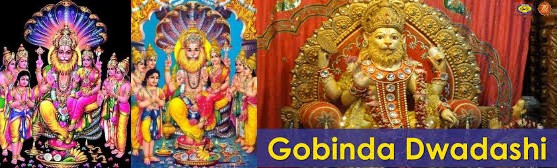
Gobinda Dwadashi is a revered day in the Vaishnava tradition, dedicated to Lord Vishnu in His compassionate form as Govinda. The term “Gobinda” signifies the protector of the universe and the uplifter of devotees. Observing this day with devotion is believed to remove spiritual impediments, cleanse past karmas, and bestow peace and prosperity upon the devotee and their family.
Scriptural traditions emphasize that worship performed on this day, especially in sacred places associated with Lord Jagannath, yields multiplied spiritual merit. When Gobinda Dwadashi coincides with a holy bath in the ocean at Puri, its sanctity is considered exceptionally powerful.
Swargadwar and Puri Mahodadhi: A Gateway to Liberation
Swargadwar holds a unique place in Hindu belief. Literally meaning “Gateway to Heaven,” Swargadwar is not only a cremation ground but also a sacred bathing ghat. It is believed that a dip in the Mahodadhi (the vast ocean of Puri) here purifies both body and soul.
Puri Mahodadhi is revered as Dakshin Samudra, and the ocean at Puri is considered a living witness to countless acts of devotion over centuries. Taking a Samudra Snan on Gobinda Dwadashi at this spot is believed to be equivalent to performing great penances and yajnas, making it accessible grace for the common devotee.
Rituals and Observance of Samudra Snan
Devotees traditionally begin the day before sunrise, observing cleanliness, restraint, and prayerful silence. After invoking Lord Vishnu and remembering their ancestors, they enter the sea with humility and devotion. The act of bathing is accompanied by chanting of Vishnu mantras and the sacred name of Jagannath, symbolizing surrender to the divine will.
This ritual bath is not merely physical—it represents washing away ego, sorrow, and worldly attachments, emerging with renewed faith and spiritual clarity.
Darshan of Prabhu Shri Jagannath: The Fulfilment of the Pilgrimage
After completing the Samudra Snan, devotees proceed for darshan at the sacred Jagannath Temple. Darshan of Prabhu Shri Jagannath, along with Balabhadra and Devi Subhadra, is considered the culmination of the observance.
It is believed that darshan after a holy bath enhances spiritual receptivity, allowing the devotee to experience the Lord’s boundless compassion more deeply. Many devotees offer prayers for universal welfare, family well-being, and liberation (moksha), while others seek strength to walk the righteous path.
Social, Cultural, and Spiritual Harmony
Gobinda Dwadashi Samudra Snan is not only a religious observance but also a living expression of India’s spiritual heritage. It brings together people from diverse backgrounds in collective devotion, reinforcing values of humility, purity, and service. The serene discipline observed during the rituals reflects the harmony between human life and the eternal rhythm of nature.

Conclusion
The observance of Gobinda Dwadashi Samudra Snan on 28 February 2026 at Swargadwar, Puri, followed by darshan of Prabhu Shri Jagannath, stands as a profound spiritual journey. It is a reminder that divine grace is accessible through sincere devotion, sacred tradition, and righteous conduct. For devotees, this holy day offers an opportunity to reconnect with faith, cleanse the soul, and walk forward with renewed spiritual strength under the compassionate gaze of Lord Jagannath.