
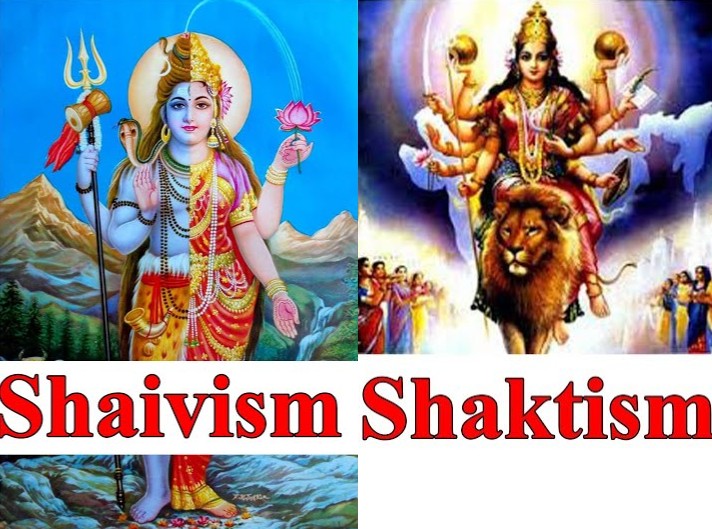
Unity of Faith: The Syncretic Traditions of Jagannath Worship in Odisha
By Lokanath Mishra
Introduction
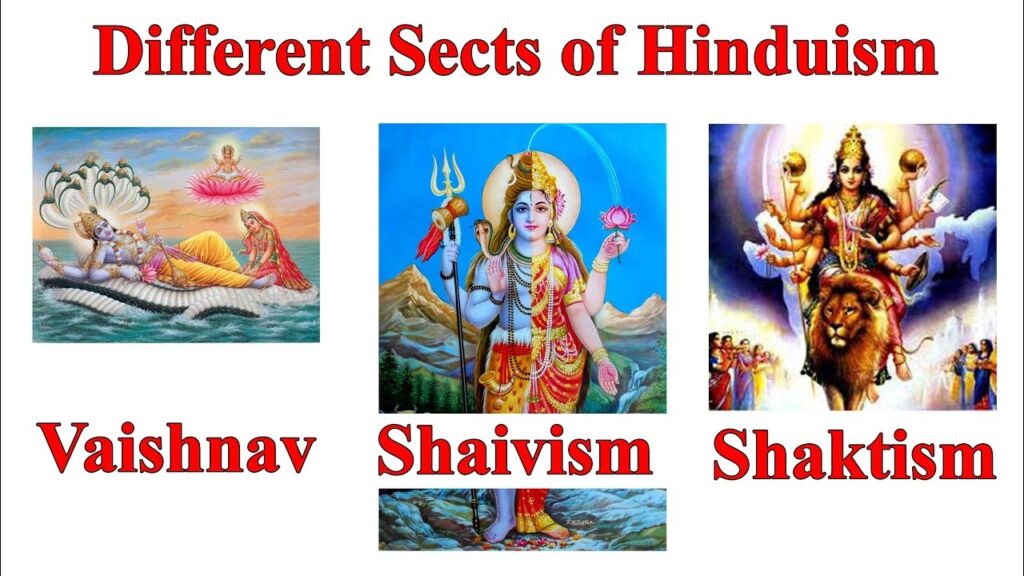
Odisha, a land of profound spiritual heritage, has long been a melting pot of diverse religious traditions. Among its most remarkable features is the harmonious coexistence of Vaishnavism, Shaivism, Shaktism, and indigenous tribal faiths, particularly visible in the Jagannath cult. This unique synthesis is not only evident in the grand Jagannath Temple at Puri but also reflected in the traditions of many Brahmin villages (locally called Shasan), where deities from multiple traditions are worshipped together.
One such example is Kasi Jagannath Pur, a Brahmin Shasan where Gopinath (Sri Krishna, a Vaishnav deity), Durga (the Shakti goddess), and Biseswar (a Shaivite form of Shiva) are worshipped jointly. This practice highlights the deeply rooted philosophy of inclusiveness in Odia spiritual culture, where different strands of Hindu belief are not in conflict but instead complement one another.
Syncretism in the Jagannath Cult

The Jagannath tradition in Puri epitomizes this integration at the highest level. It is not merely a Vaishnavite temple but a sacred complex where the core philosophies of Hinduism converge and coalesce with tribal and even Buddhist-Jain elements.
Vaishnavism
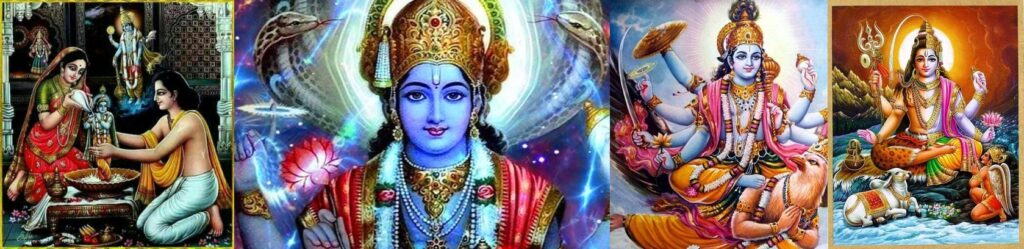
Jagannath is primarily revered as Vishnu, the Lord of the Universe (Jagat-natha). Devotees see him as Krishna, Rama, and Narayana, encompassing different avatars of Vishnu. The temple rituals, festivals like Rathayatra, and devotional practices are largely Vaishnava in character.
Shaktism
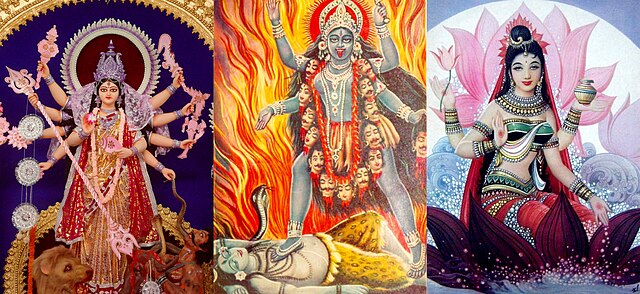
Shaktism holds an equally vital position in the temple. Subhadra, Jagannath’s sister, is venerated as Adyashakti Durga. The goddess Vimala (or Bimala), enshrined within the Jagannath Temple complex, is regarded as the temple’s presiding Shakta deity. Remarkably, the Mahaprasad offered to Jagannath only attains sanctity after being offered to Goddess Vimala, symbolizing her central role in temple rituals.
Shaivism
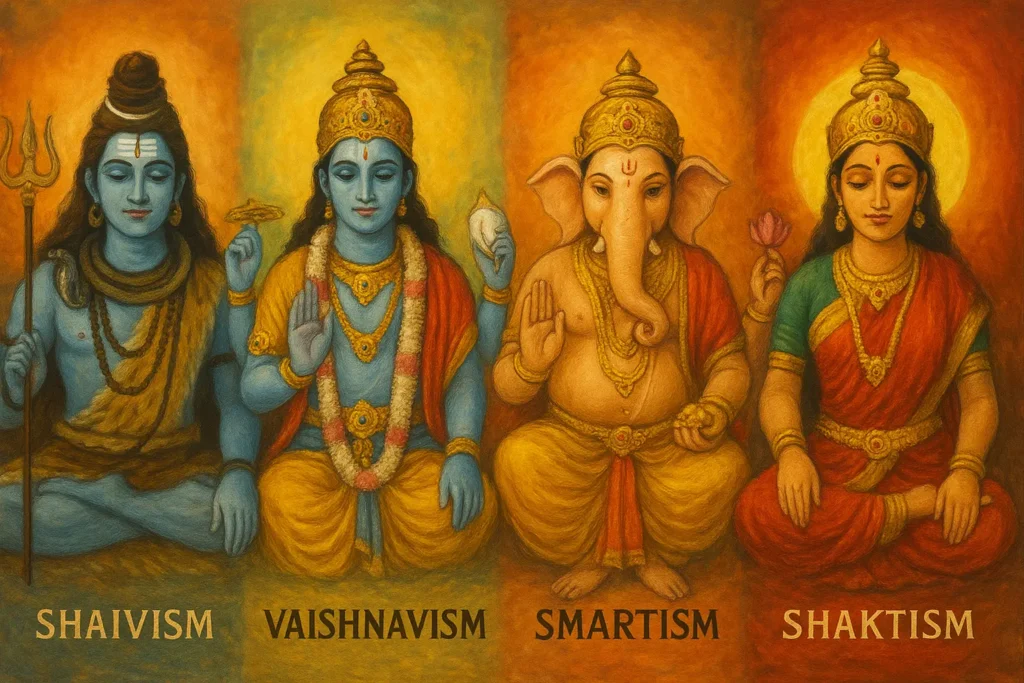
Shaivism, too, finds its representation through Balabhadra (Balaram), the elder brother of Jagannath, who is often considered a form of Shiva. The presence of 14 shrines dedicated to Shiva within the Jagannath temple complex further affirms the integration of Shaivite tradition.
Tribal Influences
The roots of Jagannath worship lie in the indigenous Sabara tribal practices of venerating wooden idols. This animistic tradition was absorbed into mainstream Hinduism, but the wooden images of Jagannath, Balabhadra, and Subhadra still retain their tribal symbolism. The distinctive, non-anthropomorphic forms of the triad represent this continuity of tribal heritage.
Other Influences
Buddhism and Jainism, which had strong historical presences in Odisha, also left their mark on Jagannath worship. Many scholars see the triad as symbolic of the Buddhist Triratna or Jain Tirthankaras. This multiplicity of interpretations underscores Jagannath’s universality.
Sacred Synthesis: Examples of Integration
1. The Triad of Jagannath, Balabhadra, and Subhadra
• Jagannath (Vishnu/Krishna), Balabhadra (Shiva), and Subhadra (Durga) collectively represent the union of Vaishnavism, Shaivism, and Shaktism.
2. Worship of Vimala
• The goddess Vimala, consort of Shiva, plays a crucial role in temple rituals. This shows how Shaktism is not a parallel tradition but woven into the very fabric of Jagannath worship.
3. Durgamadhab Worship
• The unique deity Durgamadhab (a fusion of Durga and Madhav, a form of Vishnu) reflects the blending of Shakta and Vaishnava beliefs.
4. Seven Shakti Shrines and Fourteen Shiva Shrines
• Within the Jagannath Temple complex itself, there exist seven shrines dedicated to Shakti goddesses and fourteen shrines to Shiva, alongside Jagannath. This spatial arrangement symbolizes the sanctity and interdependence of all three major traditions.
The Case of Brahmin Villages (Shasan)

The integration seen at Puri is also reflected in smaller religious ecosystems, especially in Brahmin Shasan villages of Odisha. These settlements were historically created to maintain ritual purity and temple traditions. Over time, they developed their own syncretic worship practices.
In Kasi Jagannath Pur, for instance, three deities—Gopinath (Sri Krishna), Durga, and Biseswar (Shiva)—are worshipped side by side. This co-worship echoes the Jagannath cult’s philosophy, where no single tradition is dominant but rather all coexist harmoniously, symbolizing the Odia worldview of unity in diversity.
Cultural and Social Impact
The Jagannath tradition is not just a theological framework; it has also shaped Odisha’s social and cultural life. By integrating diverse traditions, it fosters inclusivity and religious tolerance. The festivals of Jagannath, especially the Rathayatra, attract people across caste, creed, and community, reinforcing the principle of universal divinity.
This syncretic culture has also nurtured Odia literature, music, dance, and art, all of which celebrate Jagannath as a symbol of unity. The acceptance of multiple traditions within one temple complex represents a profound message: divinity transcends sectarian boundaries.
Conclusion
The Jagannath cult of Odisha stands as one of the most striking examples of religious synthesis in the world. It brings together Vaishnavism, Shaivism, Shaktism, tribal practices, and even Buddhist-Jain influences into a unified tradition of worship. The practices in Brahmin Shasan villages like Kasi Jagannath Pur mirror this philosophy at the grassroots level, demonstrating how deeply the spirit of inclusiveness runs in Odia culture.
In a world often marked by religious divisions, the Jagannath tradition of Odisha continues to embody harmony, tolerance, and the eternal truth that all paths ultimately lead to the same divine reality.
The Divine Journey of Lokanath Mishra
The Journey of Navaratri – A Devotee’s Story
Dussehra : A Celebration of the Triumph of Good Over Evil