

Jahni Osha & Bali Osha Pujas
By Lokanath Mishra
With the arrival of the month of Bhadraba and the passing of Bhadra Amavasya (Bhoda), one festival after another begins. Among these, Khudurukuni Osha is observed by unmarried girls on every Sunday of Bhadraba, praying to Goddess Sarba Mangala for the long life of their brothers. Soon after, with the beginning of Ashwina month, until Kumar Purnima, girls also observe the Jahni Osha Vrata.
In Ganjam district, young maidens can be seen actively performing this ritual with great devotion. During the entire month, they refrain from eating non-vegetarian food, onions, and garlic. Similarly, in Puri, the young daughters of the Sevayats (servitors of Lord Jagannath), called Neta Pilas, observe a similar ritual called Bali Osha, in the same way as Jahni Osha.
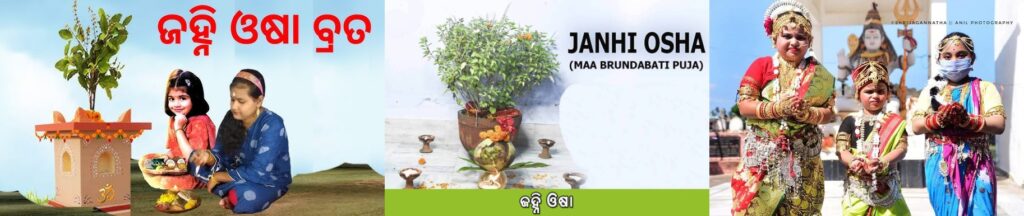
Jahni Osha Vrata
• Period: From Bhadraba Purnima to Ashwina Purnima
• Who observes: Unmarried girls
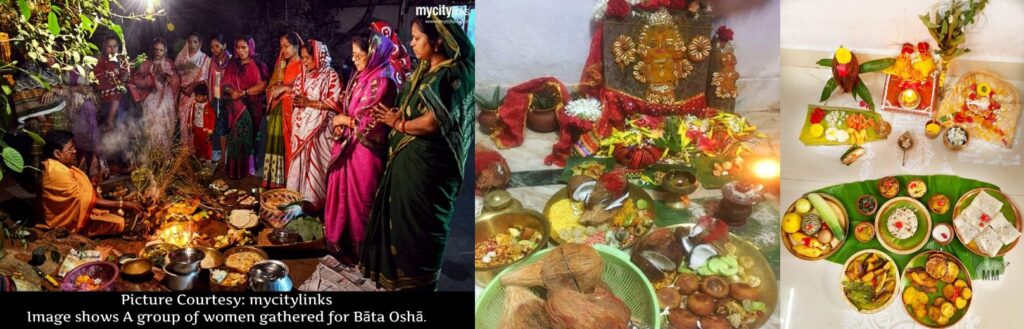
The ritual begins on the first day of Ashwina and continues until Kumar Purnima. Each afternoon, after the Jahni flower blooms, girls collect the flowers and worship Vrindavati at the base of the Tulsi plant. Offerings include puffed rice (lia), sugarcane, bananas, cucumbers, and other fruits.
The girls decorate a small altar with flowers, place a sacred pot (kalash), and read the Jahni Osha scripture. Songs, hymns, and playful games like Puchi and Daudidia are also part of the ritual, which makes it both devotional and recreational. It is believed that observing this vrata grants freedom from leprosy, ensures offspring, and brings overall prosperity.
If a girl cannot perform the ritual for the entire month, she may still observe it for 15 days or even 5 days before Kumar Purnima.
Legends of Jahni Osha
The main scripture associated with this ritual is “Jahni Osha Katha” written by Dinakrishna Das, divided into five cantos. Each canto narrates a legend from different regions — Maharashtra, Odra (Odisha), Karnataka, Virat Desh, and Saurashtra — explaining the significance, procedures, and benefits of the ritual.
1. Maharashtra Legend: A woman named Jambuvati mocked the ritual, saying girls observed it only to eat puffed rice. Goddess Vrindavati grew angry, and her son was bitten by a snake. Only after sincere prayers and promises did the goddess restore his life.
2. Odisha Legend: A pious woman, Sukanti, had a daughter, Radhiki, who suffered from leprosy. Upon learning that Jahni Osha could cure the disease, she vowed to observe it. Later, when she neglected it, her five sons mysteriously disappeared. Vrindavati appeared in a dream and demanded offerings. Once Radhiki performed the ritual, her brothers were restored.
3. Karnataka Legend: A girl persuaded her mother, Priyavati, to arrange offerings so she could observe the ritual. The mother happily supported her, and the ritual brought prosperity to the family.
4. Virat Desh Legend: Padmavati, wife of Dhaneswar, forbade her daughters from observing Jahni Osha. Vrindavati appeared in her dream and warned that if the daughters did not perform the ritual, their only brother would die within a week. Padmavati immediately allowed them to observe the vrata, thus saving her son.
5. Saurashtra Legend: Plucking Jahni flowers was forbidden, but the princess disobeyed. As a result, her hands became crippled. In despair, her mother prayed, and Goddess Vrindavati, disguised as a poor Brahmin woman, provided medicine and instructed them to perform Jahni Osha. The girl’s hands were healed after worship.
Songs of Jahni Osha
During the evenings, girls sing traditional songs while offering Jahni flowers to the goddess. These folk songs describe devotion, playful requests for rice, and blessings for brothers’ longevity.
Bali Osha in Puri
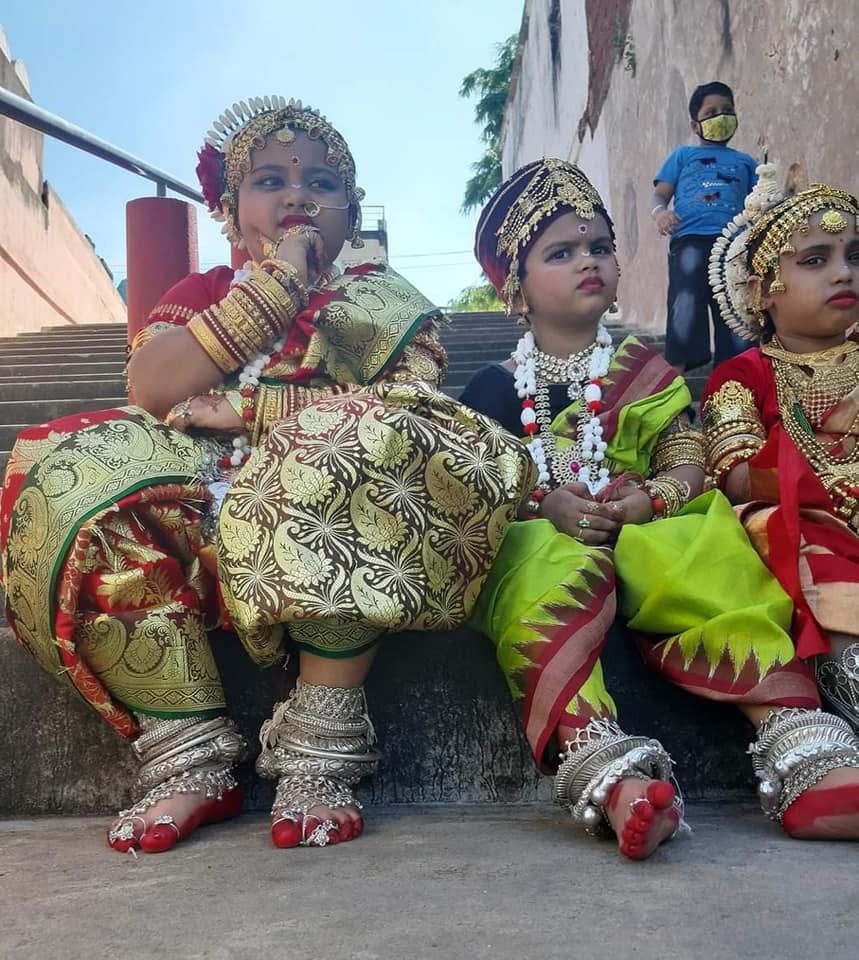
Similar to Jahni Osha, Bali Osha is performed by the young daughters of Jagannath temple servitors near Markanda Pushkarini (holy tank). It is dedicated to Lord Shiva and Goddess Parvati. The girls pray for good husbands and observe rituals with songs specific to Bali Osha.
A unique feature here is the “Neta Pila” tradition, where young girls lead the rituals and celebrations, making Bali Osha an important cultural highlight of Puri.
ସେପ୍ଟେମ୍ବର-ଅକ୍ଟୋବର ମାସରେ ଓଡ଼ିଶାର ଖ୍ୟାତିପ୍ରାପ୍ତ ଉପବାସ ଏବଂ ରିତି “ଜହ୍ନି ଓଷା” ଏବଂ “ବାଲି ଓଷା” ଏକ ଅଧ୍ୟାତ୍ମିକ ସଂସ୍କୃତିର ଲାଗି ସ୍ୱତନ୍ତ୍ର ଅଙ୍ଗ। ଏହି ପୁଜା ମୁଖ୍ୟତଃ ଅବିବାହିତ କନ୍ୟାମାନେ ଭାଇର ଦୀର୍ଘାୟୁ ଏବଂ ସ୍ଵାସ୍ତ୍ୟ -ସମୃଦ୍ଧି ପାଇଁ କରନ୍ତି।
ଜହ୍ନି ଓଷା ଉପବାସ
କେତେ ଦିନ ପାଳନ: ଭାଦ୍ରବ ପୂର୍ଣିମାରୁ ଅଶ୍ୱିନ ପୂର୍ଣିମା (କୁମାର ପୂର୍ଣିମା) ପର୍ଯ୍ୟନ୍ତ ଅବିବାହିତ କନ୍ୟାମାନେ ବ୍ରତ ରଖନ୍ତି।
ରିତିର ପ୍ରଥା: ପ୍ରତି ଦିନ ସକାଳେ, ଜହ୍ନି ଫୁଲ ଚଉରାରେ କଦଳୀ, ଲିଆ, ଆଦି ପୂଜା ସାମଗ୍ରୀ ନେଇ ତୁଳସୀ ଚୂରା ତଳେ ଭୃନ୍ଦାବତୀଙ୍କୁ ଉପାସନା କରି ଶ୍ରୀଫଳ-କଳଶ ରଖି ସେଟକରି ରିତିମାନ୍ୟ ସୁନ୍ଦର ମଣ୍ଡପ ସଜାଇ ପୂଜା କରାଯାଏ। ଗୀତ ବୋଲିବା ବା ପଢିବା ସହ କିଛି ଖେଳ, ଗୀତ–ପୁଚି ଓ ଦୌଡିଡିଆ, ଏହିପରି ମଜାଳିଆ ଖେଳ ହୋଇଥାଏ।
ଧାର୍ମିକ ଉପକ୍ରମ: “ଜହ୍ନି ଓଷା କଥା” (ଦୀନକୃଷ୍ଣ ଦାସଙ୍କ ) ପଢାଯାଏ, ଯେଉଁଥିରେ ମହାରାଷ୍ଟ୍ର, ଓଡ଼ିଶା, କର୍ଣ୍ଣାଟକ, ବିରାଟ ଦେଶ, ଓ ସୌରାଷ୍ଟ୍ର ଦେଶର ଗୁଳିକଥା ଓ ବ୍ରତ ମହତ୍ୱ ବର୍ଣ୍ଣିତ।
ଉପବାସ ଉଦ୍ଦେଶ୍ୟ : ଏହି ଉପବାସ କଲେ କଷ୍ଟଦାୟି ରୋଗ ଭଲ ହୁଏ ଓ ଉତ୍ତମ ସନ୍ତାନ, ଦୀର୍ଘାୟୁ, ସମୃଦ୍ଧି ଏବଂ କୁସଂକଟ ମୁକ୍ତି ମିଳେ ବୋଲି ବିଶ୍ୱାସ।
ଗୀତ–ଖେଳ: ଏହି ଉପବାସରେ ଗାଁ ଦାଣ୍ଡ, ବାଦ୍ୟ, ଦେଶୀ ଗୀତ ଓ ହସି–ସାନ୍ନିଧ୍ୟର ସଂଯୋଗ ଦେଖିବାକୁ ମିଳେ।
ବାଲି ଓଷା ପୁରୀରେ
ସ୍ୱତନ୍ତ୍ର ରିତି: ପୁରୀ ର ଏହି ରିତି “ବାଲି ଓଷା” ଭାବରେ ଜଗନ୍ନାଥ ମନ୍ଦିରର ସେବାୟତମାନଙ୍କ ଜନ୍ୟ ନେତା ପିଲାମାନେ ପାଳନ କରନ୍ତି, ଏହା ମହାଦେବ ଶିବ ଓ ପାର୍ବତୀଙ୍କୁ ସମର୍ପିତ।
ଉଦ୍ଦେଶ୍ୟ: ଏଥିରେ କନ୍ୟାମାନେ ଉତ୍ତମ ପତି ଏବଂ ଭବିଷ୍ୟତ ସୁଖ ଉପାୟ ପାଇଁ ଉପବାସ ରଖନ୍ତି।
ନେତା ପିଲା ପ୍ରଥା : ଅନ୍ୟଜଣଙ୍କୁ ନେତୃତ୍ୱ କରି ଏହି ରିତି ସୁନ୍ଦର ଭାବେ ପାଳନ କରାଯାଏ।
ଦୌର୍ଯ୍ୟ, ଉତ୍ସବ ଏବଂ ଧାର୍ମିକ ଭାବ
ଏହି ମାସରେ ଓଡ଼ିଆ କନ୍ୟାମାନେ ଶୁଧ୍ଧ ଉପବାସ, ପ୍ରାଣ–ସମ୍ପର୍କ, ସଂସ୍କୃତି ଓ ସମୃଦ୍ଧି ପାଇଁ ନିର୍ବିଗ୍ନ ଭାବେ ଏହି ପାବନ ଉପବାସ କରନ୍ତି।