
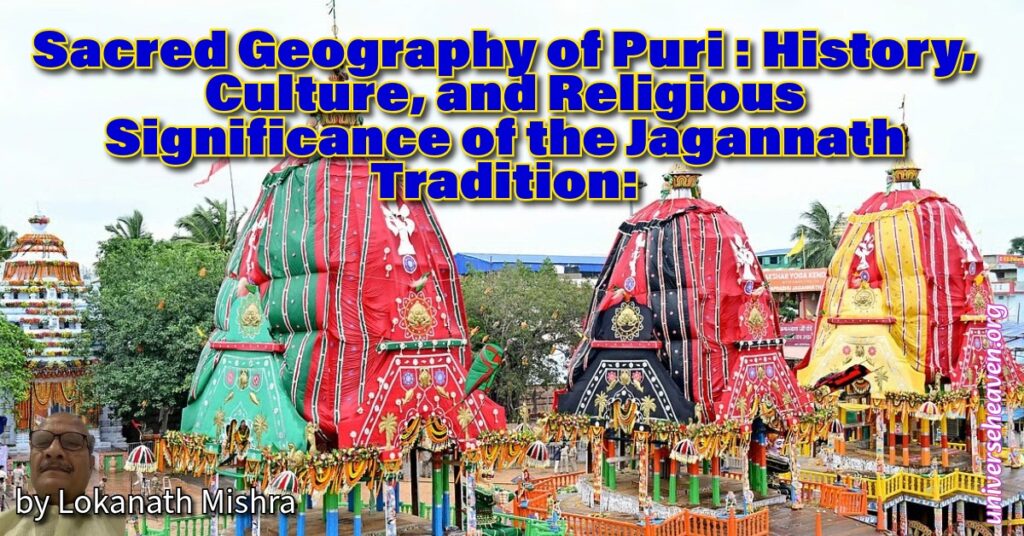
Sacred Geography of Puri : History, Culture, and Religious Significance of the Jagannath Tradition:
By Lokanath Mishra, Jenamath Lane, Puri:
Introduction
The sacred town of Puri, one of the चार धाम (Char Dham) pilgrimage sites of Hinduism, represents a living confluence of history, devotion, ritual, and community life. At the heart of this sacred geography stands the Shri Jagannath Temple, a monumental centre of Vaishnavite worship that has shaped the religious and cultural identity of Odisha for centuries. Surrounding the temple is a dense network of sahis (traditional neighborhoods), mathas (monastic institutions), temples, sacred tanks, and ritual spaces, each contributing to a vibrant and continuous sacred tradition.
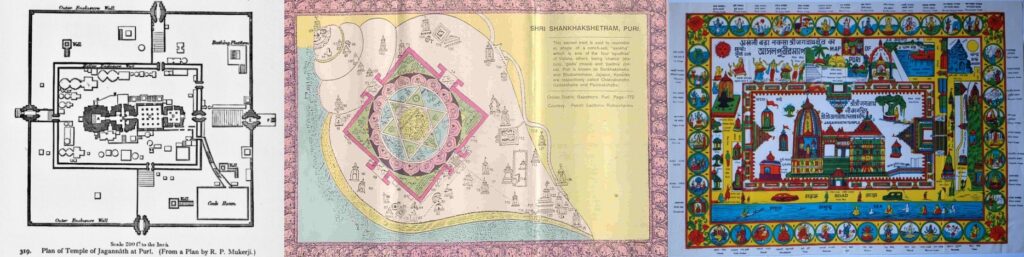
This article explores the historical evolution, cultural richness, and religious importance of these interconnected sites, forming a sacred landscape unique to Puri.
The Sacred Core: Shri Jagannath Temple and Singhadwara
The Shri Jagannath Temple, built in the 12th century under King Anantavarman Chodaganga Deva, is not merely an architectural marvel but a dynamic centre of ritual practice. The presiding deities—Lord Jagannath, Balabhadra, and Subhadra—symbolize a synthesis of tribal, Vaishnavite, and pan-Indian religious traditions.
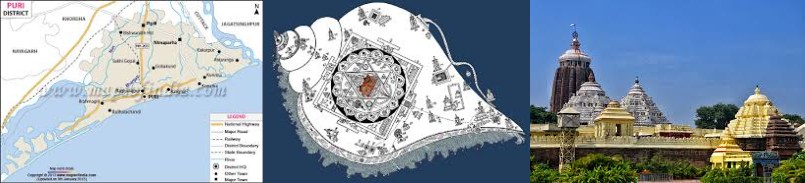
The ସିଂହଦ୍ୱାର (Singhadwara), or Lion Gate, serves as the principal entrance to the temple. It is both a physical and symbolic threshold, where pilgrims transition from the mundane to the sacred. Nearby institutions such as Balaram Kot, Emar Math, Radhaballabh Math, and Dolabedi reflect centuries of monastic scholarship, ritual service, and socio-religious organization. These mathas historically played crucial roles in temple administration, preservation of scriptures, and accommodation of pilgrims.
Bali Sahi: A Confluence of Shakti and Bhakti Traditions
ବାଲି ସାହି (Bali Sahi) is one of the most spiritually vibrant neighborhoods of Puri, embodying a harmonious blend of Shakta, Shaiva, and Vaishnavite traditions. Temples like Dakshina Kali and Shyama Kali represent the fierce yet protective aspects of the Divine Mother, while sacred sites such as Swetaganga serve as ritual bathing tanks believed to purify devotees.
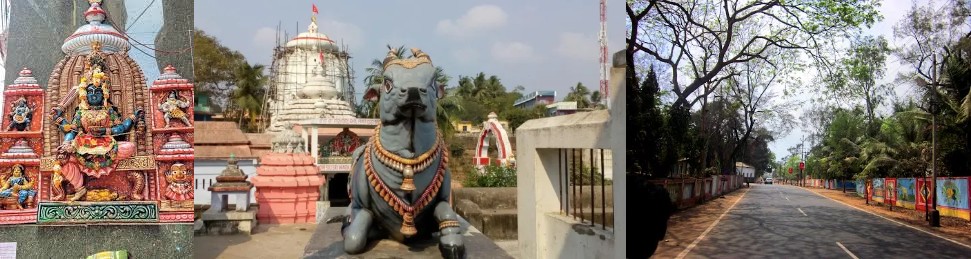
Mathas like Gangamata Math and Siddha Bakula Math are deeply associated with the Bhakti movement and the legacy of Sri Chaitanya. Siddha Bakula, in particular, is revered as the meditation site of Haridas Thakur. The presence of multiple mathas and shrines in this locality highlights Puri’s pluralistic spiritual ethos.
Markandeswar Sahi: Mythology and Sacred Ecologyମାର୍କଣ୍ଡେଶ୍ୱର ସାହି is steeped in mythological significance. The Markandeshwar Temple, associated with the sage Markandeya, is surrounded by sacred elements such as the Markandeya Pushkarini (tank), Aghora Vat (a sacred banyan tree), and Saptamatrika shrines.
The presence of Bhagabati Kot, Alei Thakurani, Mangala Thakurani, and Masani Chandi temples reflects the strong influence of folk and Tantric traditions. These shrines represent protective deities of the locality, emphasizing the integration of village goddess worship into the larger Jagannath cult.
Expanding Bali Sahi: Monastic and Philosophical Heritage
Another segment of Bali Sahi houses important monastic centres such as Ramanuja Kot, Kabir Choura Ashram, and the Shankaracharya Math (Govardhan Peeth). These institutions signify the philosophical diversity of Puri, representing Sri Vaishnavism, the teachings of Kabir, and Advaita Vedanta respectively.
Swargadwara, the sacred cremation ground by the sea, holds profound eschatological significance. It is believed that cremation here ensures liberation (moksha), reinforcing Puri’s identity as a gateway between life and the divine.
Chakratirtha Marg: Sacred Coastal Axis
The ଚକ୍ରତୀର୍ଥ ମାର୍ଗ (Chakratirtha Marg) connects terrestrial devotion with the cosmic vastness of the sea, known as Mahodadhi. Temples like Bedi Hanuman and Chakra Narasimha are associated with protective and mythological narratives linked to Lord Jagannath.
Chakratirtha itself is considered a sacred bathing site, where the Sudarshana Chakra is believed to have manifested. The rhythmic presence of the sea adds a meditative dimension to this sacred corridor.
Matiapada and Gundicha Temple: The Ritual Axis of Rath Yatra
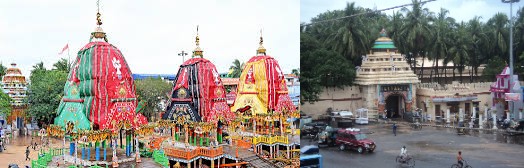
ମାଟିଆପଡ଼ା is closely associated with the Rath Yatra, as it houses the Gundicha Temple—the destination of the annual chariot procession. This temple symbolizes the garden retreat of Lord Jagannath.
Landmarks such as Atharanala (the historic bridge), Indradyumna Tank, and Alamchandi Temple hold both historical and ritual significance. The area forms a ceremonial axis, connecting the main temple with the Gundicha Temple during the Rath Yatra.
Balagandi: The Ritual Midpoint
Balagandi serves as an important halt during the Rath Yatra. The Mausima Temple, dedicated to Ardhasini Devi, is where the deities are offered poda pitha, a traditional delicacy.
Narendra Pushkarini is the site of the Chandan Yatra, a water festival involving elaborately decorated boats. The presence of multiple temples and sahis like Kundheibenta and Daitapada reflects the strong involvement of local communities in ritual performances.
Gaudabada Sahi: Vaishnavite Devotion and Sacred Continuity
ଗୌଡବାଡ ସାହି is a centre of Vaishnavite devotion, with temples like Tota Gopinath—associated with Sri Chaitanya—holding immense spiritual importance. Shrines such as Yameshwar and Harachandi represent Shaiva and Shakta traditions, reinforcing the syncretic character of Puri’s sacred landscape.
Lokanath Marg: Shaiva Traditions in Puri
The ଲୋକନାଥ ମାର୍ଗ is dominated by Shaiva worship, with the Lokanath Temple being a प्रमुख centre dedicated to Lord Shiva. Unique rituals, such as the submerged Shiva linga, attract devotees year-round.
Other temples like Omkareshwar and Shankareswar contribute to the Shaiva presence in a predominantly Jagannath-centric town, illustrating theological inclusivity.
Dolamandap Sahi:
Ritual and Ascetic Traditionsଦୋଳମଣ୍ଡପ ସାହି is associated with Dol Yatra (Holi) festivities and houses sacred spaces like Narayani Temple and Angira Ashram. These sites emphasize ascetic practices, seasonal rituals, and localized forms of devotion.
Conclusion
The sacred landscape of Puri is not confined to the walls of the Jagannath Temple but extends across an intricate network of neighborhoods, shrines, tanks, and monasteries. Each site—whether grand or modest—plays a vital role in sustaining a continuous tradition of devotion, ritual, and community life.
This interconnected sacred geography reflects a unique synthesis of Shaiva, Shakta, and Vaishnavite traditions, enriched by folk practices and philosophical diversity. Together, they form a living heritage that continues to inspire millions of devotees and scholars alike.
✿❣️༒ Jai Jagannath ༒❣️✿