
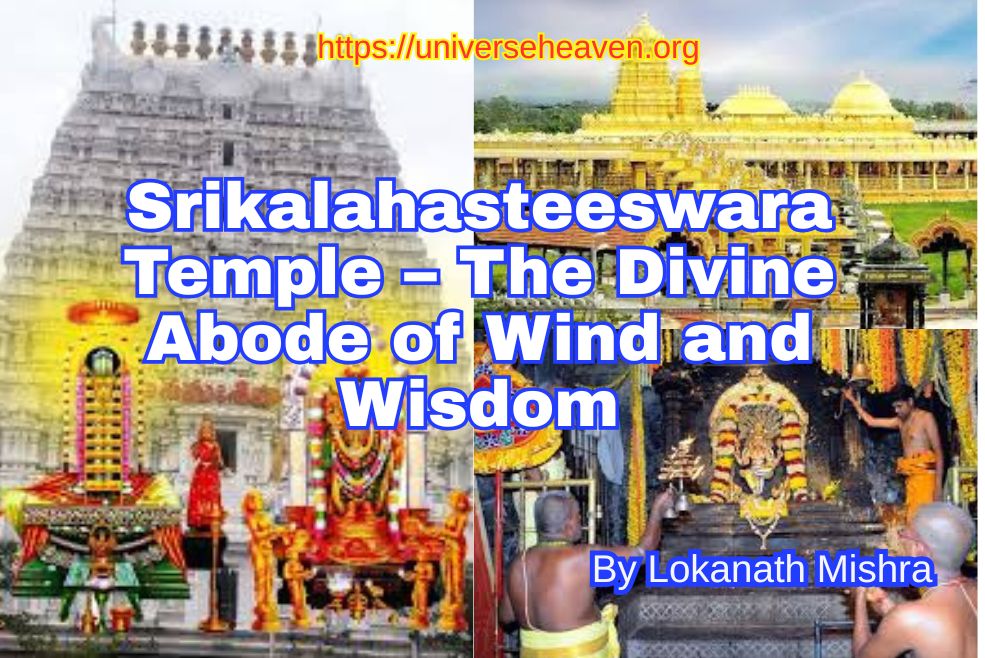
Srikalahasteeswara Temple – The Divine Abode of Wind and Wisdom
By Lokanath Mishra
Nestled amidst the sacred hills of Srikalahasti in the Tirupati district of Andhra Pradesh stands one of South India’s most venerated shrines — the Srikalahasteeswara Temple. Revered as the Kailash of the South (Dakshina Kailasam), this ancient temple celebrates Lord Shiva in his elemental form as Vayu, the life-giving wind. Every whisper of breeze that touches this temple is believed to carry the blessings of the divine, making it a sacred confluence of nature, faith, and timeless devotion.

A Temple Where the Wind Worships
Among the five sacred Pancha Bhoota Sthalams — where Lord Shiva manifests as the five cosmic elements — Srikalahasti represents Vayu, the air. According to legend, the Wind God (Vayu Deva) performed intense penance here for thousands of years, offering prayers to a camphor-made Shivalinga. Moved by his devotion, Lord Shiva appeared before him and granted three boons: to be omnipresent as air, to sustain life within every being, and to be eternally worshipped in this holy Lingam. Thus, the Vayu Lingam was born — a divine emblem of motion, breath, and life itself.

The Story of Parvati’s Penance
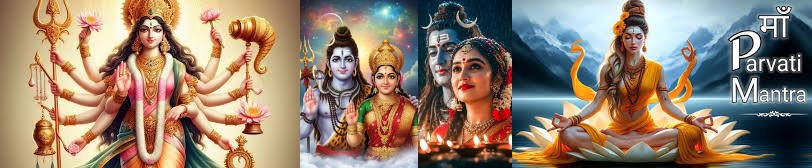
In another sacred tale, Goddess Parvati sought to learn the esoteric Panchakshari Mantra from Lord Shiva. When her approach displeased him, Shiva cursed her to descend to Earth in human form. The Goddess, humbled yet determined, performed penance at Srikalahasti. Her unwavering devotion pleased Shiva, who forgave her, blessed her with an even more radiant divine form, and revealed to her the secret of spiritual wisdom. She is worshipped here as Sri Gnana Prasunambika Devi, the embodiment of divine knowledge and compassion — an eternal reminder that humility and faith can transform even a curse into a path to enlightenment.
The Miracle of the Camphor Lingam
The Shivalinga at Srikalahasti is unique — believed to be self-manifested (Swayambhu) and made entirely of camphor. Despite the flammable nature of the substance, it miraculously never catches fire, symbolizing the victory of divine essence over material reality. The Lingam’s tall, cylindrical form resembles an elephant’s trunk — a sacred shape representing strength and grace. Countless oil lamps flicker around it, casting a golden glow that fills the sanctum with an otherworldly radiance. It is said that each flame mirrors the breath of the cosmos itself — the eternal rhythm of creation and dissolution.

Legends of Devotion and Redemption
The temple is steeped in stories of divine grace and human devotion.
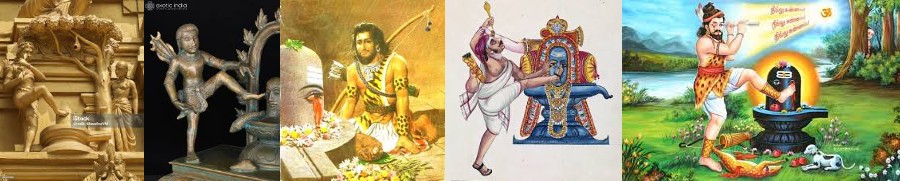
One of the most inspiring is that of Kannappa Nayanar, a tribal hunter who became one of Shiva’s most beloved devotees. Unaware of formal rituals, Kannappa offered what he could — flowers from the forest, water from his mouth, and meat from his hunt. When he saw blood flowing from the Lord’s eye, he unhesitatingly plucked out his own to stop it. As he prepared to sacrifice his second eye, Lord Shiva stopped him, restored his sight, and granted him moksha — eternal liberation. This profound act of unconditional devotion remains one of the most moving episodes in Hindu lore.
Many others, including cursed souls like Ghanakala, and celestial beings like Indra, Mayura, and Chandra, are said to have attained redemption here through penance and prayer, reinforcing the temple’s reputation as a sacred ground for transformation and salvation.
The Architectural Grandeur
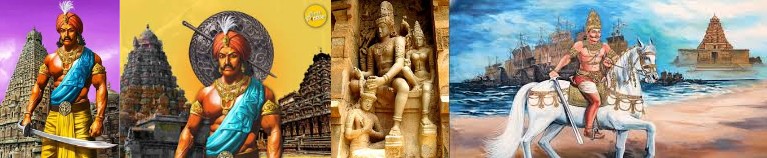
The temple, originally constructed in the 5th century CE, was later expanded and adorned by successive dynasties — notably the Cholas, Reddis, and the Vijayanagara kings. Rajendra Chola I laid the foundation for the present structure, while the illustrious emperor Krishnadevaraya of Vijayanagara built the majestic 120-foot Rajagopuram (gateway tower) and the famed hundred-pillared hall in 1516 CE.
Although the gopuram tragically collapsed in 2010, it was meticulously reconstructed in 2017, restoring the temple’s grandeur. The architecture follows the Dravidian style, blending intricate stone carvings with cosmic symbolism. Within the temple complex lie sacred tanks — Surya Pushkarini and Chandra Pushkarini — whose waters are said to purify the soul.
A Center of Cosmic Energy
Srikalahasti is not just a place of worship — it is a living symbol of the five elements uniting in divine balance. The temple remains open even during solar and lunar eclipses, unlike most others in India, signifying that the power of Vayu — the breath of life — is constant and unceasing, beyond the influence of cosmic shadows.
It is also renowned as the Rahu–Ketu Kshetra, where devotees perform special rituals to overcome planetary afflictions and karmic obstacles. Every year, Maha Shivaratri transforms Srikalahasti into a sea of devotion, as thousands gather to seek Lord Shiva’s blessings, accompanied by chanting, music, and the timeless rhythm of faith.

The Divine Message of Srikalahasti
The essence of Srikalahasti lies not merely in its ancient stones or mythic legends — but in the truth it breathes into every heart:
that God dwells within the breath of every being. Just as air sustains life invisibly, so too does divine grace permeate the universe, unseen yet omnipresent. The temple teaches that devotion need not be elaborate — it must be sincere. Whether one is a scholar, a queen, or a humble hunter like Kannappa, what matters is the purity of intent and the surrender of the heart.
Standing before the Vayu Lingam, one feels the eternal message of Shiva resound through the air:
“As long as you breathe, I am within you. Realize me, and you shall know freedom.”
Conclusion
The Srikalahasteeswara Temple is more than a monument of stone — it is a beacon of faith that bridges the material and the spiritual, the seen and the unseen. It reminds humanity that every breath is sacred, every act of love divine, and every step toward truth a movement toward the Eternal. In the silent gusts that pass through its corridors, one can almost hear the whisper of Shiva — the wind of consciousness — calling each soul home.
A Story of Dvapar Yuga in Prose ( part-16)
A Story of Dvapar Yuga in Prose (Part- 12-C)
The Sacred Tradition of Gosani Jatra in Puri (Part–2)
Pingback: The Magical Well of Lord Ganesha — The Story of Kanipakam Temple - UniverseHeaven
Pingback: The Story of Lord Venkateswara – The Eternal Protector of Tirumala - UniverseHeaven