

The Strength of Upasana
( A Novel of Sacrifice, Time, and the Quiet Power of a Mother)
By Lokanath Mishra
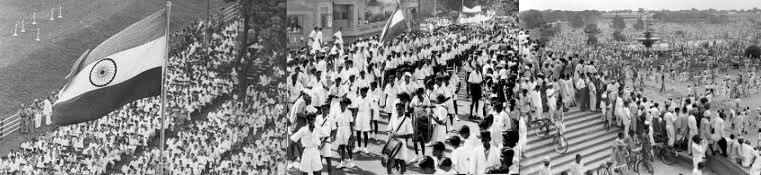
The rain fell softly over the red-tiled roofs of the small town in eastern India sometime in the early years after independence. The country itself was young, uncertain of its future, and so were many families trying to rebuild their lives after years of hardship. In a modest house with mud walls and a small courtyard stood a neem tree whose shade touched the doorway every afternoon. Inside that house lived a young woman named Upasana and her husband Jaga.

Jaga was a quiet man with kind eyes and a gentle voice. Fate, however, had not been generous to his body. Since childhood one of his legs had been weak, and he walked with the help of a wooden stick. Every step he took carried a slight drag, a reminder of the illness that had shaped his life. Despite this, he worked whenever he could at a local grain merchant’s shop, writing numbers in thick ledgers and helping with accounts. The work was tiring, and sometimes the pain in his leg forced him to sit longer than others. Yet he never complained.
Upasana had married him knowing all this. People had warned her family that life with a handicapped man would be difficult. But she had seen something deeper in Jaga—an honesty and kindness that many stronger men lacked. Their home was not rich, but it was full of respect and quiet understanding. They were having few cultivated lands nearby the town.
Not long after their marriage, the first child arrived. It was a girl. The midwife wrapped the baby in a soft cloth and placed her in Upasana’s arms. Jaga looked at his daughter with wonder rather than disappointment, though some neighbors outside whispered that a son would have been better. Upasana did not care about their whispers. She looked at the tiny face sleeping against her chest and felt the beginning of a love so deep that it frightened her.
Years passed, and the house slowly filled with more voices. One daughter became two, then three, then four, and finally five. By the time the youngest child was born, sometime near the end of the 1950s, Upasana’s days had become an endless circle of cooking, washing, caring, and worrying. Raising five daughters was not easy for any family, but for a household with little income it was especially difficult.

Jaga tried to do his part, though his body often limited him. Some days he returned home exhausted after walking to work, leaning heavily on his stick. Upasana would quickly bring him water and gently massage his leg while pretending she herself was not tired. She knew he felt guilty that he could not provide more. To ease that burden, she quietly decided to work outside the home.
Her mornings began before sunrise. While the town still slept, she lit the stove and prepared food for the family. After the girls left for school she walked to a nearby school building where she washed utensils and swept classrooms. By afternoon she returned home and stitched clothes for neighbors who paid her a few coins. Late at night, when the girls were asleep and the lantern burned low, she sat on the floor rolling incense sticks for a factory. The smell of sandalwood filled the room as her fingers moved tirelessly.

Often there was not enough food for everyone. On those nights she served the girls first. If someone asked why she was not eating, she simply said she had eaten earlier. The truth was that many nights she went to bed hungry. She never allowed the girls to see the full weight of her exhaustion. Whenever they ran into her arms shouting “Ma!”, she smiled as if her body carried no pain at all.
The girls grew up watching their parents carefully. Their father might have walked slowly, but his mind was sharp and disciplined. Every evening he gathered them near the dim light of a kerosene lamp and taught them lessons from their schoolbooks. He told them that knowledge was the greatest treasure a person could possess. Upasana listened quietly from the doorway, feeling proud that despite their poverty their daughters were learning to stand strong.
The town around them slowly changed as the years moved forward. New schools opened, roads improved, and opportunities slowly appeared for women. Yet the old thinking of many people remained the same. Some neighbors still shook their heads when they spoke about Upasana’s family. They pitied her for having five daughters and wondered how she would ever arrange their marriages.
Upasana heard those comments many times. Instead of arguing, she simply worked harder and encouraged her daughters to study. She believed that education would give them dignity and choices that she herself never had. The girls responded to that faith with determination. They studied late into the night and helped their mother with housework during the day.
As the years rolled by, the girls blossomed into young women with different personalities but the same quiet strength that their mother carried. Anita, the eldest, was calm and dependable. Sarita loved books and often read stories aloud to her sisters. Kamala was bold and outspoken, never afraid to defend someone weaker than herself. Meera had gentle hands that could turn ordinary paper into beautiful drawings. Lata, the youngest, asked endless questions about the world.
When Anita reached marriageable age, Upasana began to worry. Weddings required money, and money was something their family rarely had. But life sometimes surprises those who struggle the most. A kind schoolteacher from a nearby town had heard about Anita’s good character and education. When his family came to visit, they were impressed not by wealth but by the dignity of the household and the respect the daughters showed their parents.

The wedding was simple but full of warmth. Neighbors helped decorate the courtyard with marigold flowers, and borrowed utensils filled the kitchen. Upasana watched her eldest daughter dressed as a bride, her eyes shining with both happiness and nervousness. When the moment came for Anita to leave with her husband, Upasana hugged her tightly. Her heart ached with the strange mixture of pride and sorrow that every mother feels when a daughter begins a new life.
Soon after Anita settled happily into her new home, Sarita’s marriage was arranged with a young nurse working in a district hospital. Sarita had always dreamed of helping people, and the marriage allowed her to continue working alongside her husband. Upasana felt a quiet joy seeing that her daughters were not only finding families but also meaningful work.
Kamala’s wedding was lively and filled with laughter because her bold personality matched that of the young government clerk she married. Their conversations were full of teasing and playful arguments even during the wedding ceremonies. Meera married an art teacher who admired her gentle creativity, and together they opened a small school for children who loved drawing and music. Lata, the youngest, studied law longer than her sisters had studied their subjects, and when she finally married a thoughtful lawyer from the city, Upasana felt both astonished and proud that the little girl who once asked endless questions had grown into a confident woman who could stand in court and speak for others.
Though the daughters left one by one, they never truly left their mother’s life. They visited often, bringing grandchildren who filled the small house with noise once again. Jaga spent many evenings sitting under the neem tree watching the children run in circles around the courtyard. His face carried the quiet satisfaction of a man who knew that despite his limitations he had helped build a strong family.

One winter morning, after years of gentle struggle, Jaga passed away peacefully in his sleep. The daughters gathered around their mother, expecting her to break under the weight of grief. Instead, Upasana wiped her tears and told them that their father had given them the greatest gift he could—values and love—and that they must honor him by living good lives. Her calm strength in that moment remained etched in their memories forever.
Time continued its slow march. The grandchildren grew taller and noisier. One afternoon a little boy named Bhola was digging a large hole in the backyard while Upasana watched from a chair near the neem tree. Curious, she asked him what he was doing. With a sad face he explained that he was burying his goldfish. Upasana laughed gently and said the hole seemed far too big for such a small creature. Bhola looked up and replied with complete seriousness that the hole had to be big because the goldfish was inside her cat. For a moment she stared at him in disbelief, and then she laughed so hard that tears came to her eyes, the kind of laughter that only children can create.
Many more years slipped by quietly. The daughters built their own families and careers but remained deeply connected to the woman who had shaped their lives. When Upasana finally reached ninety years of age, they decided to celebrate the day together in the old house where everything had begun. The courtyard was decorated with flowers, and a cake waited on the table surrounded by smiling grandchildren and great-grandchildren.

Upasana, now fragile and silver-haired, looked around at the five women standing beside her. Each one carried traces of the little girl she once held in her arms, yet each had also become a mother in her own right. Memories flooded her mind—long nights of work, empty plates she pretended not to notice, quiet tears shed when the house slept.
Her voice trembled as she spoke softly to them. She said that she had never possessed much wealth or comfort to give them, but she had given them her entire life. Seeing them standing there together, strong and happy, made every hardship worth it.
The daughters embraced her tightly, knowing in their hearts that this moment was precious because time does not grant many such gatherings. As the candles flickered gently in the evening air, they realized that the greatest love story they had ever known was not written in novels or shown in films. It had unfolded quietly in the small house beneath the neem tree, in the tireless work of a mother who sacrificed everything so her daughters could grow into the women they had become.