

Sacred Coastal Pilgrimage of Odisha : From Joda Linga to Maa Mangala and the Divine Search for Daru
By Lokanath Mishra, Jenamath Lane, Puri:
Odisha’s sacred landscape is a living tapestry of devotion, where ancient temples, powerful traditions, and divine interventions continue to guide the spiritual lives of devotees. A pilgrimage beginning at dawn from Puri and passing through Chhaitana, Konark, Kakatpur, Ramachandi, and Bali Kapileswar represents not just a physical journey, but a profound spiritual experience rooted in centuries-old faith.
Joda Linga Temple, Chhaitana (The Auspicious Beginning):
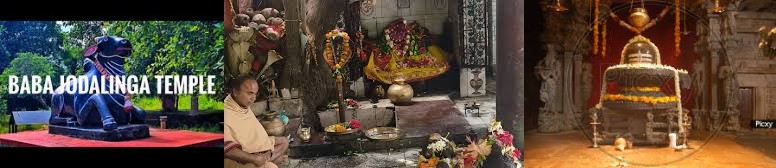
Starting early at 6 AM from Puri, devotees first arrive at the sacred Joda Linga Temple in Chhaitana. The temple houses two Shiva Lingas placed together, symbolizing the inseparable unity of Shiva and Shakti.
Spiritual Importance
This temple is deeply revered for performing Jala Abhiseka, especially in the early morning hours. The twin lingas signify cosmic balance and harmony, and devotees believe that worship here removes obstacles and purifies the mind at the very beginning of the pilgrimage.
Konark and Nabagraha Worship (Cosmic Alignment):
The next destination is the majestic Konark Sun Temple, a masterpiece of Kalinga architecture. Alongside this grand monument lies the sacred Nabagraha shrine.

Why Nabagraha Worship Matters
The nine planetary deities govern human destiny according to Hindu belief. Offering prayers here helps devotees overcome planetary afflictions and restore balance in life. The finely carved Nabagraha panel at Konark stands as a symbol of cosmic order and divine influence.
Maa Mangala Temple, Kakatpur (Divine Guidance of the Goddess):
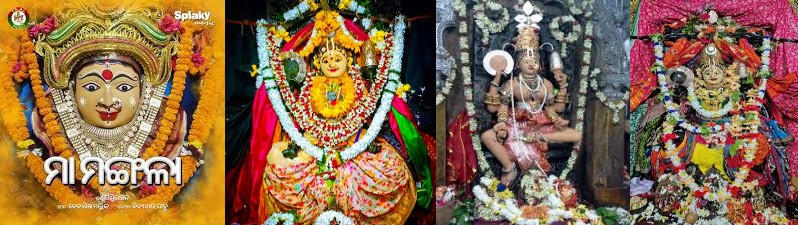
By around 10:45 AM, devotees reach the revered Maa Mangala Temple at Kakatpur, one of Odisha’s most powerful Shakti Peethas.
Role in Nabakalebara
Maa Mangala plays a crucial role in the sacred Nabakalebara ritual of Lord Jagannath. During this rare and highly significant event, the Daitapati servitors (Daita) undertake a divine mission to search for the sacred neem trees (Daru) used to carve the new idols of:
• Lord Jagannath
• Lord Balabhadra
• Devi Subhadra
• Sudarshan
Before beginning this search, the Daitas worship Maa Mangala and stay in Kakatpur. It is believed that the goddess appears in their dreams and reveals the exact locations of the Daru trees. Thus, Maa Mangala is regarded as the divine guide of this sacred process.
Unique Worship
Inside the sanctum, Brahma, Vishnu, and Maheswar are worshipped along with Maa Mangala on the same throne, symbolizing the unity of all divine forces. The Aarati Darshan here is especially powerful and spiritually uplifting.
Ramachandi Temple (Divinity by the Sea):
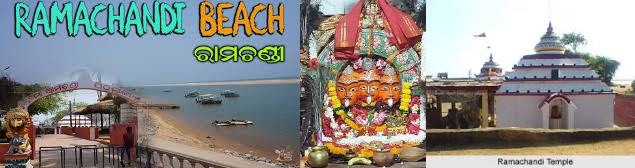
After Kakatpur, the journey continues to the tranquil Ramachandi Temple, located near the sea shore.
Significance
The goddess Ramachandi, a form of Durga, is believed to have been worshipped by Lord Rama. The temple is known as a guardian shrine, protecting devotees, fishermen, and travelers. Its serene coastal setting enhances its spiritual charm and makes it a place of peace and reflection.
Bali Kapileswar Temple (The Sacred Conclusion):
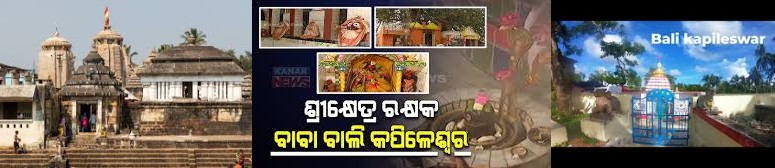
The final stop is the ancient Bali Kapileswar Temple dedicated to Lord Shiva.
Spiritual Practices
Devotees perform Jala Abhiseka, offer Bilva leaves, and partake in Prasad Sevan. The temple is associated with sage Kapila and is believed to grant peace, remove sins, and lead devotees toward spiritual liberation.
Conclusion
This sacred route beautifully blends Shaiva, Shakta, and Vaishnava traditions into one continuous spiritual experience. Each temple is not only historically significant but also deeply alive with faith and rituals.
Among them, Maa Mangala’s divine role in guiding the Daita servitors in searching the sacred Daru for Jagannath, Balabhadra, Subhadra, and Sudarshan during Nabakalebara stands as a unique example of how divine will continues to shape religious practice even today.
Such a pilgrimage is not merely about visiting temples—it is about experiencing the living presence of divinity that guides, protects, and blesses devotees across generations.