
Autism Is Not Karma: Science, Society, and the Danger of Misinformation
By Lokanath Mishra
In recent days, a statement by a former Member of Parliament suggesting that autism is the result of deeds from a “previous birth” has sparked concern among medical professionals, educators, and families alike. Such assertions, though rooted in long-standing cultural beliefs about fate and karma, are not only scientifically unfounded but also deeply harmful. They risk reinforcing stigma, delaying diagnosis, and isolating families who need support—not judgment.
At the heart of this debate lies a simple but urgent truth: autism is a medically recognized neurodevelopmental condition, not a moral consequence.
Understanding Autism: A Scientific Perspective
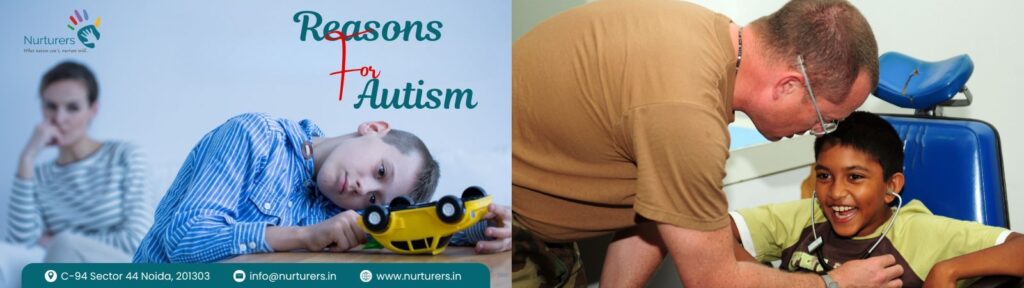
Autism Spectrum Disorder (ASD) refers to a range of conditions characterized by differences in social interaction, communication, behavior, and sensory processing. The term “spectrum” reflects the wide variation in how autism manifests. Some individuals may require significant daily support, while others live independently and excel in highly specialized fields.
Autism typically becomes apparent in early childhood. Common features include:
• Delayed speech or atypical communication patterns
• Limited eye contact or social engagement
• Repetitive movements or behaviors
• Intense focus on specific interests
• Sensory sensitivities to light, sound, or touch
Importantly, autism is not an illness that one “catches”. It is a developmental condition present from early brain formation.
What Causes Autism?
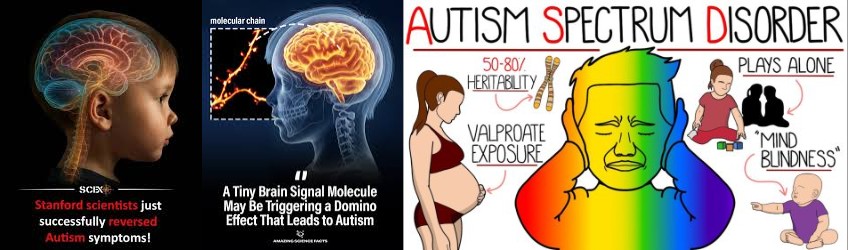
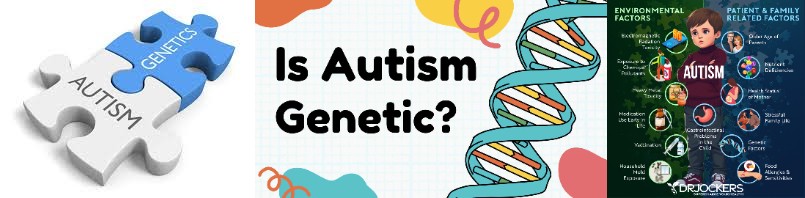
Decades of global research have firmly established that autism arises from a combination of genetic and neurological factors.
• Genetics: Studies show that autism often runs in families. Specific gene variations can influence how the brain develops and functions.
• Brain Development: Imaging studies reveal differences in neural connectivity and information processing in autistic individuals.
• Environmental Factors: Certain prenatal influences—such as maternal health, birth complications, or advanced parental age—may contribute modestly to the likelihood of autism.
However, it must be stated unequivocally:
There is no credible scientific evidence linking autism to supernatural causes, sins, or past-life actions.
The Myth of Karma and Its Social Consequences
The idea that autism is the result of “ପୂର୍ବ ଜନ୍ମର ଫଳ” (past-life karma) reflects a philosophical worldview, not medical reality. While spiritual traditions may offer individuals personal meaning, applying such interpretations to a neurological condition is problematic for several reasons:
1. It Blames the Individual or Family
Suggesting that a child’s condition is due to past actions—real or imagined—places an unfair moral burden on both the child and the parents.
2. It Delays Medical Intervention
Families influenced by such beliefs may turn to rituals or isolation rather than seeking early diagnosis and therapy, which are crucial for development.
3. It Reinforces Stigma
Autism already carries social misunderstanding. Associating it with “punishment” deepens discrimination and exclusion.
4. It Undermines Scientific Literacy
In an era where evidence-based healthcare is essential, public figures spreading unverified claims can mislead large sections of society.
⸻
Autism and the Concept of Neurodiversity
Modern understanding of autism is increasingly shaped by the idea of Neurodiversity—the recognition that variations in brain functioning are part of natural human diversity.
This perspective does not deny challenges but emphasizes that autistic individuals also possess strengths:
• Exceptional memory and attention to detail
• Strong pattern recognition
• Deep focus and persistence
• Creativity in art, music, and technology
Many globally recognized innovators and thinkers are believed to have had traits associated with autism. Their contributions remind us that difference is not deficiency.

The Importance of Early Support
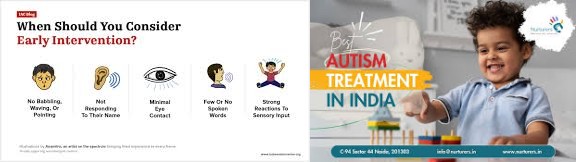
Scientific consensus emphasizes early diagnosis and intervention. With appropriate support, children with autism can significantly improve their communication, learning, and social skills.
Effective interventions include:
• Speech and language therapy
• Behavioral therapies
• Occupational therapy
• Inclusive education systems
India, too, has made progress through policies promoting disability rights and inclusive education, though much remains to be done in awareness and accessibility.
The Responsibility of Public Discourse
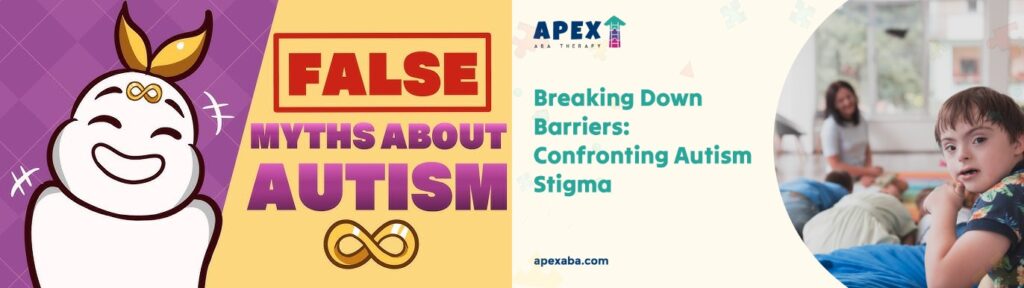
When influential individuals make statements linking autism to past-life karma, the impact extends far beyond personal opinion. It shapes public attitudes, policy priorities, and the everyday experiences of millions of families.
Public discourse must be guided by:
• Scientific evidence
• Compassion
• Social responsibility
Freedom of expression does not absolve one from the consequences of misinformation—especially when it affects vulnerable communities.
A Call for Awareness and Empathy
Autism is not a curse, not a punishment, and certainly not the result of actions in a previous life. It is a biological and neurological reality that demands understanding, research, and inclusive support systems.
Instead of asking “What did they do to deserve this?”, society must ask:
“What can we do to ensure dignity, opportunity, and inclusion for every individual?”
Only then can we move from ignorance to awareness—and from stigma to acceptance.