
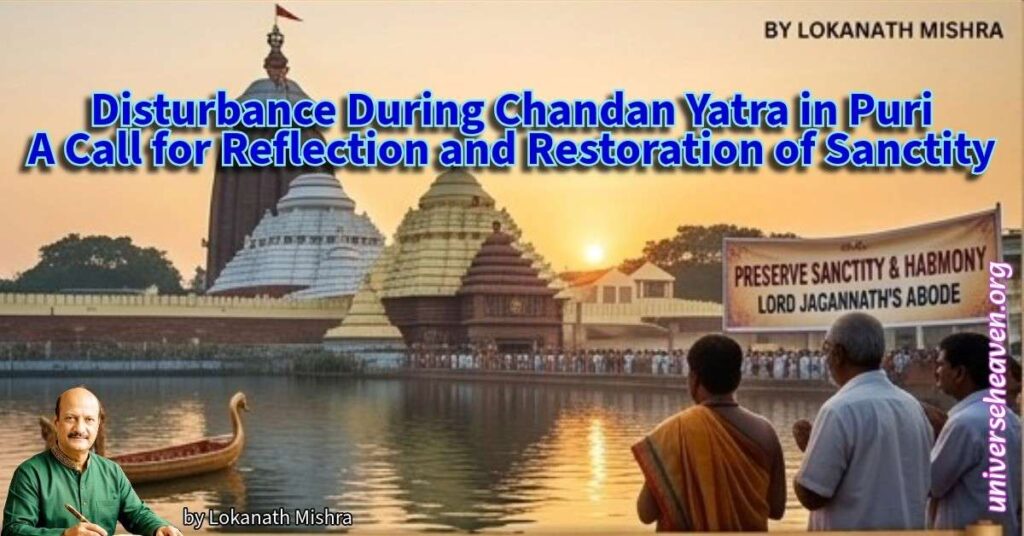
Disturbance During Chandan Yatra in Puri : A Call for Reflection and Restoration of Sanctity
By Lokanath Mishra
The sacred town of Puri, revered as the abode of Lord Jagannath, has long stood as a symbol of spiritual harmony, devotion, and cultural continuity. Among its many time-honoured traditions, the annual Chandan Yatra holds a special place in the hearts of devotees. However, the recent disturbance reported during this revered festival has raised serious concerns among pilgrims, scholars, and the religious community at large.
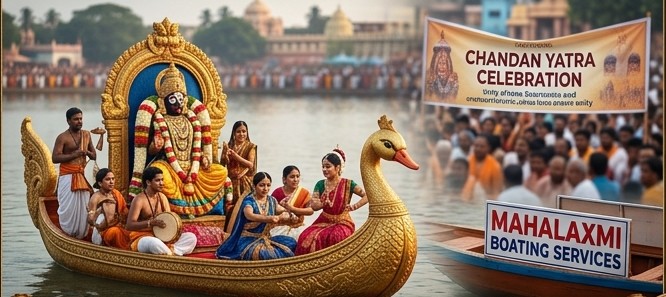
Chandan Yatra, a 42-day festival that commenced on April 20 this year, coinciding with the auspicious occasion of Akshaya Tritiya, is celebrated with deep devotion and elaborate rituals. The festival unfolds in two distinct phases — Bahara Chandan (outer phase) and Bhitara Chandan (inner phase), each spanning 21 days. These rituals are intricately connected with the traditions of the Jagannath Temple and reflect centuries-old practices preserved with utmost care.
During the Bahara Chandan phase, the representative idols (utsava vigrahas) of Lord Jagannath — including Madanmohan, Rama, Krishna, Bhudevi, and Shreedevi — are ceremoniously taken out in a grand procession. Accompanied by the rhythmic beats of traditional music and devotional dance, these deities are placed in beautifully decorated boats for a sacred cruise in the Narendra Tank. Alongside them, the revered Pancha Pandava Shivas also partake in this divine journey, symbolizing unity among various manifestations of divinity.
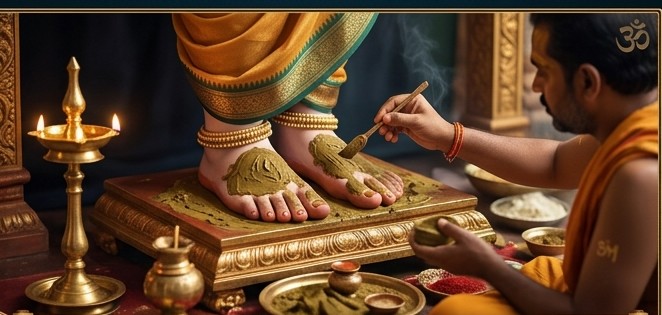
The Bhitara Chandan phase, in contrast, is observed within the temple premises, where the rituals continue in a more serene and introspective manner. Here, the deities are anointed with sandalwood paste (chandan), believed to provide relief from the intense summer heat, while also symbolizing purity, devotion, and divine grace.
In light of such profound spiritual significance, any disturbance during this festival is not merely an administrative concern but a matter of deep emotional and religious sensitivity. The recent disruption—whether arising from crowd mismanagement, security lapses, or unforeseen circumstances—has cast a shadow over the otherwise serene and joyous celebrations. It underscores the pressing need for better coordination among temple authorities, local administration, and devotees.
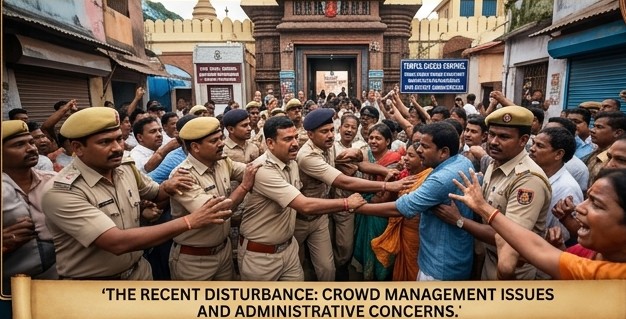
Festivals like Chandan Yatra are not just rituals; they are living expressions of Odisha’s cultural heritage and spiritual ethos. They demand discipline, mutual respect, and a collective sense of responsibility. Devotees must remember that their conduct plays a vital role in preserving the sanctity of such events. Similarly, authorities must ensure robust planning, adequate security arrangements, and effective crowd control measures to prevent any recurrence of such incidents.
At a deeper level, this disturbance serves as a reminder that the true essence of devotion lies not only in participation but also in maintaining peace, harmony, and reverence. The teachings associated with Lord Jagannath emphasize inclusiveness, patience, and compassion—values that must guide every devotee, especially during such significant festivals.
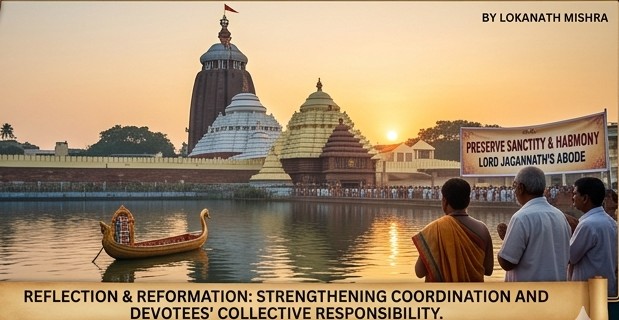
In conclusion, while the recent disturbance during Chandan Yatra in Puri is regrettable, it also offers an opportunity for introspection and reform. By learning from this incident and strengthening our commitment to preserving the sanctity of sacred traditions, we can ensure that future celebrations of this divine festival continue to inspire devotion, unity, and spiritual upliftment for generations to come.