
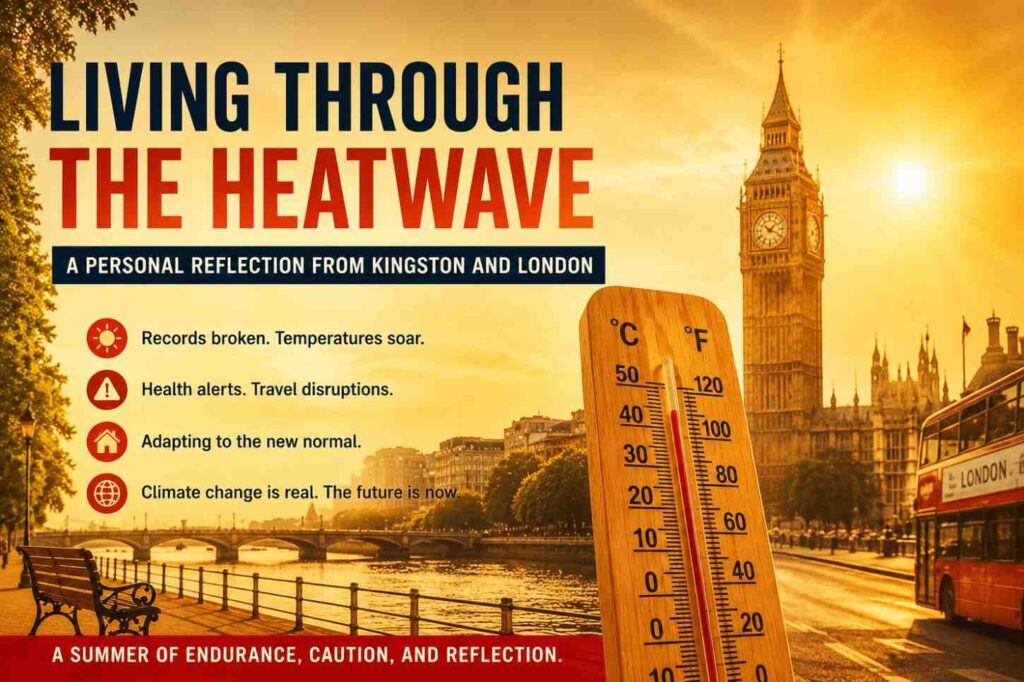
Living Through the Heatwave: A Personal Reflection from Kingston and London
By Lokanath Mishra
The summer of 2026 has brought an extraordinary and challenging heatwave across much of Europe. While many people associate the United Kingdom with cool weather, cloudy skies, and frequent rain, the present situation tells a very different story. From London to the surrounding towns, residents are experiencing temperatures that only a few years ago would have been considered unimaginable.
At present, I am staying in Kingston. Every morning, I make it a point to go for a walk and enjoy the fresh air before the day becomes too hot. The early hours remain pleasant and provide a welcome opportunity for exercise and reflection. However, as the sun climbs higher, the temperature rises rapidly. Consequently, I spend most of my time indoors, seeking shelter from the intense heat.
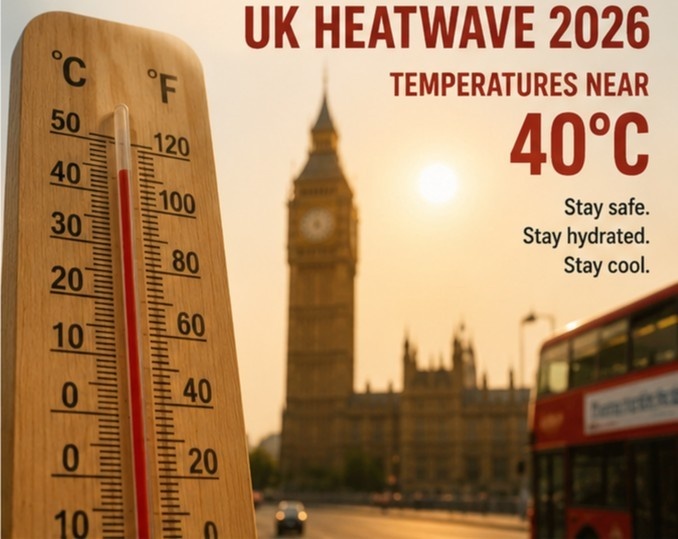
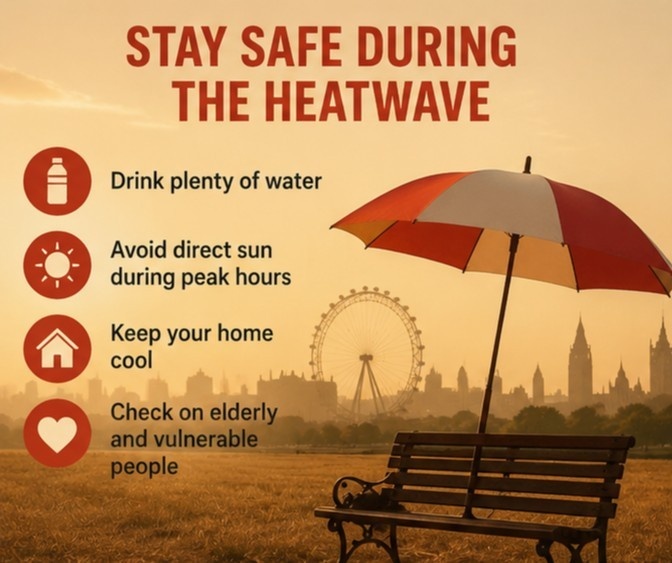
The current heatwave has affected daily life in significant ways. Temperatures in parts of southern England have approached 40°C, leading the authorities to issue rare red heat warnings and health alerts. The UK Health Security Agency and the Met Office have warned that such temperatures pose risks not only to elderly and vulnerable people but also to healthy individuals. Citizens have been advised to remain hydrated, avoid direct sunlight during the hottest hours of the day, and keep their homes as cool as possible. (Met Office)
London, one of the world’s great cities, is feeling the full impact of the heatwave. Roads, railways, schools, hospitals, and public services are under pressure. Some schools have modified their schedules, while transport authorities have urged passengers to travel only when necessary. Certain tourist attractions have even been temporarily closed because of safety concerns arising from the extreme temperatures. (The Independent)
What makes this heatwave particularly uncomfortable is not merely the high temperature but also the humidity. Meteorologists have noted that humid air makes the weather feel even hotter than the thermometer suggests. During the nights, temperatures remain unusually high, often exceeding 20°C, depriving people of the cooling relief that traditionally accompanies British evenings. These “tropical nights” make sleeping difficult and increase the risk of heat-related illnesses. (Met Office)
The situation bears some resemblance to the conditions experienced in Delhi, where residents are accustomed to enduring severe summer heat. Yet many people in Britain are less prepared for such extremes because homes, public buildings, and transport systems were largely designed for a cooler climate. As a result, many Londoners are finding the present weather exceptionally difficult to manage. (The Guardian)
Across Europe, the heatwave has become a matter of serious concern. Several countries have recorded exceptionally high temperatures, and authorities have issued health warnings to protect the public. Scientists increasingly point to climate change as a factor contributing to the growing frequency and intensity of such extreme weather events. (Reuters)
As I continue my stay in Kingston, I have adapted my routine accordingly. Morning walks remain an important part of the day, but during the afternoon I prefer to remain indoors, reading, writing, and observing the remarkable weather conditions outside. The heatwave serves as a reminder of how rapidly climatic conditions are changing and how communities everywhere must learn to adapt.
The summer of 2026 will undoubtedly be remembered as one of the hottest periods in modern British history. For the people of London and the surrounding regions, it is a season of endurance, caution, and reflection on the environmental challenges that lie ahead.