

A Spiritual Pilgrimage to Hindu Temples in London: My Experience of Faith and Devotion
By Lokanath Mishra
Travelling is not merely a journey from one place to another; it is also a journey of the mind and soul. During my recent visit to London, I had the privilege of visiting several Hindu temples with my family. Although we were thousands of kilometres away from India, the moment we entered these temples, we experienced the same spiritual atmosphere that fills the sacred temples of our motherland. The ringing of temple bells, the fragrance of incense, the chanting of Vedic mantras, and the sight of beautifully adorned deities created an atmosphere of peace and divine bliss.
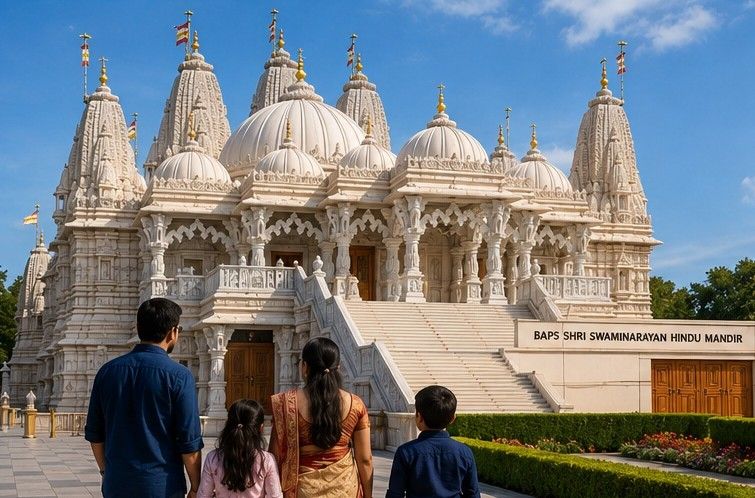
For every Hindu, a temple is not simply a building made of stone; it is the abode of God, where the human soul seeks communion with the Divine. My visit to the Hindu temples of London strengthened my faith and reminded me that Sanatana Dharma transcends geographical boundaries.
Our first destination was the magnificent BAPS Shri Swaminarayan Mandir at Neasden. As we approached the temple, its majestic white stone architecture immediately captivated our attention. Every pillar, dome, and arch was intricately carved with scenes from Hindu scriptures and traditional Indian art. It was difficult to believe that such a magnificent temple had been built in the heart of one of the world’s busiest cities.
Before entering the temple, we removed our shoes as a mark of reverence. Inside, silence prevailed despite the presence of many visitors. Devotees from different parts of the world stood peacefully before the beautifully decorated deities. My family and I folded our hands in prayer, closed our eyes, and silently offered our gratitude to the Almighty for His countless blessings.
We spent considerable time admiring the exquisite craftsmanship of the temple. Volunteers courteously explained the history of the Mandir, its construction, and the spiritual teachings of Hinduism. Their dedication and humility deeply impressed us.
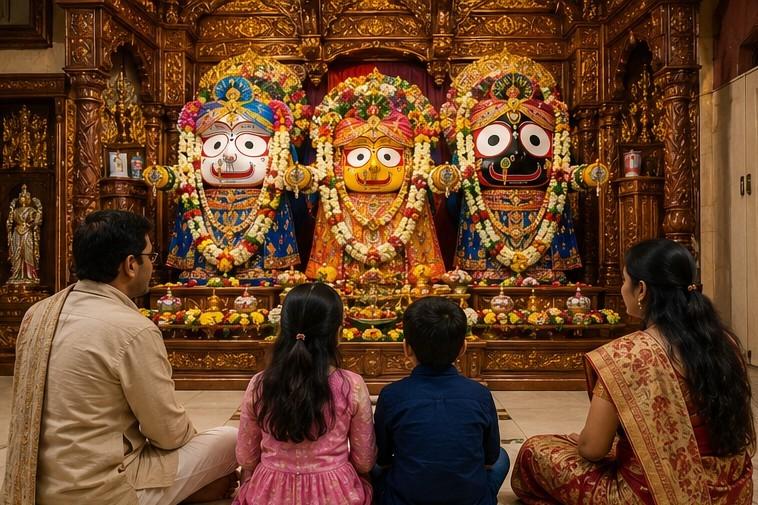
During the visit, we participated in the daily Aarti. As devotional hymns echoed throughout the temple hall, lamps were waved before the deities, filling the atmosphere with divine energy. We joined the congregation in singing the prayers and experienced an indescribable sense of inner peace. It was a moment that united hundreds of devotees in collective devotion irrespective of age, language, or nationality.
Our pilgrimage also took us to Bhaktivedanta Manor, one of the most revered centres of Krishna devotion in Europe. Nestled amidst the serene countryside, the temple offered a peaceful environment for meditation and prayer. We had the sacred darshan of Lord Sri Krishna and Srimati Radharani, whose beautifully decorated forms radiated grace and compassion.
The melodious chanting of the Hare Krishna Mahamantra filled every corner of the temple. Devotees sang with deep devotion while playing traditional musical instruments. The spiritual vibrations created an atmosphere that touched every heart. We participated in the kirtan, listened to a discourse on the Bhagavad Gita, and later received sanctified prasadam. The simple vegetarian meal, offered first to the Lord, reminded us that food becomes sacred when prepared and accepted with devotion.
During our stay in London, we also visited temples dedicated to Lord Shiva, Lord Ganesha, Goddess Durga, Lord Hanuman, Lord Murugan, and Lord Ayyappa. Although each temple followed its own customs and traditions, the spirit of devotion remained the same everywhere.
At every temple, my family offered flowers, fruits, and prayers before the deities. We performed circumambulation around the sanctum, lit lamps where permitted, and sat quietly in meditation. I recited verses from the Bhagavad Gita and silently prayed for the well-being of my family, friends, and humanity at large.
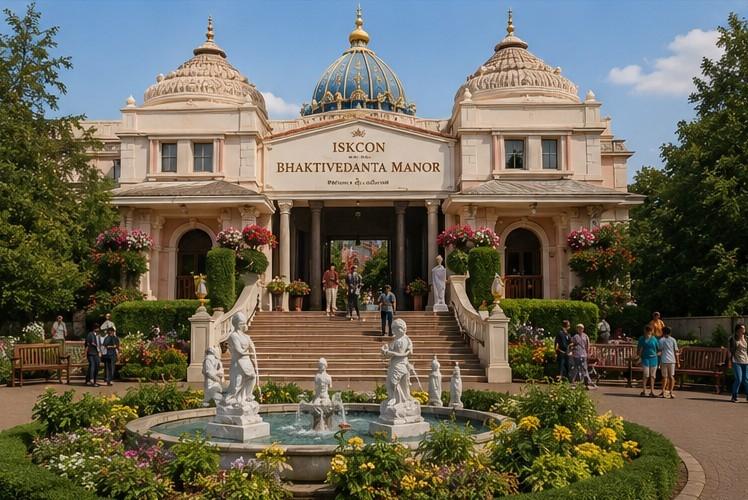
One aspect that particularly impressed me was the discipline maintained inside every temple. Devotees patiently waited for darshan, respected temple regulations, maintained cleanliness, and participated in worship with sincere devotion. The younger generation actively volunteered in various services, reflecting their commitment to preserving Hindu culture while growing up in British society.
The temples also served as vibrant cultural centres. Children attended classes in Sanskrit, Hindu scriptures, Indian music, dance, and moral education. Community halls hosted religious discourses, yoga sessions, and charitable activities. These institutions were not merely places of worship but centres for preserving India’s rich spiritual heritage in a foreign land.
Equally remarkable was the diversity among the devotees. Indians from different states worshipped together without distinction of language, caste, or region. We met families originally from Gujarat, Punjab, Tamil Nadu, Andhra Pradesh, Karnataka, Maharashtra, Bengal, Odisha, Nepal, Sri Lanka, and several other countries. Many British citizens of non-Indian origin also visited the temples out of genuine interest in Hindu philosophy and culture.
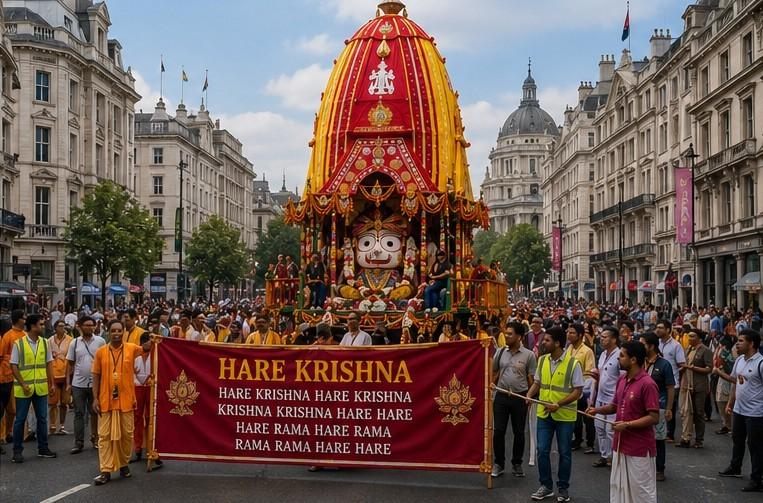
What touched me most was the unwavering faith of the Hindu community in London. Despite living far from India, they have preserved their traditions with remarkable dedication. Festivals such as Diwali, Janmashtami, Navaratri, Maha Shivaratri, Ganesh Chaturthi, and Rath Yatra are celebrated with the same enthusiasm and devotion as in India. Their temples have become spiritual homes where culture, religion, and family values flourish together.
As I stood before the sacred deities during my final temple visit, I realised that the presence of God is not confined to any one country. Wherever sincere devotion exists, there God resides. The temples of London have become living symbols of Sanatana Dharma, demonstrating that spiritual values can flourish in every corner of the world.
Our family’s pilgrimage concluded with hearts filled with gratitude and renewed faith. We returned home carrying not only photographs and memories but also spiritual inspiration that will remain with us throughout our lives. This journey reminded me that true pilgrimage is not measured by the distance travelled but by the transformation experienced within the heart.
I consider it a rare blessing that I could visit these sacred temples with my family. The experience deepened our devotion, strengthened our appreciation of Hindu culture, and reaffirmed our belief that the eternal message of Sanatana Dharma—truth, compassion, selfless service, and devotion to God—continues to illuminate lives across the world.
— Lokanath Mishra