
About Naga Sadhus
By Lokanath Mishra:
Naga Sadhus are Hindu saints who live a simple life. They renounce worldly possessions and wealth. These saints worship Lord Shiva and Goddess Parvati, spending 18 hours a day meditating and practicing yoga.
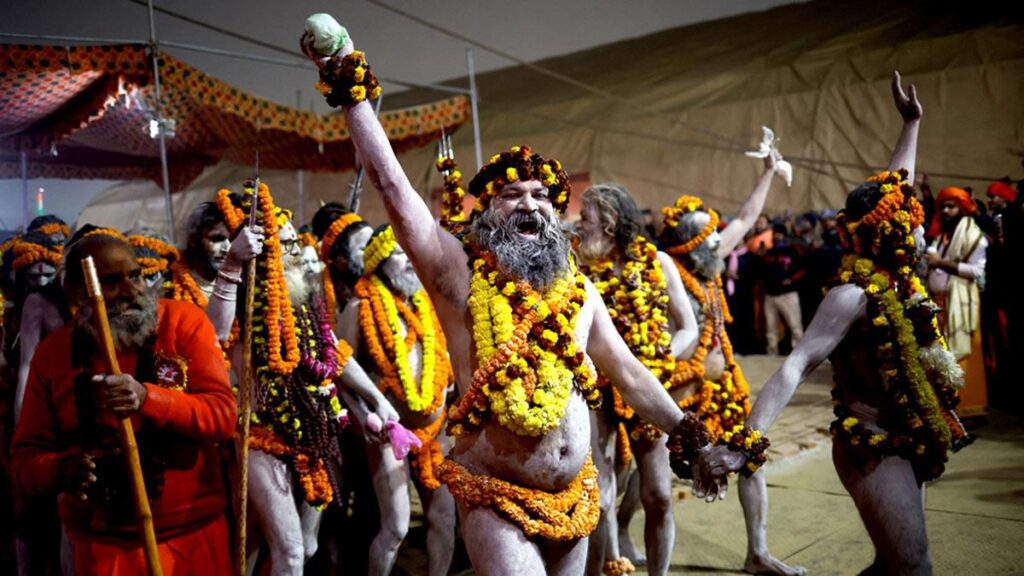
On February 3, 2025, I found millions of devotees gathered at the Sangam in Prayagraj for the sacred bathing ritual, Sahi Snan. A procession of Naga Sadhus, both men and women, walked naked to the Sangam, their bodies smeared with ash and hair matted.
The women Naga Sadhus wear a simple gerua sari and plain clothes without stitches during their menstrual periods. This practical solution maintains their modesty while adhering to their ascetic lifestyle.
Naga Sadhus rely on alms, donations, and self-sufficiency. They live in communal residences, temples, ashrams, caves, forests, or adopt a nomadic lifestyle.
These saints organize themselves into groups with their own hierarchy, leadership, rules, rituals, and traditions. Many Naga Sadhus are learned individuals driven by a desire for spiritual liberation.
Despite controversies, Naga Sadhus are revered for their spiritual pursuits and austerity. They have protected the Jagannath Temple since 1402 CE and are known for their military and gymnastic skills.
In conclusion, Naga Sadhus are a complex and diverse group. While some individuals may have been involved in controversies, the community is driven by a desire for spiritual growth and self-realization.
The Sangam bath, also known as Sahi Snan, is a sacred ritual that takes place at the confluence of the Ganges, Yamuna, and Saraswati rivers in Prayagraj. This ritual is considered one of the most sacred and auspicious events in Hinduism. Millions of devotees gather to take a dip in the sacred waters, seeking spiritual purification and enlightenment.
Women Naga Sadhus, also known as Naga Sadhvis, are an integral part of the Naga Sadhu community. They renounce worldly life and dedicate themselves to spiritual pursuits, just like their male counterparts. Women Naga Sadhus are known for their spiritual strength, courage, and devotion.
Naga Sadhus come to Sangam for several reasons:
- Spiritual Purification: The Sangam bath is believed to wash away sins and purify the soul.
- Seeking Enlightenment: Naga Sadhus seek spiritual enlightenment and self-realization through their spiritual practices and rituals.
- Renunciation: By renouncing worldly life, Naga Sadhus demonstrate their commitment to spiritual pursuits.
- Community: The Sangam bath provides an opportunity for Naga Sadhus to come together, share their experiences, and strengthen their community bonds.
Women Naga Sadhus play a vital role in the Naga Sadhu community:
- Spiritual Leaders: Women Naga Sadhus are respected spiritual leaders, guiding their fellow sadhus on the path to enlightenment.
- Ritual Performers: Women Naga Sadhus participate in various rituals and ceremonies, including the Sangam bath.
- Community Builders: Women Naga Sadhus help build and strengthen the Naga Sadhu community through their selfless service and devotion.
Despite their significant contributions, women Naga Sadhus face several challenges:
- Social Stigma: Women Naga Sadhus often face social stigma and discrimination due to their unconventional lifestyle.
- Physical Challenges: Women Naga Sadhus must endure physical hardships, including extreme temperatures, lack of amenities, and demanding spiritual practices.
- Balancing Spirituality and Practicality: Women Naga Sadhus must balance their spiritual pursuits with practical considerations, such as managing their daily needs and responsibilities.
Conclusion
The Sangam bath is a sacred ritual that holds great significance for Naga Sadhus, including women. Despite facing various challenges, women Naga Sadhus continue to play a vital role in the Naga Sadhu community, demonstrating their spiritual strength, courage, and devotion.

This article by Sir L. N.Mishra is captivating as well as exhaustive. The author has tried his best to relate the intricate nuances of Nagar Sadhus. Nice read.