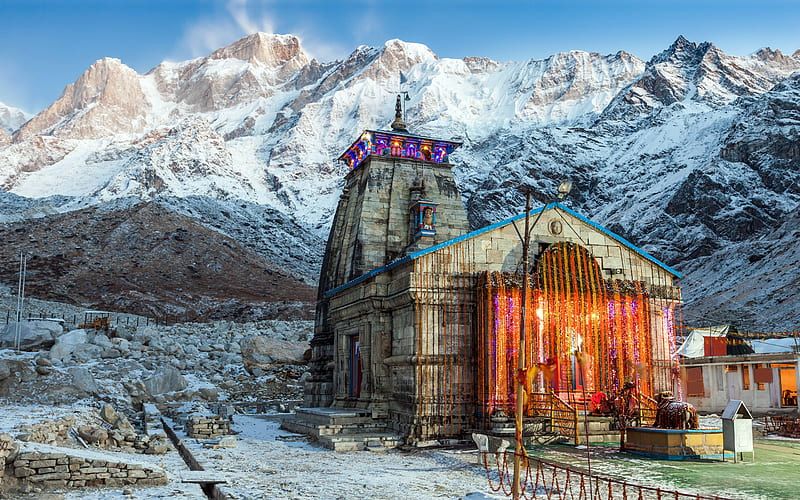
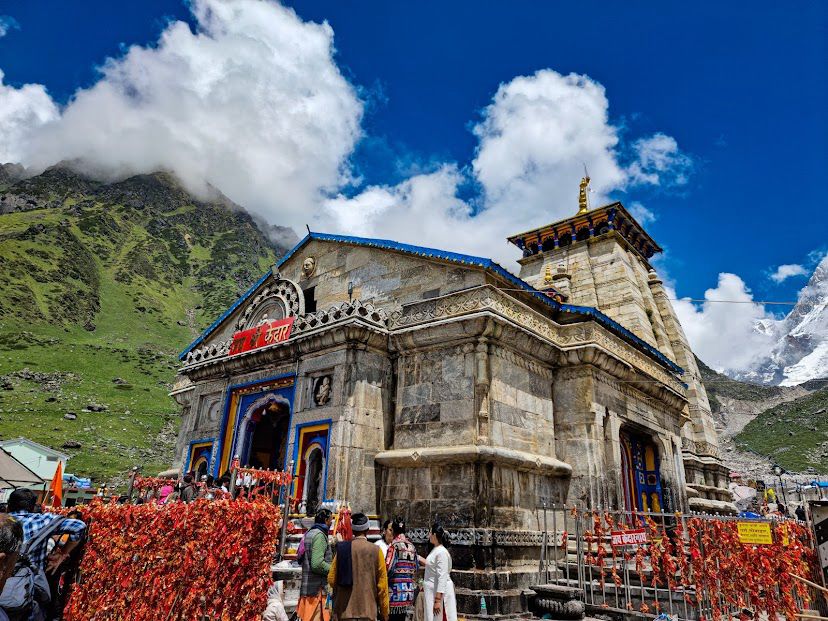
The Significance of Chardham Yatra in Hinduism:
By Lokanath Mishra
In Hinduism, the Chardham Yatra is a revered pilgrimage that offers spiritual growth, self-realization, and liberation. This sacred journey is believed to fulfill one’s deepest desires (Manskamana) and provide an opportunity for introspection and self-reflection.
Religious Significance
- Moksha: The Chardham Yatra is believed to help attain Moksha, liberation from the cycle of birth and death. By completing this journey, pilgrims can break free from the shackles of karma and attain spiritual freedom.
- Punya: Completing the Yatra earns Punya, merit that helps to neutralize past karma. This accumulated merit can lead to a better life and spiritual growth.
- Darshan: The Yatra offers an opportunity to have Darshan, divine sight, of the deities at each temple. This divine sight is considered a great blessing, allowing pilgrims to connect with the divine and experience spiritual bliss.
Philosophical Benefits
- Self-Realization: The journey helps pilgrims to introspect, reflect on their life, and attain self-realization. Through this process, pilgrims can gain a deeper understanding of themselves and their place in the world.
- Detachment: The hardships and challenges faced during the Yatra help to cultivate detachment from worldly desires. By letting go of attachments, pilgrims can focus on their spiritual growth and development.
- Spiritual Growth: The Yatra provides an opportunity to focus on spiritual growth, renounce worldly attachments, and seek enlightenment. Through this journey, pilgrims can experience spiritual growth and develop a deeper connection with the divine.
Religious Activities
- Puja and Darshan: Perform Puja (worship) and have Darshan of the deities at each temple. This helps to create a deep connection with the divine and experience spiritual bliss.
- Havan and Yajna: Participate in Havan (fire rituals) and Yajna (sacrifices) to purify the mind and soul. These rituals help to cleanse the pilgrim’s energy and prepare them for spiritual growth.
- Satsang: Engage in Satsang (spiritual discourse) with fellow pilgrims and sadhus (sages). This helps to create a sense of community and shared spiritual purpose.
- Seva: Perform Seva (selfless service) by helping fellow pilgrims, sadhus, and the local community. This helps to cultivate compassion, empathy, and selflessness.
- Pinda Dana: Perform Pinda Dana, an offering to ancestors, for their liberation. This helps to cultivate a sense of respect and gratitude for one’s ancestors and heritage.
Importance of Discipline and Purity
- Brahmamuhurta: Waking up during Brahmamuhurta, the auspicious hour before dawn, is considered ideal for spiritual growth. This helps to cultivate discipline, purity, and self-control.
- Early Bathing and Completing Works Quickly: Early bathing and completing works quickly help to cultivate purity, discipline, and self-control. This practice also helps to develop mindfulness, focus, and concentration, essential for spiritual growth.
Guidelines for a Successful Chardham Yatra
- Avoid consuming tea, coffee, or other beverages during the Yatra.
- Avoid sleeping in the morning after 5 o’clock.
- Remember that the Chardham Yatra is a spiritual journey, not a pleasure trip. Be prepared to face challenges and hardships, and avoid unnecessary comforts.
- Cultivate a sense of detachment, selflessness, and compassion throughout the journey.
By following these guidelines and embracing the spiritual significance of the Chardham Yatra, pilgrims can experience profound spiritual growth, self-realization, and liberation.