
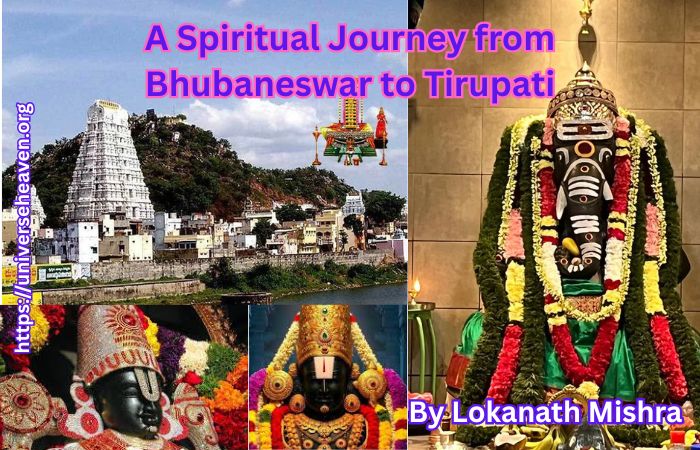
A Spiritual Journey from Bhubaneswar to Tirupati
By Lokanath Mishra:
A pilgrimage is not just a journey measured in miles—it is a profound inner experience that blends devotion, culture, and history. My recent trip from Bhubaneswar to Tirupati was one such memorable spiritual journey, enriched by visits to ancient temples, sacred rituals, and serene landscapes. Across four days, I explored some of South India’s most revered religious sites, each carrying its own mythology and architectural legacy.
Arrival in Chennai
My trip began in Bhubaneswar, from where I traveled to Chennai—Tamil Nadu’s cultural capital and the gateway to many pilgrimage routes in South India. I stayed at Hotel La Mardina, a comfortable retreat that provided a refreshing break after the journey. The city’s warmth and hospitality set the tone for the spiritual adventure that awaited me.
From Chennai, I proceeded to Tirupati by road. The drive offered picturesque views of the Eastern Ghats, scattered with rocky hills, mango orchards, and small temple shrines along the way.
Day 1: Visit to Padmavathi Devi Temple

Padmavathi Ammavari Temple (Alamelu Mangapuram)
My first divine stop was the Padma Devi Temple, popularly known as Sri Padmavathi Ammavari Temple, located in Tiruchanur near Tirupati. According to sacred legends, Goddess Padmavathi, the consort of Lord Venkateswara, manifested in a golden lotus in the Pushkarini (holy tank) here.
Temple Significance
• The temple is dedicated to Goddess Padmavathi, believed to bestow prosperity, health, and marital harmony on devotees.
• It is considered essential to seek the Goddess’s blessings before visiting the main Tirumala temple.
• The golden Gopuram, meticulously carved pillars, and divine ambiance add to the sanctity of the shrine.
The visit filled me with a sense of calm and reverence, marking a beautiful beginning to my pilgrimage.

Day 2: Kalhasti, Govindaraja, and Kapila Theertham
- Sri Kalahasti Temple

My second day began with a journey to Srikalahasti, one of the most significant Shiva temples in South India.
Temple Highlights
• Famous as the Kashi of the South, this temple houses Vayu Lingam, one of the Pancha Bhoota Lingas, representing the element air.
• The temple is known for Rahu-Ketu pooja, believed to alleviate astrological and karmic issues.
• Its architecture is remarkable, with a towering 120-ft gopuram and a sanctum said to have been worshipped by Lord Shiva’s ardent devotees—Kannappa, the tribal saint, being the most famous.
The divine vibrations of the temple and the roaring sound of wind resonating through its corridors created a powerful spiritual ambiance.
- Sri Govindaraja Swamy Temple
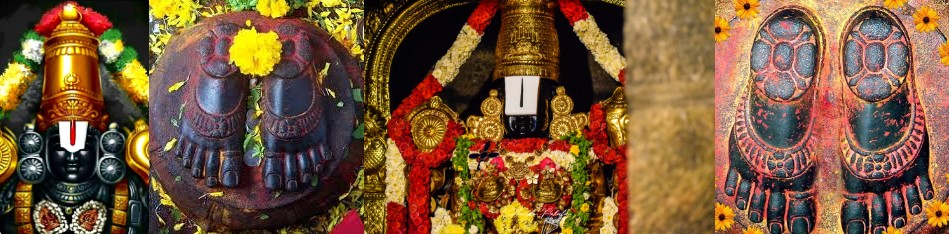
Next, I visited the Govindaraja Temple, one of Tirupati’s largest and historically important Vaishnavite shrines.
Temple Highlights
• Dedicated to Lord Govindaraja Swamy, the elder brother of Lord Venkateswara.
• Originally consecrated by Sri Ramanujacharya in the 12th century.
• The temple architecture includes seven prakarams (enclosures) and a magnificent 50-metre-high Rajagopuram visible from afar.
• Inside, one can also find sanctums dedicated to Sri Parthasarathi, Andal, and other deities.
The temple’s serene environment, coupled with its rich tradition, made it a truly enriching stop.
- Kapila Swamy Temple (Kapila Theertham)
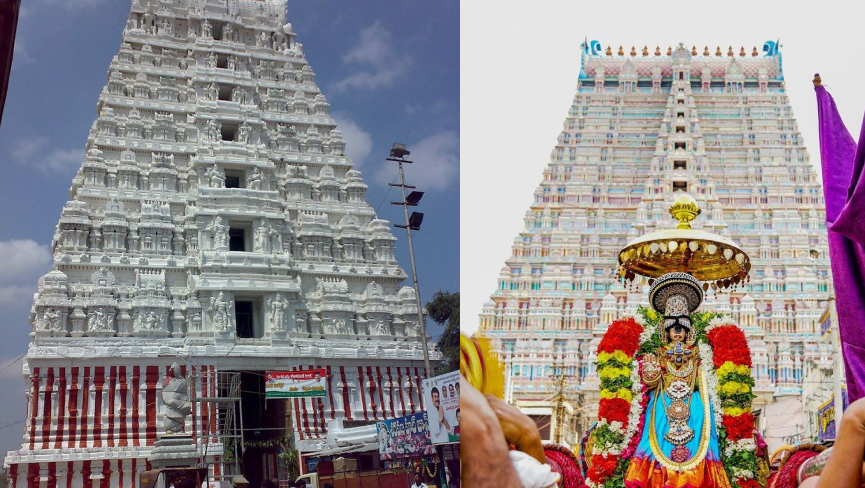
The last temple of Day 2 was the Kapila Theertham, situated at the foothills of Tirumala, where a sacred waterfall meets a perennial pond.
Temple Highlights
• This temple is dedicated to Kapila Mahamuni, a great sage believed to have worshipped Lord Shiva here.
• The main deity is called Kapileswara Swamy, and it is one of the few Shaivite temples in the region dominated by Vaishnavite worship.
• The waterfall flowing from the Seshachalam Hills into the temple tank is believed to purify one’s sins and cleanse the mind.
The natural setting of the temple—surrounded by hills, flowing water, and lush greenery—made it a deeply peaceful experience.
Day 3: Kanapaka Vinayaka & Oldest Mahadev Temple
- Kanipakam Vinayaka Temple
On Day 3, I visited the Kanapika Ganapati Temple, popularly known as Kanipakam Vinayaka Temple, located about 70 km from Tirupati.
Temple Highlights
• The self-manifested (swayambhu) idol of Lord Ganesha is the main attraction.
• The unique feature is that the idol is believed to be growing in size over the centuries.
• The temple tank (Kalyani) is famed for revealing truth—historically used for settling disputes, as the water would rise to indicate guilt.
The spiritual energy of the temple, combined with its rich legend, made the visit both fascinating and sacred.
- Oldest Mahadev Temple
Later, I visited the Oldest Mahadev Temple, an ancient shrine dedicated to Lord Shiva. Located amidst rural surroundings, this temple stands as a symbol of South India’s deep-rooted Shaivite traditions.
Temple Highlights
• The Shiva Lingam here is believed to be ancient, dating back several centuries.
• The architecture reflects early Dravidian style with simple yet powerful stone structures.
• The peaceful surroundings offer an ideal place for meditation and reflection.
The aura of age-old devotion and the gentle stillness of the temple surroundings left a lasting impression.
Gudimallam Temple | Parasurameswara Temple – Oldest Shiva TempleThe oldest Shiva temple near Tirupati is the Parasuramesvara temple in Gudimallam, located about 24 kilometers southeast of Tirupati. This temple is notable for housing the Gudimallam Lingam, which is considered one of the oldest Shiva Lingams in the world, with its dating ranging from the 3rd-century BCE to the 2nd-century CE.
Location: Gudimallam village, near the Yerpedu mandal of Tirupati district.
Key feature: It contains the Gudimallam Lingam, an ancient and historically significant Shiva Lingam.
Age: Archaeological evidence places the Lingam between the 3rd-century BCE and the 2nd-century CE.
Day 4: Tirumala Darshan & Hari Padalu
- Sri Venkateswara Temple, Tirumala
The fourth day was the most momentous—my darshan of Lord Venkateswara, also known as Prabhu Tirupati, at the world-famous Tirumala Temple.
Experience of Darshan
Thanks to VIP passes, my darshan was completed within just one hour—an extraordinary blessing considering the temple’s massive daily footfall.
Inside the sanctum, the sight of the Lord adorned with dazzling ornaments and flowers was overwhelming. The spiritual intensity of the Ananda Nilayam, the chanting of Govinda-Govinda, and the energy of thousands of devotees created an unforgettable divine atmosphere.
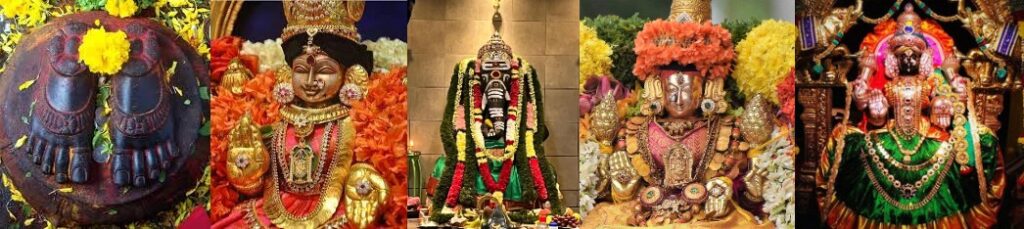
- Hari Padalu
After the darshan, I visited Hari Padalu, a sacred spot on the Seshachalam hills where the footprints of Lord Venkateswara are believed to be imprinted.
Significance
• The footprints symbolize the Lord’s descent to earth.
• The site offers panoramic views of the hill ranges and Tirumala town below.
• Devotees consider it an auspicious location where wishes are fulfilled.
Standing there, with cool mountain breeze and ancient legends surrounding me, I felt spiritually elevated.
Conclusion
This four-day pilgrimage from Bhubaneswar to Tirupati was a deeply enriching journey through devotion, culture, and history. Each temple, with its own stories and architecture, added a unique layer to the spiritual experience. Visiting Padmavathi Devi, the great temples of Tirupati and Kalhasti, Kanipakam Vinayaka, and the ancient Shiva shrines left me with memories that will remain etched in my heart for years.
The Greatness of Maha Prabhu Tirupati and How to Pray for a Smooth Darshan:
Shakti Pithas in Ujjain and Indore