
A Story of Dvapar Yuga in Prose (Part-23)
By Lokanath Mishra
Akrura was received with ceremony when he reached the Kuru capital of Hastinapura. In a private exchange with Sanjaya he disclosed that Mathura was facing serious danger and that King Ugrasena sought Kuru support in resisting the expanding power of Jarasandha of Magadha.
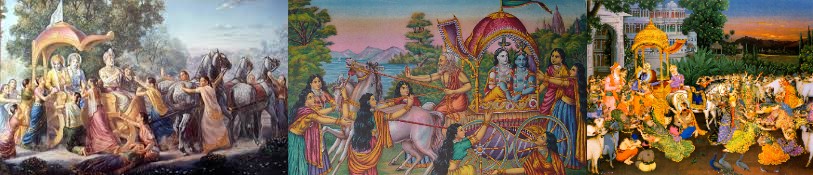
By then Duryodhana, newly married to Bhanumati, had become so influential that Dhritarashtra rarely made military or political decisions without his son’s approval. Akrura asked permission to continue toward Indraprastha, and Dhritarashtra agreed, though reluctantly.
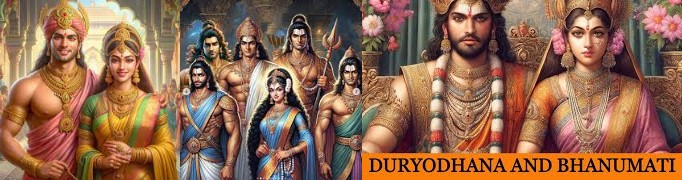
Before consulting Bhishma, Dhritarashtra raised the matter with Duryodhana, who reacted sharply. He argued that winning Jarasandha’s goodwill would secure the Kurus’ future and pressed his father to propose an alliance with Magadha instead of helping Mathura. Dhritarashtra recognized the self-serving dimension of the suggestion but still needed Bhishma’s counsel, so he postponed any decision.
Kunti met Akrura during his stay and could no longer restrain her anguish. She described the humiliation her sons endured at the hands of Duryodhana and his allies while she lived on sufferance in Dhritarashtra’s household. Akrura assured her that righteousness was on her side and that Krishna, who had already removed Kamsa, would not allow injustice to prevail. Still, when she learned he had come seeking the Kurus’ military help, she dismissed the possibility that Duryodhana would ever support Mathura.
Her fear proved correct. In the full royal assembly Duryodhana and his faction rejected Akrura’s request outright. Duryodhana even pushed for Hastinapura to support Jarasandha instead, and only Bhishma’s intervention kept the kingdom from making such a dangerous commitment. Feeling insulted, Akrura asked Dhritarashtra for a private audience.
In solitude he explained that Krishna had no real need for military aid; the request was a test of the Kurus’ goodwill. He then delivered Krishna’s message: that the king should treat the sons of Pandu with parental affection, that attachment to one’s own children often leads to injustice, and that wealth or power gained by unrighteous means ultimately destroys those who cling to it. Dhritarashtra answered with sorrow that he understood these truths but remained trapped by his blindness and by overwhelming attachment to his son. Whatever fate chose, he said, would come to pass. Akrura left Hastinapura disheartened.
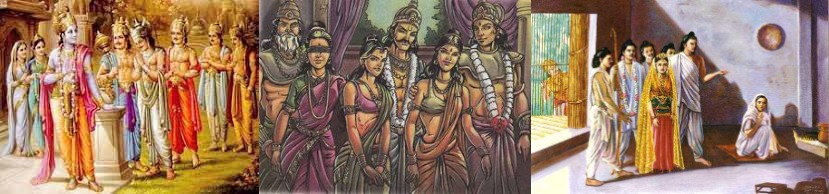
Within a week Jarasandha’s vast army advanced on Mathura. The Yadavas mustered their forces but were deeply apprehensive. Two celestial chariots descended to aid Krishna and Balarama: Nandighosha, bearing the Sarnga bow, the Panchajanya conch, and divine weapons; and Taladhvaja, outfitted with Balarama’s plough and mace. Krishna declared that he and his brother alone would shoulder the burden of the fight.
Although the kings of Chedi and Karusha were friendly to Vasudeva, treaty obligations prevented them from openly assisting Mathura. The Magadhan forces, rich with elephants, cavalry, and chariots, appeared overwhelming, and the Yadava ranks seemed to lose heart before the first charge.
Krishna and Balarama drove forward to meet the assault. The sound of Krishna’s Panchajanya sent shockwaves through the enemy lines, and the crack of the Sarnga bow threw the elephants into panic. Krishna’s arrows rained down in unbroken volleys. Balarama’s plough and mace broke entire formations. As the Magadhan army thinned, the Yadavas regained confidence and joined the counterattack. In the end Jarasandha faced the two brothers alone. He attacked Balarama but was quickly overpowered. Krishna intervened and instructed Balarama to let him go, hinting that Jarasandha still had a role to play in the unfolding order of events. Defeated and humiliated, the Magadhan king withdrew.
Mathura erupted in celebration, yet Krishna knew peace would be brief. When Chedi learned of the victory, King Damaghosha became convinced that Krishna was indeed a divine incarnation. Quietly he sent his chief minister to invite Krishna and Balarama to his kingdom. His sister Shrutashrava, Vasudeva’s wife, wrote directly to them, begging them to come because her newborn son, Shishupala, had been born with extra limbs and a third eye.
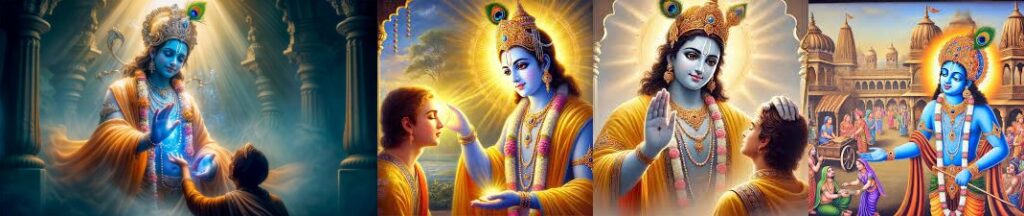
At Vasudeva’s urging the brothers traveled to Chedi, where they were received with affection and a touch of reproach for having taken so long to visit family. Damaghosha privately expressed regret for not helping Mathura during the crisis but admitted that political entanglements made open support impossible.
Shrutashrava brought her infant to Krishna and asked him to heal the deformities that no physician had been able to cure. Krishna lifted the child in his arms, and the extra limbs and third eye disappeared instantly. But instead of celebrating, the queen grew thoughtful. When Krishna asked why, she replied that she had hoped the unusual marks at birth signaled exceptional destiny. Now, with the miraculous signs gone, she feared her son had become merely ordinary.
( to be continued)