

The Lamp That Forgot to Burn
By Lokanath Mishra
In the quiet town of Devgarh lived a respected schoolteacher named Harinarayan Mishra. He was known for his wisdom, honesty, and disciplined life. His wife, Savitri Devi, was the silent strength of the household—gentle, hardworking, and deeply spiritual.
They had one son, Aditya, who had excelled in studies and secured a respectable job in the same city. Harinarayan ji often said with pride, “My son will not only rise high but will also carry forward our values.”

Years passed, and it was time for Aditya to marry. After careful consideration, a match was found with Rakhi, an educated, confident, and modern young woman from a well-off family. Her parents assured, “Our daughter is highly accomplished and independent.”
The marriage was celebrated with simplicity and grace. Harinarayan ji believed that true wealth lay in values, not in grand displays. Initially, everything seemed perfect.
But slowly, subtle cracks began to appear.
Rakhi was polite but distant. She preferred her own space, her own comfort, and her own routine. Household responsibilities did not interest her much. Savitri Devi continued managing everything quietly—cooking, cleaning, and even tending to Aditya’s needs when he returned tired from work.
One evening, Harinarayan ji noticed Savitri Devi coughing heavily while preparing dinner. Concerned, he said,
“Rakhi, could you help your mother for a while?”
Rakhi replied casually, “I’ve never done these things. We always had help at home. I might spoil it.”
The words were simple, but they carried a deep echo.
Days turned into months. Savitri Devi’s health began to decline, yet she never complained. Aditya, busy with his work in the same city, remained largely unaware of the silent suffering at home.
One day, Harinarayan ji gently spoke to his son,
“Aditya, a home is not built by walls but by hearts working together. Your mother is not as strong as before.”
Aditya hesitated, then said, “Times have changed, father. We can hire help. Why expect Rakhi to do everything?”
Harinarayan ji smiled faintly, but his eyes reflected pain.
“I never expected ‘everything.’ I only hoped for ‘something’—a sense of belonging.”
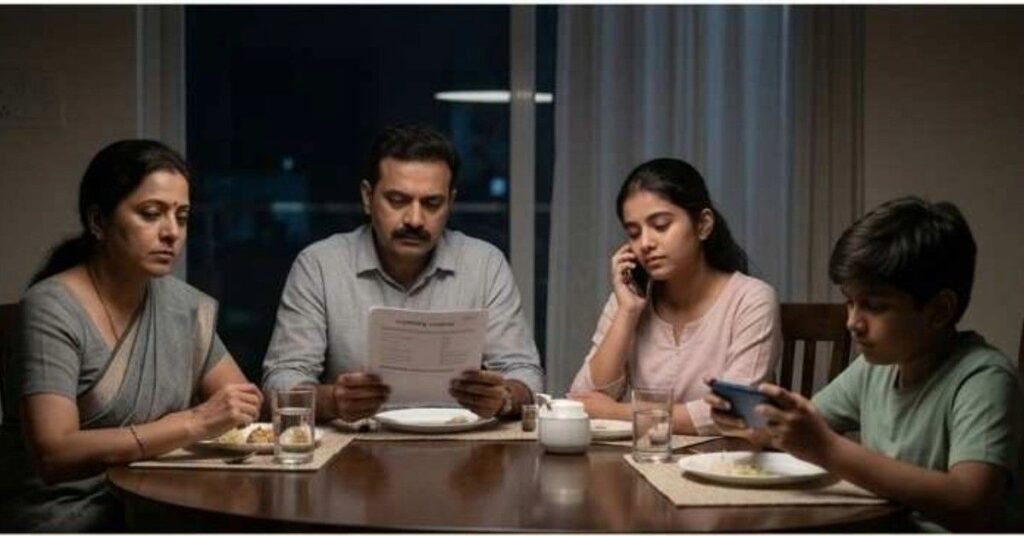
As months passed, the emotional distance in the house widened. Conversations became formal, warmth faded, and the home that once echoed with peace now felt heavy.
One morning, Savitri Devi collapsed due to exhaustion. She was rushed to the hospital. Sitting outside the ward, Aditya felt a strange unease for the first time.
An old nurse approached him and said,
“Your mother reminds me of a lamp. She kept giving light to everyone but forgot to preserve her own oil.”
Her words pierced his heart.
That night, Aditya could not sleep. Memories flooded back—his mother waking early for him, his father teaching him honesty, their sacrifices hidden behind smiles.
For the first time, he saw clearly: success had made him forget the very foundation of his life.
The next day, he spoke to Rakhi—not with anger, but with honesty.
“Rakhi, we both built our lives on comfort, but my parents built theirs on sacrifice. This house needs more than convenience—it needs compassion.”
Rakhi remained silent. For the first time, she looked inward.
She remembered her own mother, who had always shielded her from responsibilities, thinking it was love. But perhaps, something essential had been left untaught.

Gradually, small changes began.
Rakhi started spending time with Savitri Devi after she returned home. She didn’t know how to cook well, but she tried. Sometimes the food lacked taste, but it carried effort. She began helping in small ways—serving water, arranging medicines, sitting beside her mother-in-law during prayer.
One evening, as the family sat together for dinner after a long time, Harinarayan ji noticed something different—the air felt lighter.
Savitri Devi smiled and said softly,
“Today, this home feels alive again.”
Rakhi looked down, her eyes moist.
“I was educated, but I was not aware. I thought independence meant doing things my way. I didn’t realize it also means understanding others.”
Harinarayan ji responded gently,
“True education is not just knowledge—it is sensitivity. And spirituality is not only in places of worship, but in how we treat the people closest to us.”
Years later, Aditya and Rakhi had children of their own. This time, they raised them differently—not just with comfort, but with responsibility and empathy.
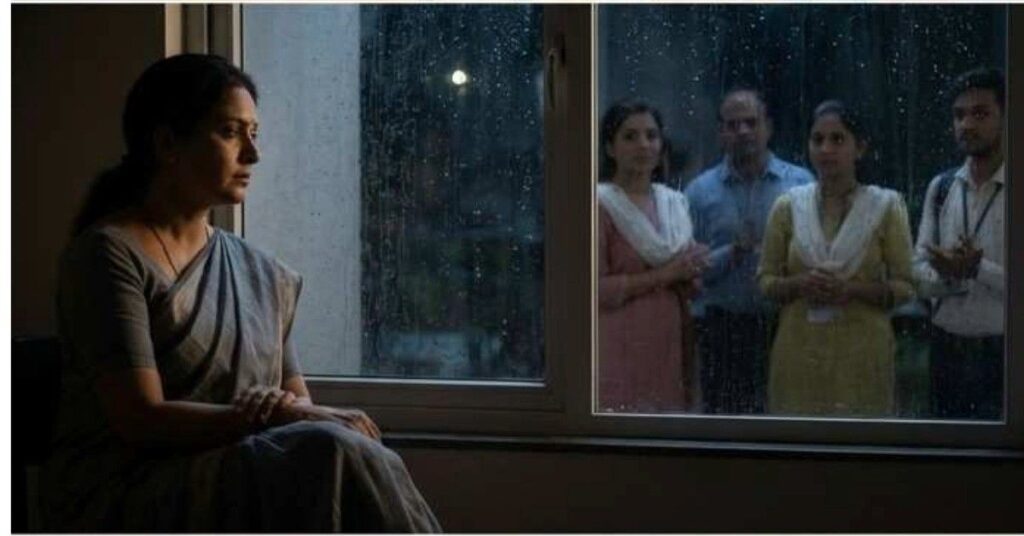
They taught them:
• To respect work, no matter how small
• To value relationships over ego
• To understand that service is the highest form of spirituality
Because they had learned the hard way that—
A house without values becomes just a structure,
But a home with compassion becomes a sacred place.
Message:
In today’s fast-changing world, we often confuse convenience with happiness and independence with detachment. But real fulfillment lies in balance—between modernity and values, between self-growth and family responsibility.
Spirituality is not in rituals alone; it lives in everyday actions—
in helping tired hands,
in understanding unspoken pain,
and in keeping the flame of relationships alive.
Because a lamp does not shine for itself—
it shines for others.