
Makar Sankranti
Makar Sankranti, a vibrant and joyous festival celebrated across India, marks the transition of the sun into the zodiac sign of Capricorn or Makar. This auspicious day, is not just a date on the calendar but a cultural extravaganza that resonates with diverse customs and traditions. Among the many rituals associated with Makar Sankranti, the soaring kites against the azure sky have become an iconic symbol of this festival.
Another reason for flying kites on Makar Sankranti is related to the Hindu religion and mythology. Makar Sankranti is dedicated to the worship of Surya, the sun god, who is considered to be the source of life and energy. Flying kites is a way of expressing gratitude and devotion to the sun god, and also symbolizes the ascent of the sun and the end of the winter solstice. Some people also believe that flying kites helps the soul of the deceased to reach heaven, as the kites are seen as a medium of communication between the earth and the sky.
Makar Sankranti, also known as Uttarayan, marks the northward movement of the sun, signifying the end of winter and the onset of longer days. The word “Makar” refers to the zodiac sign Capricorn, while “Sankranti” denotes the transition of the sun from one zodiac sign to another. This celestial occurrence is celebrated with immense enthusiasm, symbolizing the triumph of light over darkness. The association of kite flying with Makar Sankranti is deeply rooted in the belief that the higher the kite soars, the closer it gets to the divine, capturing the essence of the festival’s spiritual.
According to some experts, the tradition of flying kites on Makar Sankranti has a scientific reason behind it. The festival falls in the winter season, when the weather is cold and dry, and people are prone to infections and illnesses. Flying kites exposes the body to the sun’s rays, which are believed to have healing and cleansing properties. The sun’s rays also stimulate the production of vitamin D, which boosts the immune system and prevents diseases. Moreover, flying kites also involves physical activity, which improves blood circulation and keeps the body warm.
The tradition of kite flying during Makar Sankranti has ancient roots and is believed to have originated in the Indian subcontinent. Historical records suggest that kite flying was a popular pastime among the Mughal emperors also, and it gradually found its way into the cultural fabric of India. The rhythmic swaying of colorful kites in the sky became an integral part of Makar Sankranti festivities, symbolizing the joyous spirit of the changing seasons and the advent of warmer.
In many regions of India, Makar Sankranti is marked by spirited kite flying competitions, adding an element of excitement and skill to the festivities. Participants showcase their kite-flying prowess, aiming to cut the strings of their opponents’ kites in a friendly yet competitive environment. These competitions not only bring communities together but also foster a sense of camaraderie, with participants sharing tips, tricks, and stories while engaging in the exhilarating pursuit of mastering the art of kite flying.
While the association between kite flying and Makar Sankranti is widespread across India, each region adds its own unique flavor to the tradition. In Gujarat, the International Kite Festival attracts enthusiasts from around the world, showcasing a breathtaking display of kites in various shapes and sizes. In Punjab, the festival is celebrated as Lohri, and people engage in friendly kite-flying battles, showcasing the rich cultural diversity that defines Makar Sankranti celebrations across the country.
On 15.01.24, Odisha will celebrate Makar Sankranti with traditional zeal and merriment. Makar Sankranti, also known as Uttarayan, marks the passage of the sun from south to north. This day is considered fortunate by Hindu scriptures because the sun enters the Capricorn (Makar raashi) zodiac sign, which is ruled by Saturn. On this day, people wash in holy waters and visit temples to worship.

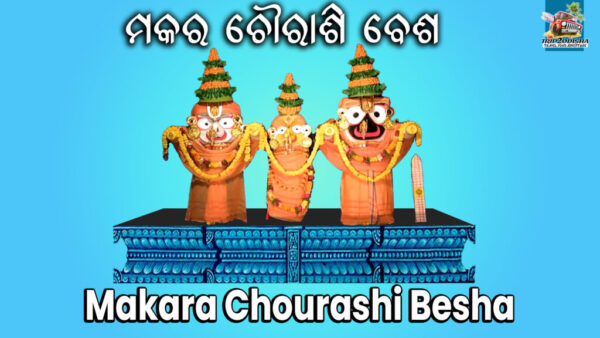
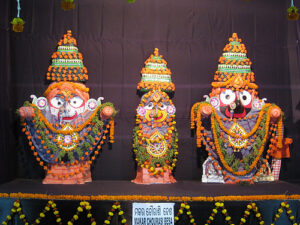
On Makar Sankranti, the Ganga Sargar Mela at Kapil Muni Ashram begins, and unique rites are done at Puri’s Jagannath Temple. Devotees present Lord Jagannath, Lord Balabhadra, Devi Subhadra, and the four Digapalas with ‘Makar Chaula,’ a unique food delicacy made of fresh uncooked rice. Hundreds of worshippers attend the Jagannath Temple in Puri on this day for ‘darshan’ of the deities during ‘Makar Besha,’ when the idols are decorated with garlands of colorful flowers and holy basils.
People have been flocking to the hot springs at Atri in Khordha district and Chandrabhaga in Konark since the morning to commemorate the occasion. People also came to Konark to worship the Sun, which on Makar Sankranti travels from the southern to the northern hemisphere. Devotees traditionally take a sacred plunge in the sea at Chandrabhaga before praying to the Sun. ( by Lokanath Mishra)