My Enchanting Visit to Maa Barunei Temple
By Lokanath Mishra :
On the crisp morning of December 30, 2024, I embarked on a spiritual journey to the revered Maa Barunei Temple, nestled in the picturesque hills of Khurda. I began my day with an early 9 AM departure from Puri, traveling by taxi through the scenic landscapes of Odisha.
As I arrived near the majestic Barunei Pahad at 10:30 AM, I felt a sense of serenity wash over me. The gentle rustle of leaves and the soft chirping of birds created a soothing melody, setting the tone for a peaceful and enriching experience.
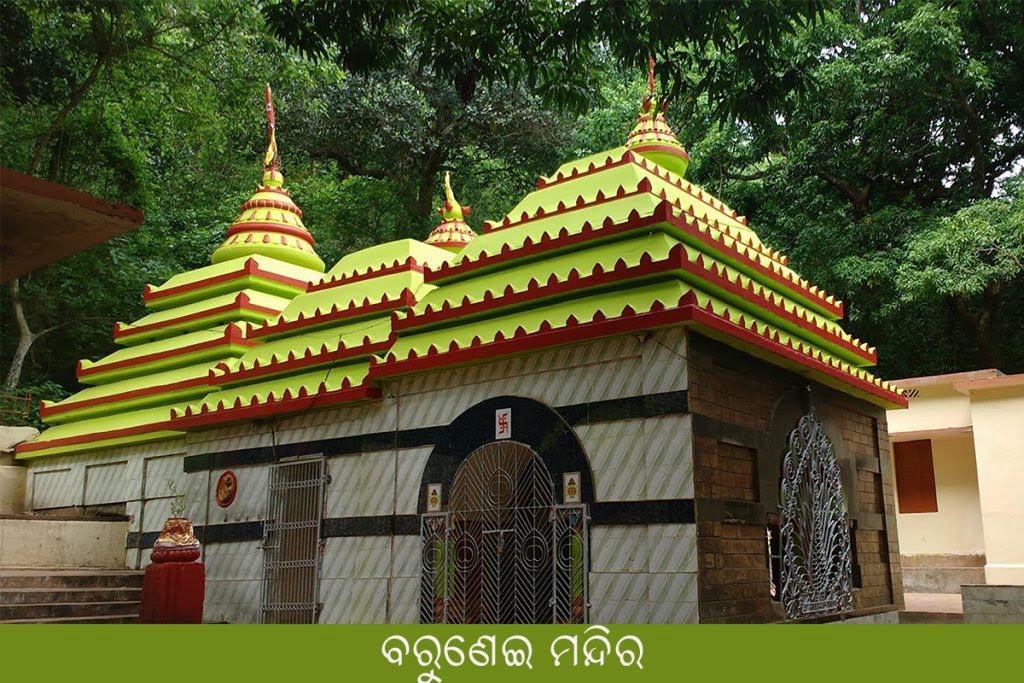
As I stepped out of the taxi, the panoramic view of the surrounding hills and the temple’s majestic structure left me spellbound. I felt a surge of excitement and curiosity, eager to explore the temple’s secrets and bask in the divine energy of Maa Barunei & Maa Karunei:
With a sense of reverence, I began my ascent up the 88 steps leading to the temple. The gentle climb allowed me to absorb the serene atmosphere, taking in the sights and sounds of nature. As I reached the top, the stunning vista of the surrounding landscape unfolded before me.
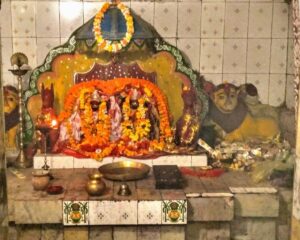
Upon entering the temple, I was struck by the beautiful idols of Maa Barunei, Maa Karunei and Maa Kanaka Durga , the radiating an aura of peace and compassion. The intricate carvings and sculptures adorning the temple walls added to the sacred ambiance, transporting me to a realm of spiritual bliss.
With a sense of devotion, I offered my prayers to Maa Barunei, seeking her blessings and guidance. The tranquil atmosphere of the temple allowed me to connect with the divine, rejuvenating my spirit and nourishing my soul.
Prabhu Hanuman and Prabhu Mahadev are being also worshipped in the temple complex. Maa Barunei Temple is dedicated to the Goddess Barunei and Goddess Karunei, both are manifestation of Shakti. The temple has idols of the twin goddesses Barunei and Karunei in the sanctum sanctorum, idol of Maa Kanaka Durga in Nata Mandap, idols of Shiva Lingam/Prabhu Bhola Shankar and Prabhu Hanuman in the temple complex.
The Barunei Hill is filled with Kundapathar, the hill is 7 km long and 800 meters wide. The height of the hill is about 304.8 meters.
Ma Barunei’s temple is located 150 feet high in the slopes of Baruneipahad. The two sisters or two goddesses worshiped in this temple are Barunei and Karunei. The Barunei throne, built of Kalamuguni stone, sits on the left and on the right side of the Karunei throne. Each statue, dressed in battle costume, is 18 inches high. Adal Kund flows to the foot of the spring through the goddess’s navel . During the Raj festival, a huge fair is held here for 4 days and special worship of the goddess is performed.
Barunei Pahad is very near to Khurda fort (Khoradha gada in Odia) . The most interesting part which I found here is that the induri pitha with nadia pura (country cakes) made at the temple are steamed in cups made of jackfruit leaves offered to Devi Mata and sold to devotees at a cost of 5 rupees each. ( 21 for hundred rupees)
The hill is associated with the rich history of the freedom struggle of the state and especially Khurda, which had the rare distinction of being the last independent fort in India. The fort, which was at the helm of Odishan politics, remained the major fort in the area from 1568AD to 1803AD. The British were not able to take the total control of the fort till 1817 . Khurda was famous for its warrior community or ‘paikas’ as they were brave fighters . The king Ramachandra Dev had established the temple on the hill for the goddess. However, following a series of renovations, the temple has got its distinct look today and people from all corners of the state visit it.
A perennial stream called Swarna Ganga flows down from the hilltop. As the water comes from the top of the hill that has a various medicinal plants, the water has many medicinal qualities and the pond where the water gets stored has become a favourite spot for the tourists to take bath.
In summer and winter, one can trek up the hill. But, this is dangerous between June and October because a lot of vegetation grows during the rains and trekkers could encounter snakes. Local residents claim that the Pandavas had stayed in the caves on this hill.
It is learnt that during Durga puja sarees and mahaprasad of Shri Jagannath temple are sent to Karunei and Barunei. It is said that Gajapati Purusottam Deva after defeating the king of Kanchi had brought Ganesh, Sakhigopal, Karunei and Barunei. Barunei and Karunei regarded as khetreswari of Khurda fort and worshipped by the Paika community . The stone that existed in Barunei during Sri Ramachandra’s exile is known as the Shriram Stone. The goddess Sita washed the pot at the end of the cooking process and said that the water would not dry here until it was created.
As I stood before the temple, I couldn’t help but wonder about the rich history and legends surrounding Maa Barunei and Karunei. According to local lore, the twin sisters Barunei and Karunei were revered as goddesses, worshipped by the ancient inhabitants of the region.
Legend has it that the sisters were incredibly powerful, possessing magical abilities that could heal the sick, grant fertility to the land, and bring prosperity to the people. The locals believed that the sisters’ divine energy still resonated within the hills, and that their worship could bring about miraculous benefits.
Historical records suggest that the Barunei Temple was built during the Ganga dynasty, which ruled Odisha from the 12th to the 15th century. The temple’s architecture, with its intricate carvings and sculptures, is a testament to the region’s rich cultural heritage. As I explored the temple premises, I noticed the presence of two smaller shrines, dedicated to Karunei and other deities. The priest informed me that these shrines were built to honor the twin sisters, emphasizing the importance of their worship in the local tradition.
The story of Maa Barunei and Karunei serves as a reminder of the region’s deep-rooted spiritual heritage, where the divine feminine is revered and worshipped. As I concluded my visit, I felt grateful for the opportunity to experience the sacred energy of this enchanting place.
As I prepared to leave, I felt grateful for the experience, carrying with me memories of the serene beauty and spiritual significance of the Barunei Temple.