
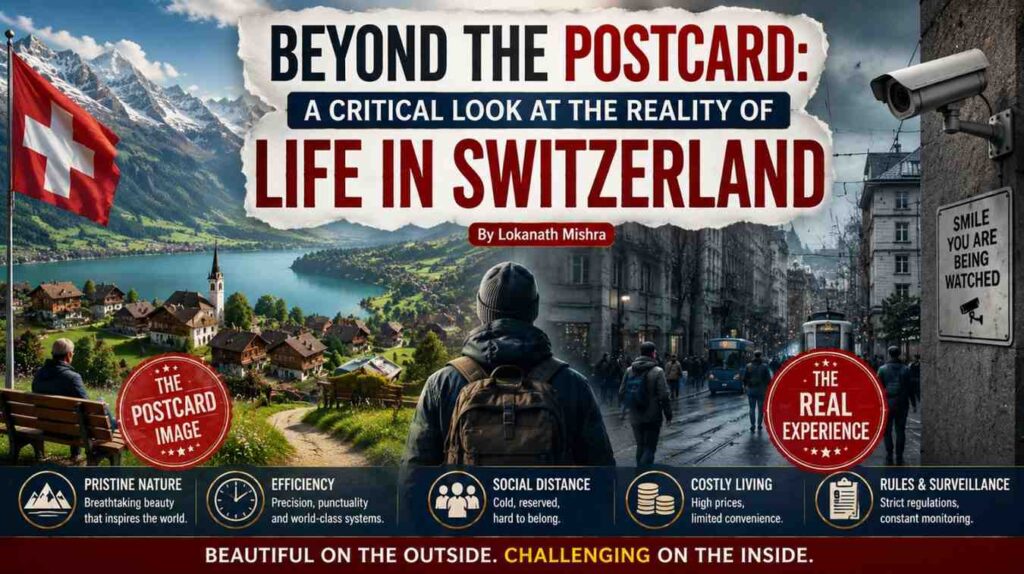
Beyond the Postcard: A Critical Look at the Reality of Life in Switzerland
By Lokanath Mishra
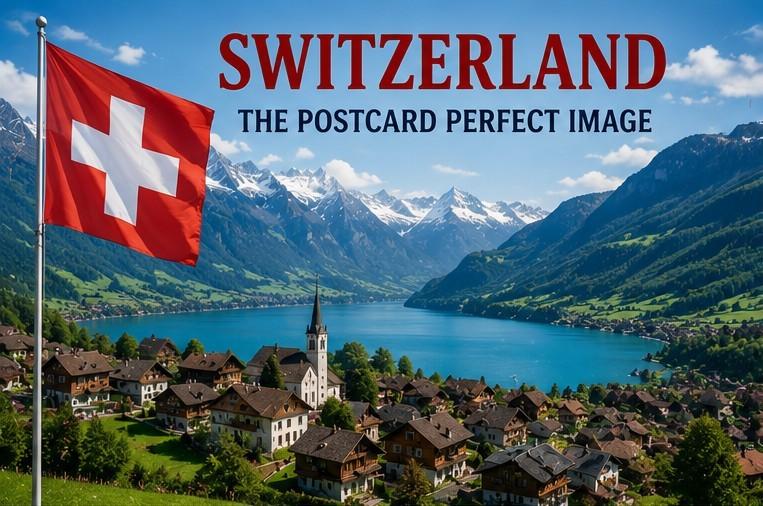
Switzerland is frequently marketed as a global utopia—a land of pristine mountains, clockwork efficiency, and unparalleled stability. However, for those who experience the country not as tourists but as long-term residents, the reality can diverge sharply from the idealized image.
For some who have spent years navigating the Swiss system, the experience is not one of freedom and comfort, but of stifling regulation, social isolation, and an unrelenting focus on the bottom line.
The Panopticon of the Alps
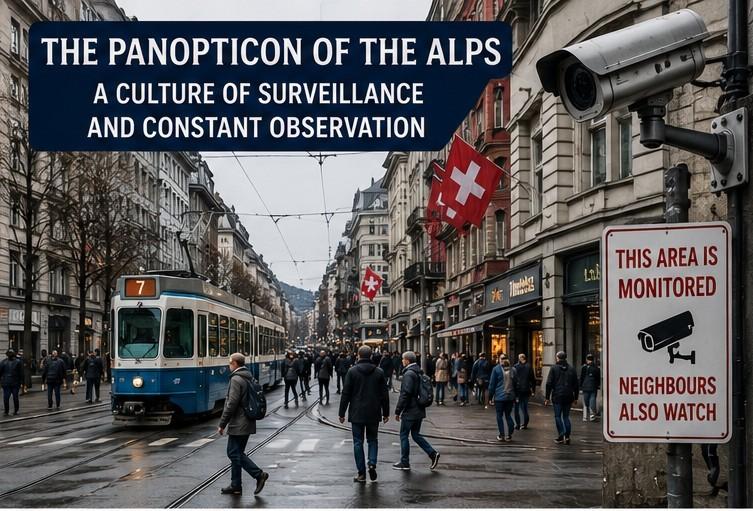
Perhaps the most jarring aspect for newcomers is the pervasive sense of surveillance. Far from being a land of rugged individualism, daily life in Switzerland is heavily dictated by social monitoring. The prevailing sentiment is that one is constantly under observation, not just by authorities, but by neighbors.
The rationale often provided is that the community serves as the primary enforcement mechanism for social norms. When asked about the lack of security measures in private homes, a common refrain is, “You have neighbors.” In this environment, the public is encouraged to report rule-breaking, creating a culture where conformity is expected and deviations are met with swift, often “draconic” fines. For those accustomed to more private or flexible societies, this can feel less like a functioning democracy and more like a high-functioning, observation-heavy administrative state.
The Myth of Premium Service
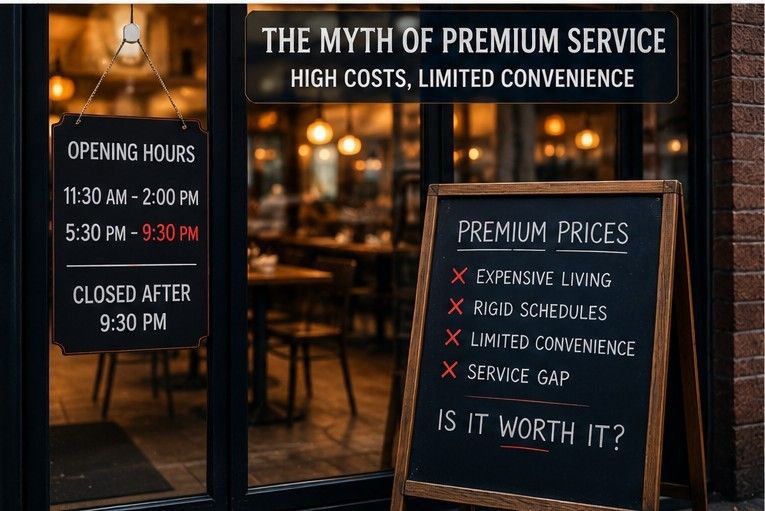
Switzerland is famously expensive, with a cost of living that is consistently among the highest in the world. However, residents often report a striking disconnect between these prices and the quality or availability of services.
Rigid Scheduling: A notable point of contention is the lack of “easy living.” Restaurants often close their doors by 9:30 PM, prioritizing the personal time of service staff over customer convenience.
The Service Gap: Many residents feel that the level of service provided does not reflect the premium costs they pay, arguing that in many sectors, the convenience and customer-centricity found elsewhere are notably absent.
The Social Wall
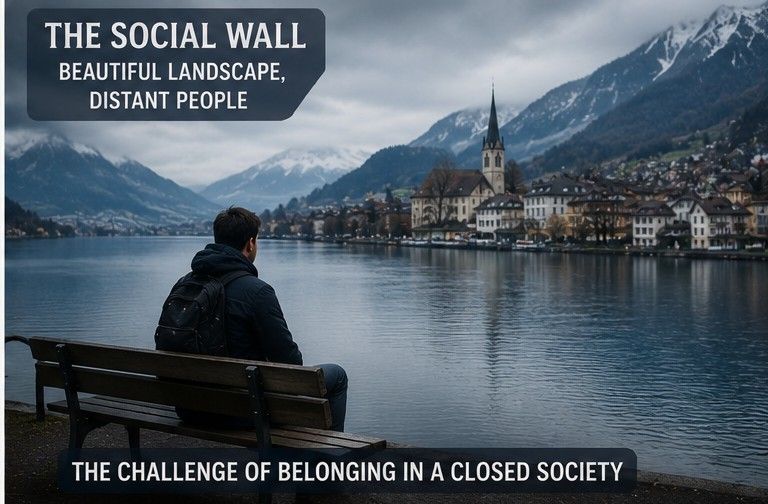
Beyond the bureaucratic and financial hurdles, there is the often-cited difficulty of social integration. While the Swiss landscape is world-class, the social climate is frequently described as “distant.”
For expatriates and long-term residents, making genuine, open-hearted connections can feel like an impossible task. The culture often prizes privacy and established social circles, leaving newcomers to navigate an environment that can feel cold or exclusionary. This lack of warmth can contribute to a sense of profound alienation, turning a three-year stay into a long, isolating experience.
A Country Ruled by Profit
Underpinning every aspect of Swiss life is the perception that the entire country is managed with an uncompromising focus on money and profit. This ethos, according to many, dictates everything from infrastructure to social policy. Every action is calculated, every resource is commodified, and there is little room for spontaneous, non-transactional living.
A Different Perspective
It is important to acknowledge that the traditional narrative of Switzerland—as a peaceful, orderly, and beautiful haven—is not the only narrative that exists.
For those who have lived the reality of high costs, intense social policing, and isolation, the “Swiss dream” can feel more like a rigid, profit-driven machine. While some may rush to defend the country’s systems as necessary for its prosperity, these defenses ignore the lived experience of those who find the environment stifling, disconnected, and fundamentally at odds with a relaxed, open way of life. When the beauty of the Alps is obscured by the weight of constant surveillance and social exclusion, the “best place to live” can quickly become an exhausting place to survive.
The everyday life in Switzerland sounds like a mix of beauty and routine. What surprised you most about living there?