
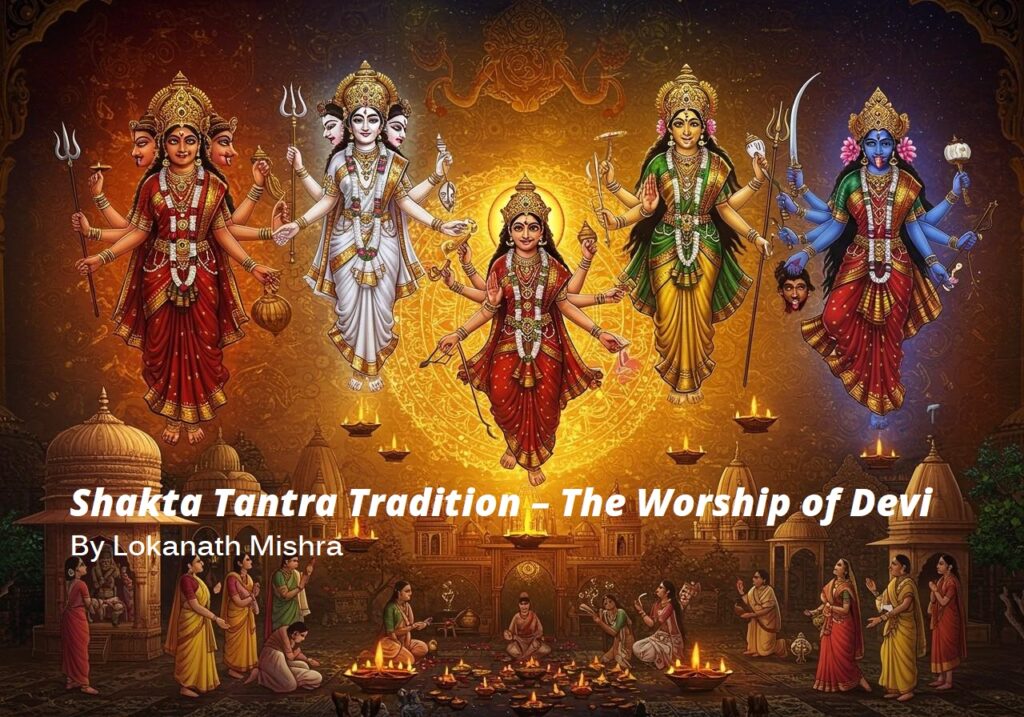
Shakta Tantra Tradition – The Worship of Devi
By Lokanath Mishra
Hinduism has many paths of worship, but three major traditions are recognized: Shaiva (worship of Shiva), Vaishnava (worship of Vishnu), and Shakta (worship of the Mother Goddess, Shakti or Devi). Among these, the Shakta tradition is unique because it celebrates the Divine Feminine as the highest reality.
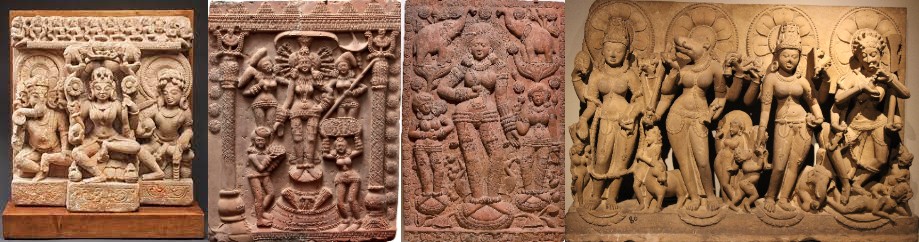
What is Shaktism?
The Shakta tradition, also known as Shaktism, considers Shakti—the goddess or divine energy—to be the supreme power of the universe. She is worshipped as both gentle and fierce, nurturing and destructive, depending on her form. In her kind forms, she is Amba, Parvati, or Durga, while in her fierce forms, she appears as Kali, Chandi, or Chamunda.
Unlike other Hindu traditions that often see the Supreme Being as male (Shiva or Vishnu), Shaktism places the female principle, Shakti, at the very center. She is regarded as the creator, sustainer, and destroyer of the cosmos.
Shakta Practices and Traditions
The Shakta tradition involves many unique rituals and practices:
• Offerings of Fish and Meat: In several regions, devotees offer fish and mutton to the goddess. These offerings are considered sacred and are later eaten as prasad (blessed food).
• Animal Sacrifice: In some places, especially in rural traditions, animal sacrifice is still practiced as a way of offering life energy to the goddess.
• Tantric Rituals: Shaktism includes many tantric practices that focus on awakening inner energy and connecting with the divine. These may involve mantras (sacred chants), yantras (mystical diagrams), mudras (hand gestures), pujas (worship rituals), and meditation.
Shaktism is widely practiced in Uttarakhand, Himachal Pradesh, Nepal, West Bengal, Assam, Tripura, Odisha, Jharkhand, South Bihar, and Manipur.

Shakta Tantra – Philosophy and Core Concepts
Shakta Tantra is both a religious and philosophical tradition. It sees the entire universe as a play of Shakti, the cosmic energy. Some of its main ideas are:
1. Shakti as the Supreme Power: She is the creative and dynamic energy behind everything in existence.
2. Goddess Worship: Devotees worship the Mother Goddess as the highest form of reality.
3. Kundalini Awakening: Special yogic practices aim to awaken the Kundalini Shakti (spiritual energy coiled at the base of the spine) to achieve higher consciousness.
4. Integration of Life: Shaktism teaches that the material and the spiritual are not separate. Worldly pleasures and spiritual growth can both be honored as forms of Shakti.
Different Paths in Shaktism
There are three main traditions within the Shakta path:
1. Vama or Kaula Marga (Left-hand path) – Known for unusual and secret rituals, which may involve the pancha-makaras (five M’s): wine, meat, fish, grains, and ritualized sexual practices. These are not for indulgence, but to test and transform the mind, keeping it fixed on the goddess. Some extreme rituals may even take place in cremation grounds to overcome fear and attachment.
2. Dakshina or Samayika Marga (Right-hand path) – Follows more traditional Vedic-style worship, emphasizing purity, kundalini yoga, and devotion to the goddess.
3. Mishra Marga (Mixed path) – Combines elements of both, using yantras, mantras, and deity worship to connect with the goddess.

Texts and Teachings
The main scriptures of Shaktism are called Tantras or Agamas. There are said to be 64 Tantra texts, many written in the form of dialogues between Shiva and Parvati. In Shaiva texts, Shiva teaches; in Shakta texts, it is the goddess who gives the wisdom.
Other important scriptures include the Devi Mahatmya, Devi Bhagavata Purana, and Tantric texts like the Yogini Tantra.
Types of Followers
Shakta texts describe three kinds of devotees:
• Pashu-adhikari: The lowest type, bound by instincts and desires.
• Vira-adhikari: The intermediate type, struggling to overcome desires.
• Divya-adhikari: The highest type, already beyond worldly attachments, who sees the goddess everywhere.
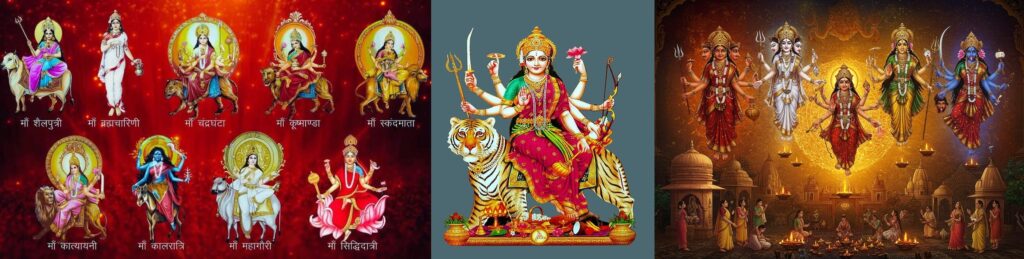
Cultural and Spiritual Significance
Shaktism is not just about worship but also about a worldview:
• The Divine Feminine is celebrated as the source of life and power.
• Festivals like Durga Puja and Kali Puja in Bengal , Odisha and Assam, and Ambubachi Mela in Assam, are major celebrations of Shakti. Some extent the Raja festival in Odisha also.
• Spiritually, Shaktism teaches that union with the goddess is the ultimate liberation (moksha).
A Living Tradition
Shaktism continues to thrive today in many parts of India and Nepal. It blends deep philosophy with powerful rituals. Some aspects—like animal sacrifice—remain controversial, but others—like devotion through prayer, meditation, and festivals—are embraced widely.
At its heart, the Shakta tradition reminds devotees that the Divine Mother is both nurturing and fierce, compassionate and powerful. She is the energy of the universe, and by worshipping her, one seeks both material blessings and spiritual liberation.
Durga Puja: devotional narration of Navadurga from the fifth day to the ninth day during Navaratri
Puranic narration: Durga Puja: 3rd and 4th day
The Divine Journey of Lokanath Mishra
The Journey of Navaratri – A Devotee’s Story
Today, Shaktism is a vibrant tradition blending profound philosophy and ritual practice. While controversial aspects (like sacrifice) persist in some places, devotion through prayer, meditation, and festival celebration is predominant. The tradition affirms that the Divine Mother is both fierce and compassionate, guiding devotees toward both material prosperity and spiritual freedom.
Pingback: Durga Puja in America: Preserving Heritage, Celebrating Community - UniverseHeaven