
The Door That Never Truly Closes
By Lokanath Mishra
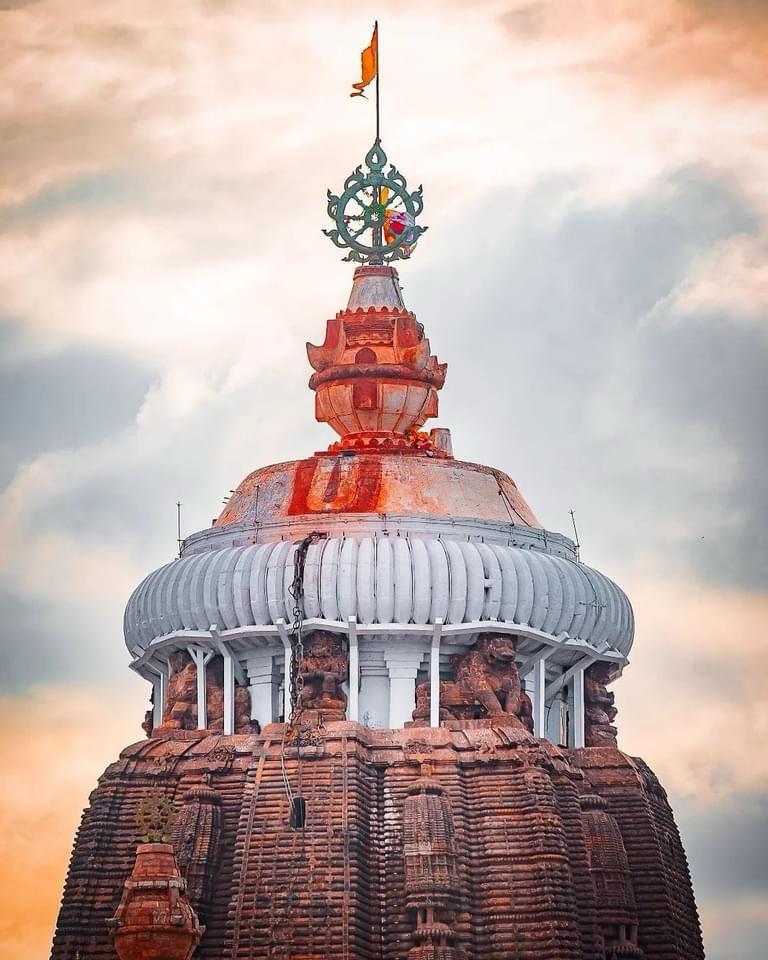
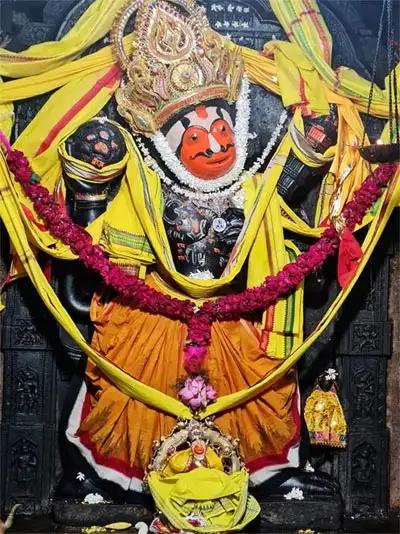
In the sacred coastal city of Puri, where the bells of the Bedi Hanuman Temple mark the hours and the endless sea whispers lessons of surrender, lived Aditya Rath and Meera Tripathi.
Aditya was a man of restraint—calm on the surface, storms within. Meera carried devotion in her eyes and compassion in her breath. Their marriage was not merely a sacred fire ritual, but a joining of two lineages, two belief systems, and many silent expectations that tradition never speaks aloud.
On the fourth night after their wedding, when the fragrance of flowers still lingered in the room and oil lamps flickered softly, Aditya closed the wooden door of their chamber. The sounds of the world faded, as if the universe paused to listen.
With a gentle smile that carried seriousness beneath it, he said,
“Meera, let us make a vow. No matter who knocks on this door—joy or sorrow, blood or bond—we shall not open it. Let this space remain untouched, like a sacred sanctum.”
Meera looked at him, startled yet trusting. Love often agrees before wisdom questions. She folded her palms slightly and replied,
“I promise, Aditya.”
The vow was sealed in comfort. Destiny waited for the right moment to test it.
The First Knock
The very next evening—the fifth night—at exactly 9:30 PM, footsteps echoed in the courtyard. A knock followed—slow, familiar, burdened with years.
“Aditya…”
It was his father’s voice, aged and hesitant.
“Your mother’s medicine is in your room. She kept it there earlier. I need it urgently.”
Aditya rose at once. He stood inches from the door, his heartbeat louder than the knock. In his mind flashed scenes of childhood—his mother staying awake through fevers, his father standing firm through storms of hardship.
Meera stood behind him, silent as prayer.
His hand reached for the latch… then stopped.
The vow echoed louder than blood.
His lips trembled as he whispered,
“Forgive me.”
The door did not open.
Outside, the footsteps slowly retreated. The courtyard absorbed the disappointment of parents who had given their entire lives, yet returned empty-handed.
Aditya sat down, his shoulders heavy, eyes hollow. He did not weep—but somewhere deep within, his dharma cracked.
The Second Knock
A month passed.
One night at 10 PM, another knock echoed—gentler, almost afraid.
“Meera beta…”
It was her mother.
Meera froze. Her breath caught, as if time itself paused. Tears welled up—tears carrying childhood, sacrifices, sleepless nights.
She turned toward Aditya, silently asking him to stop her.
He said nothing.
In that silence, Meera heard a deeper truth. The scriptures remind us that dharma without karuṇā (compassion) becomes adharma.
With trembling hands and a breaking voice, she said,
“I can shut my eyes to the world… but not to my parents.”
The door opened.
Her parents stepped inside, relief flowing through their tired faces like a blessing. The room felt lighter, as if truth itself had entered.
Aditya watched quietly.
No anger.
No accusation.
Only understanding—because love cannot be argued with.
Time Writes Its Own Shlokas:
Years rolled on like waves upon the shore.
Meera and Aditya were blessed with three sons—Aarav, Gaurav, and Kunal. Life moved in familiar rhythms: duties, responsibilities, quiet celebrations.
Then one evening, under a sky glowing with peace, a daughter was born.
They named her Ananya—the irreplaceable one.
To everyone’s surprise, Aditya arranged a grand celebration. Lamps illuminated the house brighter than ever before, flowers adorned every corner, and joy overflowed like sacred prasad.
Meera, astonished, finally asked him,
“You rejoiced quietly when our sons were born. Why such celebration for Ananya?”
Aditya lifted his daughter, her tiny fingers curling around his thumb. His eyes softened with wisdom shaped by time.
He smiled and said,
“Because when time tests me again… when the world stands outside my door… this daughter will open it.”

Tears rolled down Meera’s cheeks—not of sorrow, but awakening.
The Eternal Truth:,
She finally understood.
Sons are taught to face the world.
Daughters are taught to hold it together.
A daughter may walk away from her home,
but her consciousness never leaves.
She remembers.
She returns.
She opens doors—not just of houses, but of hearts.
The Spiritual Message
The Bhagavad Gita teaches us that compassion is the soul of dharma.
Rules without empathy are hollow.
Promises without humanity are fragile.
Traditions must bow before truth.
And often, it is through a daughter’s gentle courage that life restores what rigid vows once closed.
For doors may close by words…
but the heart knows when they must open.

🙏🙏🙏🙏