
Strengthening CGHS for Pensioners and Senior Citizens in India
A Call for Comprehensive Reforms in the Central Government Health Scheme
By Lokanath Mishra, the Chief Adviser, The All India Pensioners Association of CBIC ( 9437314941)
The Central Government Health Scheme (CGHS) is one of the most important welfare measures introduced by the Government of India for serving and retired central government employees. Over the decades, the scheme has provided valuable healthcare support to pensioners, Members of Parliament, retired judges, journalists, and other eligible beneficiaries. For lakhs of retired employees, especially senior citizens, CGHS acts as a protective shield against rising medical expenses and health insecurity during old age.
At the time of retirement, pensioners contribute substantial amounts according to their pay level to avail CGHS facilities. In many cases, they also forgo the Fixed Medical Allowance (FMA). Therefore, pensioners legitimately expect timely, dignified, and comprehensive medical treatment. While the scheme has many merits, there remain several shortcomings that require urgent reforms and modernization.
Respect for Specialist Prescriptions
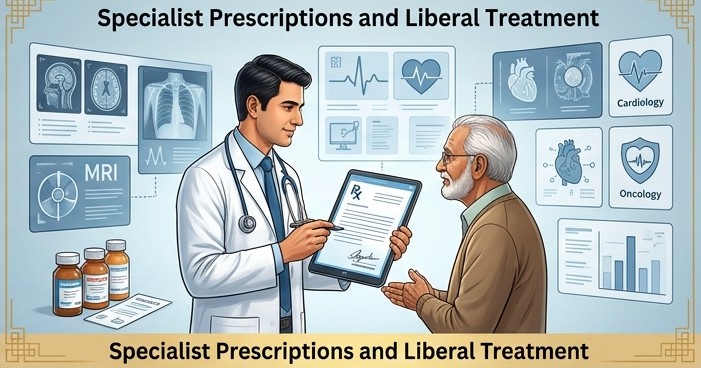
One of the major grievances of pensioners is the frequent change of medicines prescribed by specialist doctors at CGHS wellness centres. Senior citizens suffering from chronic diseases such as cardiac disorders, kidney ailments, diabetes, neurological problems, liver disease, psychiatric disorders, and cancer often remain stable on specific medicines for years.
When prescribed medicines are altered due to procurement policy or administrative convenience, it creates confusion, anxiety, and health risks for elderly patients. CGHS wellness centres should therefore strictly honor the prescriptions given by authorized specialists. Medicines should not be substituted unnecessarily.
Patient welfare must receive priority over procedural rigidity.
Liberal Treatment Facilities for Critical Diseases
CGHS should adopt more liberal and compassionate provisions in cases involving serious diseases and specialized treatment related to:
- Heart diseases
- Brain and neurological disorders
- Kidney diseases and dialysis
- Liver ailments
- Lung diseases
- Cancer treatment
- Eye treatment and surgeries
- Dental care
- Orthopaedic disorders
- Mental health and psychiatric treatment
Senior citizens often require urgent medical attention. Delays caused by referrals, approvals, or restrictive procedures can worsen health conditions. The scheme must therefore become more humane and patient-oriented.
Mandatory Empanelment of Reputed Private Hospitals
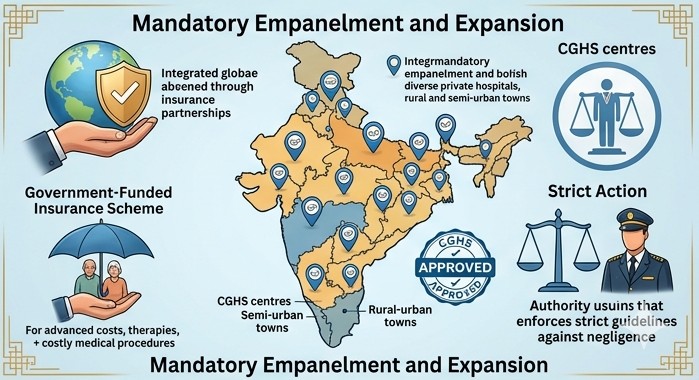
Many reputed private hospitals receive substantial indirect and direct benefits from the government, including land concessions, subsidies, tax benefits, infrastructure support, and patient referrals. Therefore, all major reputed private hospitals should be mandatorily empanelled under CGHS.
Pensioners should not suffer due to limited hospital choices or denial of quality treatment. A wider network of empanelled hospitals would ensure better access to specialized care across the country.
Periodic Revision of CGHS Hospital Rates
One important issue affecting the smooth functioning of CGHS is the outdated package rates fixed for private hospitals. Many hospitals hesitate to provide quality cashless treatment because CGHS reimbursement rates often do not match current medical costs.
Therefore, CGHS package rates should be revised automatically at regular intervals based on the price index, inflation, and rising healthcare expenditure. A scientific mechanism for annual or periodic revision of rates should be introduced.
This will encourage reputed hospitals to continue under CGHS and provide better treatment facilities to beneficiaries without disputes or reluctance.
Strict Action Against Negligence
If any empanelled hospital indulges in negligence, overcharging, denial of treatment, harassment of pensioners, or unethical practices, strong action should be taken immediately. Repeated violations should result in:
- Suspension from CGHS panel
- Financial penalties
- Cancellation of empanelment
- Cancellation of licenses in grave cases
Hospitals serving senior citizens must remain accountable and transparent.
Dignified Treatment of Senior Citizens
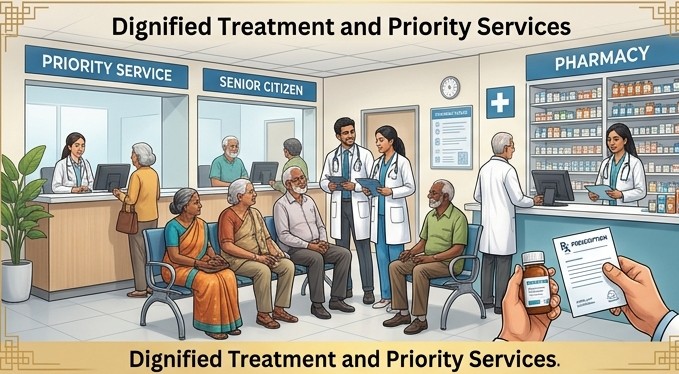
Senior citizens deserve compassion, patience, and respect. Unfortunately, many elderly pensioners are compelled to stand in long queues for consultation, medicine collection, or administrative formalities.
Separate counters and priority services should be introduced for very old and seriously ill beneficiaries. Staff members at wellness centres should receive training in elderly care and courteous public behavior.
Healthcare is not merely a technical service; it is also a matter of human dignity.
Posting of More Doctors and Staff
Many CGHS wellness centres are overburdened due to shortage of doctors, pharmacists, nurses, technicians, and clerical staff. As a result, pensioners face overcrowding and long waiting hours.
The government should urgently appoint more doctors and supporting personnel in CGHS wellness centres. Specialist consultations should also be increased to reduce dependence on referrals.
Pharmacy Facilities in Every Wellness Centre
A fully functional pharmacy should be established in each and every CGHS wellness centre. Indented medicines prescribed to pensioners should be supplied on the same day without unnecessary delay.
Senior citizens should not be forced to visit multiple centres or private pharmacies repeatedly for essential medicines. Continuous and timely supply of medicines is the backbone of any successful health scheme.
Availability of Diagnostics and Emergency Care
Advanced diagnostic facilities such as MRI, CT scan, dialysis, pathology tests, and cardiac investigations should be made easily accessible without prolonged waiting periods.
Emergency treatment procedures should also be simplified so that pensioners can immediately avail treatment during critical situations without procedural confusion.
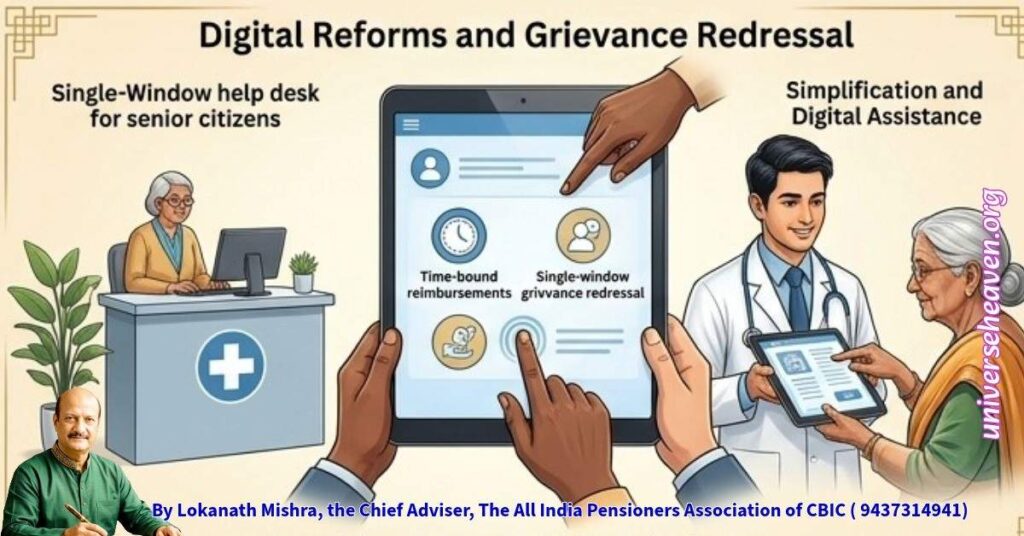
Simplification and Digital Reforms
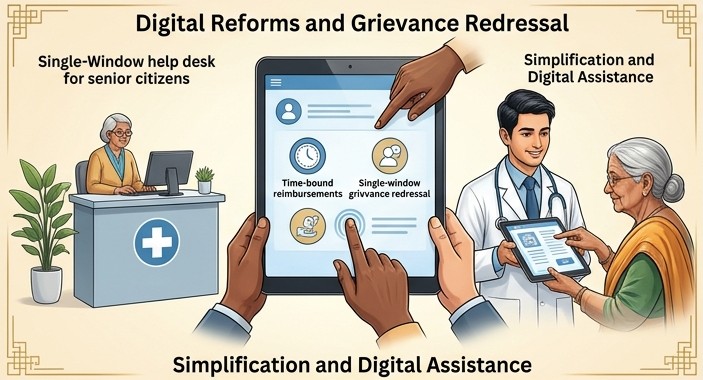
CGHS procedures relating to referrals, approvals, reimbursements, and documentation should be simplified considerably. Many elderly pensioners find digital systems difficult to handle.
The government should therefore introduce:
- Simple online systems
- Single-window grievance redressal
- Time-bound reimbursements
- Digital health records
- Help desks for senior citizens
- Mobile medical assistance for elderly beneficiaries
Technology should assist pensioners rather than burden them.
Expansion of CGHS to Rural Areas and Abroad
A large number of pensioners reside in villages, semi-urban towns, and remote districts after retirement. CGHS facilities should therefore be expanded beyond metropolitan cities and district headquarters.
At the same time, the government should consider extending CGHS facilities abroad through insurance partnerships or reimbursement mechanisms. Many pensioners live overseas with their children during old age and require medical security there as well.
Introduction of Government-Funded “Paripoorna” Health Insurance Scheme:
The Government of India has introduced the Paripoorna Health Insurance Scheme with the objective of providing additional medical protection to beneficiaries. However, this scheme should be made fully government-funded without collecting any premium or contribution from pensioners and beneficiaries.
Retired employees and senior citizens are already contributing substantially for CGHS facilities during retirement and many of them also surrender the Fixed Medical Allowance (FMA). Therefore, imposing additional financial burden upon elderly pensioners for supplementary insurance coverage would be unfair and contrary to the welfare spirit of the State.
The Paripoorna Health Insurance Scheme should function as a complementary support system to CGHS and should specifically cover:
- Diseases and procedures not covered under CGHS
- Treatments in non-empanelled hospitals during emergencies
- Advanced and costly medical procedures
- Specialized surgeries and therapies
- Critical illnesses requiring treatment outside the CGHS network
- Medical treatment abroad where necessary
- Expenses relating to long-term and post-hospitalization care
Such a scheme would provide comprehensive healthcare security to pensioners and senior citizens who often face enormous financial stress during serious illness.
The government should therefore bear the full financial responsibility of this insurance scheme as part of its constitutional and moral obligation toward retired public servants who dedicated their lives to national service. The proposed scheme would strengthen social security and ensure that no pensioner is denied proper treatment due to financial limitations or technical exclusions under CGHS.
Need for Consideration by the 8th Central Pay Commission
The forthcoming 8th Central Pay Commission should carefully examine all issues relating to CGHS and pensioners’ healthcare. Medical security is as important as salary and pension revision.
The Commission should recommend:
- Better healthcare infrastructure
- Liberal treatment provisions
- Adequate staffing
- Regular revision of hospital package rates
- Improved medicine supply systems
- Wider empanelment of hospitals
- Better grievance redressal mechanisms
- Enhanced healthcare support for senior citizens
The welfare of pensioners should remain a national priority.
Conclusion
The Central Government Health Scheme has undoubtedly provided immense support to retired employees and their families. However, changing healthcare realities, increasing life expectancy, and rising medical costs demand comprehensive reforms in the system.
CGHS must evolve into a modern, efficient, transparent, and compassionate healthcare mechanism where senior citizens receive timely treatment with dignity and respect. Specialist prescriptions should be honored, reputed hospitals should be compulsorily empanelled, medicines should be supplied promptly, and healthcare access should become more liberal and humane.
A nation that respects its pensioners and senior citizens reflects true civilization and gratitude toward those who devoted their lives to public service. Strengthening CGHS is therefore not merely an administrative necessity but also a moral and social responsibility of the State.
Very notable points are covered specifically the following- which are most important
* Regular revision of hospital package rates
* Wider empanelment of hospitals.
*It is suggested that the
CGHS APP should be updated to see availability Eligible Specialised Medical Services Approved by the Department to verify at any point of requirement.