

Father’s Day : Honouring the Guiding Light of Life
By Lokanath Mishra, Jenamath Lane, Puri.
Introduction :
Father’s Day is a special occasion celebrated across the world to honour fathers and father figures who dedicate their lives to the welfare, protection, and development of their children. It is a day of gratitude, remembrance, and reflection. While gifts and celebrations mark the occasion externally, the true significance of Father’s Day lies in recognizing the invaluable role that fathers play in shaping the character, values, and destiny of future generations.
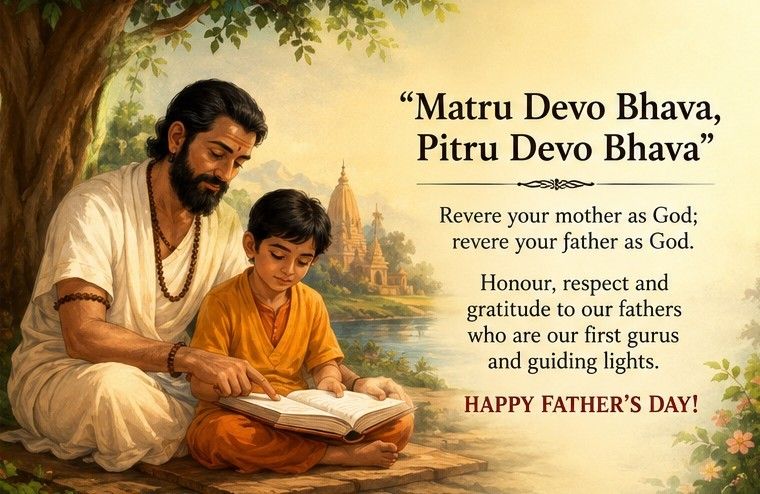
A father is not merely a biological parent; he is a teacher, protector, mentor, provider, and guide. His sacrifices often remain unnoticed, yet they form the foundation upon which families and societies stand. Father’s Day offers an opportunity to express appreciation for these silent contributions and to reflect upon the spiritual dimensions of fatherhood.
Historical Background of Father’s Day
The modern observance of Father’s Day originated in the early twentieth century. It is widely believed that the first official Father’s Day celebration was organized in 1910 in Spokane, Washington, USA, through the efforts of Sonora Smart Dodd. Inspired by Mother’s Day, she wished to honour her father, William Jackson Smart, a Civil War veteran who single-handedly raised his children after the death of their mother.
Over time, the observance gained popularity and spread to many countries. Today, Father’s Day is celebrated on different dates worldwide, though many nations observe it on the third Sunday of June.
The Role of a Father in Family Life
A father’s influence extends far beyond material support. He contributes significantly to the emotional, intellectual, moral, and spiritual growth of his children.

- The Provider
A father often assumes the responsibility of ensuring the family’s well-being. Through hard work and perseverance, he creates opportunities for his children to receive education, healthcare, and a secure future.
- The Teacher
Children learn many of life’s most important lessons by observing their fathers. Honesty, discipline, courage, patience, and responsibility are often transmitted through example rather than instruction.
- The Protector
A father provides security and confidence. His presence gives children the strength to face challenges and uncertainties.
- The Mentor
A wise father guides his children through life’s complexities. He helps them distinguish right from wrong and encourages them to pursue noble goals.
- The Friend
As children mature, a father often becomes a trusted friend and counsellor. His experiences become a source of wisdom that helps the younger generation navigate life’s journey.
Fatherhood in Spiritual Traditions
Across cultures and religions, fatherhood is regarded as a sacred responsibility.
In Hindu philosophy, parents are considered visible manifestations of the Divine. The ancient injunction “Matru Devo Bhava, Pitru Devo Bhava” means “Revere your mother as God; revere your father as God.” This teaching emphasizes gratitude, respect, and service toward parents.
The Vedas, Upanishads, Ramayana, Mahabharata, and Bhagavad Gita contain numerous examples highlighting the duties and virtues of fathers. A righteous father not only provides material support but also nurtures spiritual values in his children.
In Christianity, God is often referred to as the Heavenly Father, symbolizing unconditional love, protection, and guidance. The Bible instructs children to honour their father and mother and encourages fathers to raise their children with wisdom and compassion.
Similarly, in Islam, great importance is attached to respecting parents. The sacrifices made by fathers in providing for and educating their children are considered acts worthy of honour and gratitude.
Thus, spiritual traditions universally recognize fatherhood as a sacred trust bestowed by the Divine.
Lessons from Great Fathers in History
History offers numerous examples of exemplary fathers whose guidance shaped great personalities.
King Dasharatha’s devotion to his sons, particularly Lord Rama, demonstrates paternal affection and commitment to righteousness.
Pandu and Dhritarashtra in the Mahabharata remind us of the immense responsibilities fathers bear in guiding their children. The successes and failures of future generations often reflect the values imparted by parents.
Modern history also provides countless examples of fathers who, through sacrifice and determination, enabled their children to become scholars, leaders, scientists, artists, and servants of humanity.
Spiritual Messages of Father’s Day

Father’s Day is more than a social celebration; it is an occasion for spiritual introspection.
Gratitude
Gratitude is among the highest virtues. Remembering a father’s sacrifices cultivates humility and appreciation. Many fathers silently endure hardships so that their children may live comfortably.
Respect
Respect for parents is the foundation of ethical living. Honouring one’s father develops character and strengthens family bonds.
Responsibility
Fatherhood teaches responsibility. Every father is called to act with integrity, compassion, and wisdom. Children, in turn, have the responsibility to care for their parents in old age.
Selfless Service
A father’s life often exemplifies selfless service. His willingness to place the family’s welfare above personal comfort reflects a spiritual ideal of sacrifice.
Legacy of Values
Material wealth may diminish, but values endure. The greatest inheritance a father can leave is not property but character, faith, knowledge, and noble conduct.
Remembering Fathers Who Have Passed Away
For many people, Father’s Day is also a time of remembrance. Those whose fathers are no longer physically present can honour their memory through prayer, charitable acts, and by living according to the values they taught.
The influence of a good father never truly disappears. His teachings continue to guide future generations, becoming a living legacy.
Challenges of Modern Fatherhood

Contemporary society presents new challenges for fathers. Rapid technological changes, demanding careers, social pressures, and changing family structures require fathers to balance professional responsibilities with emotional presence.
Today’s fathers must not only provide materially but also invest time in listening, understanding, and nurturing their children’s emotional and spiritual well-being. The quality of time spent with children is often more valuable than material gifts.
Conclusion
Father’s Day is a celebration of love, sacrifice, duty, and spiritual responsibility. It reminds us that fathers are among the greatest architects of human character and civilization. Their guidance shapes families, communities, and nations.
As we celebrate Father’s Day, let us express our heartfelt gratitude to all fathers—living and departed. Let us honour their sacrifices, cherish their wisdom, and uphold the values they have imparted.
May every father be blessed with health, happiness, strength, and spiritual fulfilment. May their noble example inspire future generations to walk the path of truth, compassion, and righteousness.
“A father’s greatest gift to his children is not merely what he provides for them, but what he inspires them to become.”
Happy Father’s Day to all fathers who illuminate the path of life with love, wisdom, and selfless devotion.