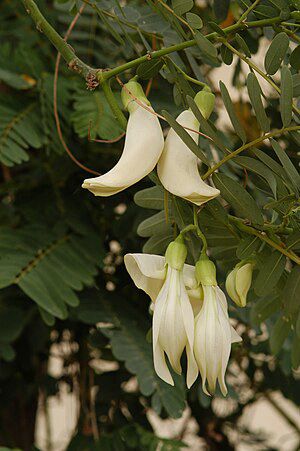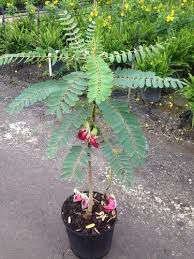
In Prabhu Shri Jagannath Temple, Puri, Mahaprasad is cooked only in earthen pots and medium of food is fire wood only. The steam-cooked food is offered to Lord Jagannatha and his siblings first and then to Goddess Bimala after which it becomes Mahaprasad. This Mahaprasad is freely partaken by people of all castes and creeds without any discrimination. In the month of Kartika, Agasti Saaga ( Agasti leaves and flowers) are being cooked along with other dishes in the kitchen of Shri Jagannath Temple, Puri to offer Prabhu Shri Jaganath and his siblings. After arpan/ puja/ bhoga / offering to Prabhu Shri Jagannath and his siblings and thereafter to Mata Bimala, the Agasti Saaga is to be become Mohaprasad along with other dishes . Except in the month of Kartika, the Agasti Saaga is not being eaten by the devotees of Prabhu Shri Jagannath. However in the month of Magha , Agasti spinaches are being used as a Habisha item. Agasti Saaga is a very important dish in the month of Kartika. This Agasti Saaga is being prepared/ cooked along with Taro (Saru), Moong (Green Gram Beans) coconut, elephant apple ( OU), ginger and salt only in Shri Jagannath temple. Not only in Shri Jagannath Temple in other temples also , agasti saaga is being cooked/ prepared to offer the Gods and Goddess of the Temple in the month of Kartika in the state of Odisha. The Habishalies and devotees of Prabhu Shri Jagannath belong to the state of Odisha are preparing / cooking Agasti Saaga as a dish/ item for Habisha during the month of Kartika. The devotees of Odisha don’t eat Agasti Saaga in other months except in the month of Kartika. However people of southern and western India, South Asia countries, north Australia, England 🏴 etc are eating Agasti Saaga in each and every month as per their choice and for them there is no restriction. In Odisha, the Agasti trees are being planted in the districts of Puri, Kurdha, Ganjam, Gajapati, Rayagada, Koraput etc. Agasti tree is being considered as a very Holy / Pabitra plant in Odisha.
Agasti leaves imbued with powerful antioxidants guards the cell membrane against free radical oxidation and scavenges against free hydroxy radicals and avert DNA damage. Evidence has revealed that Agasti leaves can uplift the levels of zinc, selenium, and magnesium in the blood and decrease the harmful compounds like glutathione reductase, glutathione transferase. Furthermore, agathi leaves disclosed immunomodulatory effect against hypersensitivity.
The richness of cysteine and cystin in agathi leaves are shown to exert antimicrobial and antioxidant effects which scavenge free radical damage. The antifungal effects of agathi leaves battle against Candida albicans and Aspergillus Niger. The leaves and flowers possess powerful antimicrobial effect against E. coli, Staphylococcus aureus and roots have an anti-tuberculosis effect against Mycobacterium tuberculosis.
Regular addition of this wonder leaves in the diet benefits all diabetes patients to repair the damaged cells of pancreas and control blood sugar spikes. Agathi leaves are also potent in bringing down the cholesterol, triglycerides levels and maintain lipid profile. Studies have also shown that addition of agathi leaves or leaves extract can remarkably stabilize the HbA1C level.
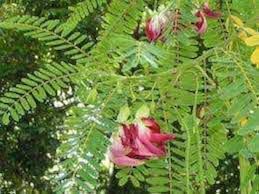
This incredible leaves with strong antioxidant properties prevent lipid peroxidation and hinder the growth of tumor cells. The flowers are well known to have apoptosis effect against lung cancer cells and also avert and treat colon cancer.
Immense amounts of calcium, iron and vitamins in agathi leaves are valuable in fortifying the bones and reduces the risk of osteoporosis and arthritis in older people. Regular addition of this nutrient-dense leaves prevent fragile bones, improves bone mineral density and support bone health.
Agathi leaves and flowers are bitter and astringent in taste and leaves are fibrous and crunchy in texture. The calyx and stamen are removed from the leaves while cooking as these elevate the bitterness. However excess intake may cause stomach upsets and it best to add ginger , OU and Saru to counteract this effect. Adding grated coconut to agathi leaves or flowers helps to offset the bitter taste. Add these amazing greens in your regular diet to reap the wellness incentives.
Agasti in english Sesbania grandiflora, commonly known as vegetable hummingbird, katurai, agati, or West Indian pea, is a small leguminous tree native to Maritime South and Southeast Asia and Northern Australia. It has edible flowers and leaves . The leaves are commonly eaten in Southeast Asia , Northern Australia, Europe and South Asia. Agasti trees are being cultivated in plenty in Malaysia, Indonesia, Philippines, Brunei , Shri Lanka, South India and Northern Australia . This tree has many traditional uses. It grows where there is good soil and a hot, humid climate.
The flowers and fruits of Agasti are being eaten as a vegetable in Southeast Asia and South Asia, including Java and Lombok in Indonesia, the Ilocos Region of the Philippines, Vietnam, Laos, and Thailand. In the Thai language, the flowers are called dok khae and are used in the cuisine both cooked in curries, such as kaeng som and kaeng khae, and raw or blanched with nam phrik.
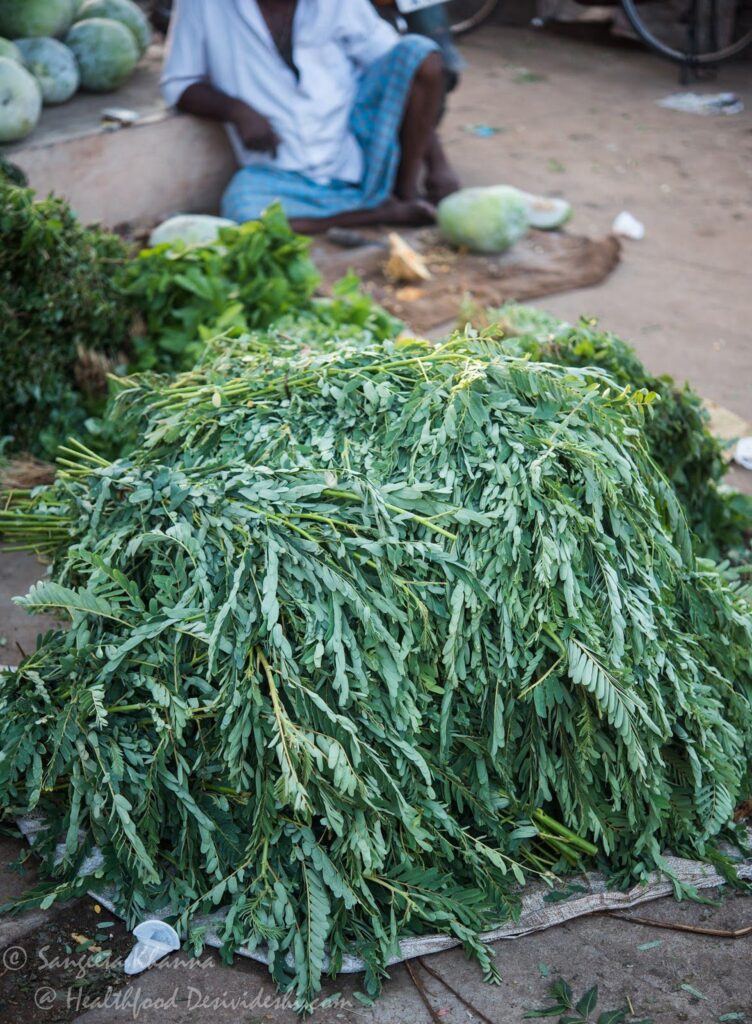
Agasti flowers are 92% water, 7% carbohydrates, 1% protein, and contain no fat. In a reference amount of 100 grams (3.5 oz), the flowers supply 27 calories, and are a rich source of vitamin C (88% of the Daily Value, DV) and folate (26% DV).
Agathi spinach will facilitate easy digestion. Agathi leaves have been used extensively in Ayurveda for treating several ailments including migraine, sinusitis, fever and respiratory woes. The leaves possess powerful anthelmintic, diuretic and laxative property.
Agathi is known for its various medicinal benefits. It is used to treat a range of diseases and health conditions, such as diabetes, skin diseases, digestive disorders, kidney disorders, and liver disorders. It is also believed to have antioxidant, anti-diabetic, anti-inflammatory, and cholesterol-lowering properties.
The red Agasti flower represents Maa Kali’s tongue and the colour denotes her fierceness. Hence, red Hibiscus flower is offered to the Goddess usually in the form of garland made of 108 of these flowers.Agasti flowers both red and white can be offered to all Hindu’s Gods and Goddesses