
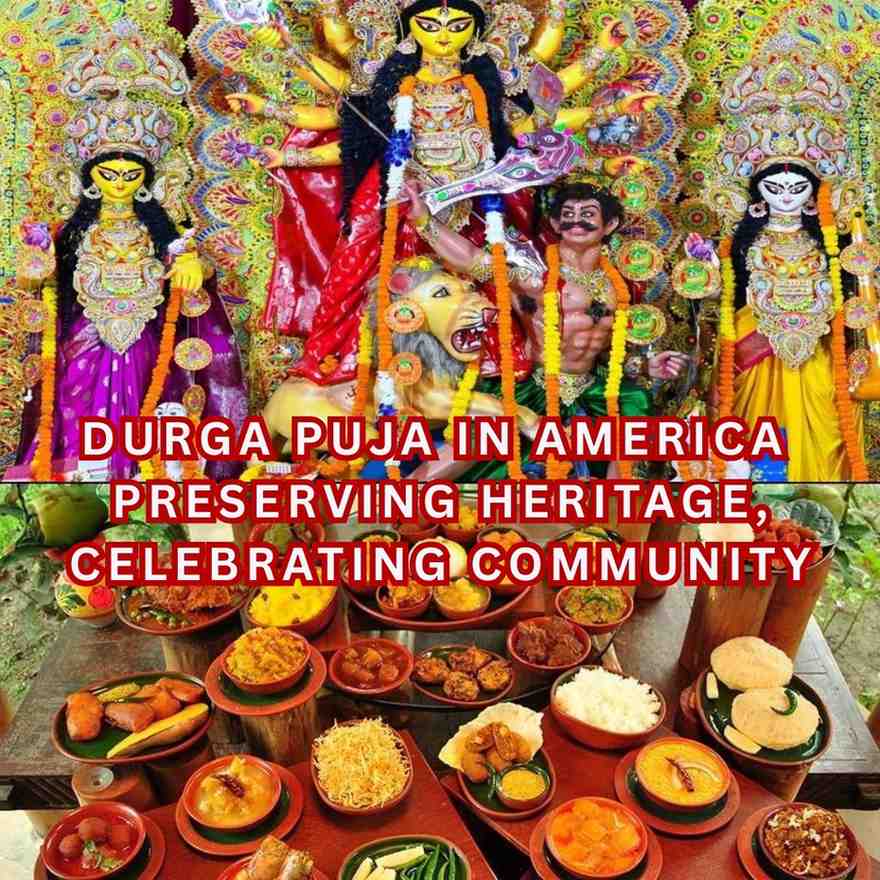
Durga Puja in America : Preserving Heritage, Celebrating Community
By Lokanath Mishra
Durga Puja, one of the grandest festivals in the Hindu calendar, is far more than a religious observance. It is a celebration of heritage, identity, and collective memory. Across the United States, Indian diaspora communities—from New York to California—mark the festival with a blend of devotion and cultural pride. While Bengali associations often lead the way with large-scale celebrations, Odia Hindus have also cultivated distinctive ways of honoring the goddess, ensuring that the rituals, sounds, and flavors of Odisha find a home in the American landscape.
A Festival of Community
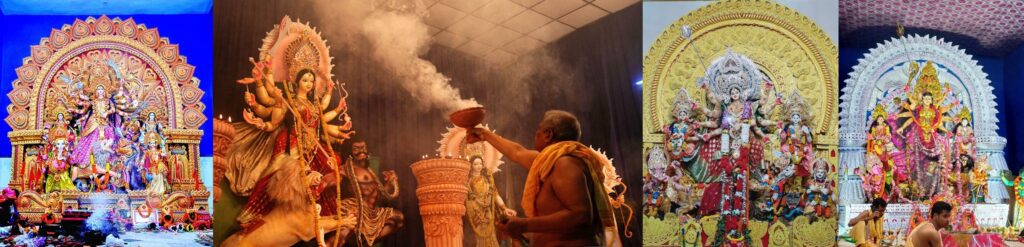
In America, where the rhythms of daily life seldom pause for religious observances, Durga Puja takes on the character of a community-driven festival. Cultural associations, temples, and regional groups organize events that bring together not only Odias, but also fellow Indians and American friends curious to experience India’s cultural richness.
These gatherings are often held in community halls, temples such as the Shri Jagannath Temples across the country, and sometimes in iconic public spaces. The recent Durga Puja at New York’s Times Square, attended by thousands in traditional attire, reflects how the festival has expanded into the public sphere, both celebrating identity and sharing it with a wider audience.
Rituals Rooted in Odisha’s Traditions

For Odia Hindus, the rituals remain the heart of the festival. The Kalasha Sthapana, invoking the goddess at the start of the festivities, is performed with deep reverence. The Sandhi Puja, conducted at the sacred transition between Maha Ashtami and Navami, retains its solemnity even in faraway lands. The recitation of the Chandi Saptashati, along with devotional hymns, creates an atmosphere of spiritual intensity, connecting participants to generations of tradition.
The beloved custom of Sindoor Khela, where married women exchange vermilion on Vijaya Dashami, is observed with enthusiasm, symbolizing both the strength of Durga and the bonds of sisterhood. While the dramatic immersion of idols into rivers is not always possible in the United States, beautifully decorated pandals and adapted farewell rituals ensure that the festival’s emotional core remains intact.
Culture as Celebration
Beyond ritual, Durga Puja has evolved into a showcase of culture. For Odia communities, cultural programs are a way of ensuring continuity across generations. Dance performances, devotional songs, and dramatizations of mythological episodes are staged with enthusiasm. Children, often born and raised in America, take to the stage in traditional attire, reciting Sanskrit verses or performing classical dances—small but powerful affirmations of identity in a multicultural society.
These performances also serve as an introduction to Indian culture for American audiences. Non-Indian guests frequently attend, enchanted by the music, costumes, and stories that unfold. In this sense, Durga Puja functions as a cultural bridge, linking the Odia community to the broader American mosaic.
Food and Fellowship
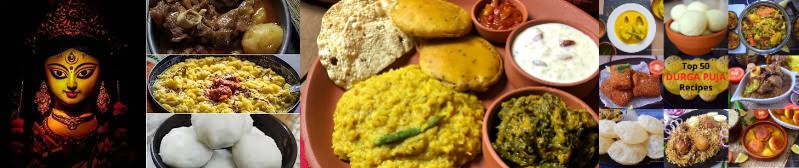
No account of Durga Puja would be complete without food. In Odisha, the festival is marked by sumptuous feasts, and this spirit has traveled overseas. Community kitchens bustle with activity as volunteers prepare elaborate meals, often featuring Odia specialties alongside broader Indian fare. The act of sharing food—whether a simple khichdi bhog or an elaborate multi-course spread—becomes a celebration of abundance and togetherness.
Adapting to American Life
Unlike in India, where Durga Puja stretches across several days with public holidays, Odia Hindus in the United States adapt to the realities of work and school schedules. Most celebrations are condensed into weekends, with events packed into two or three days. Families frequently travel long distances to attend, underscoring the importance of these gatherings as touchstones of cultural life.
These adaptations do not diminish the festival’s vibrancy. On the contrary, the condensed format often heightens the sense of occasion. Every moment—from the chanting of hymns to the laughter shared over meals—feels precious, a reminder of home in a foreign land.
A Season of Festivals
Durga Puja in America often coincides with Navratri festivities, and many Odia Hindus participate in the broader cultural calendar that includes Garba and Dandiya nights. From Dallas to Jersey City, university groups and cultural organizations host energetic evenings of dance and music, blending traditional rhythms with contemporary beats. This broader season of celebration enriches the festival landscape, offering multiple ways for the diaspora to connect with Indian traditions.
Sustaining Identity Across Generations
At its core, Durga Puja in America is about more than ritual observance. It is an act of cultural preservation and transmission. For Odia Hindus, the festival provides a vital link to their roots, a way of sustaining language, customs, and values in a foreign land. It is also a celebration of resilience—of the goddess who defeats evil, and of a community that continues to thrive by holding fast to its heritage.
In decorated halls and temple courtyards across the United States, as the sound of conch shells mingles with the rhythms of tabla and the laughter of children, the spirit of Durga is alive and radiant. For Odias and for all who join in the celebrations, Durga Puja in America is not just a festival. It is home, recreated and reimagined, across oceans.
Shakta Tantra Tradition – The Worship of Devi
ମା ଆସୁଛନ୍ତି
Durga Madhav Upasana and the Unique Tradition of 16 Days Durga Puja in Odisha:
Pingback: Dussehra : A Celebration of the Triumph of Good Over Evil - UniverseHeaven