
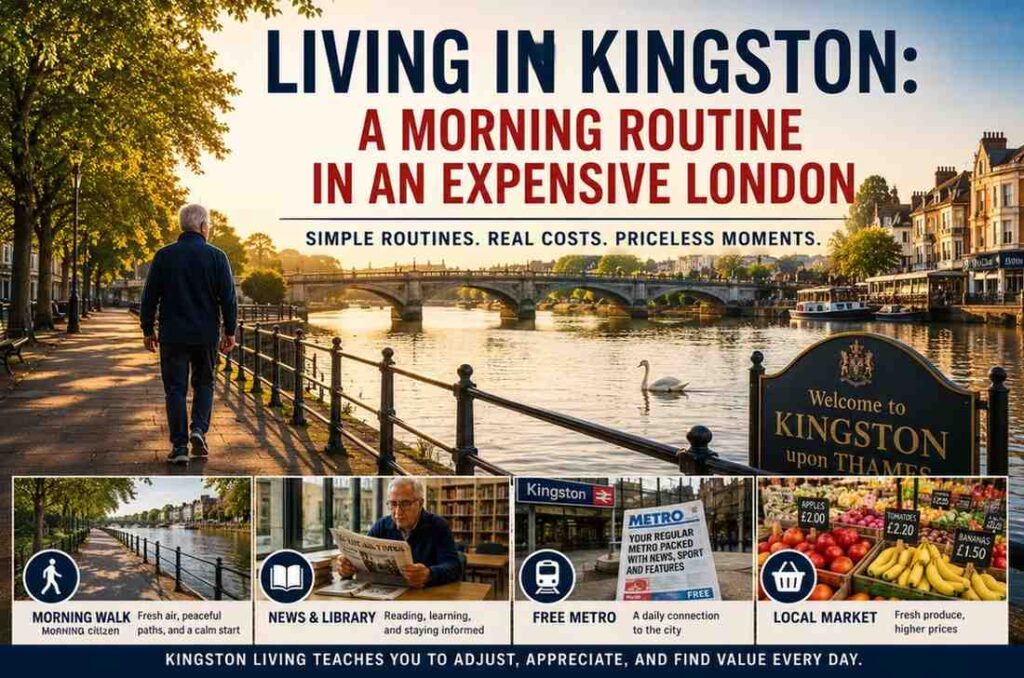
Living in Kingston: A Morning Routine in an Expensive London
By Lokanath Mishra
I am currently staying in Kingston, London, and each day here begins with a simple routine. Every morning I step out for a walk. The Thames Path and the quiet lanes of Kingston offer a calm start, with runners, dog walkers, and the occasional swan along the river. The fresh air and green spaces make the early hours the best part of the day.
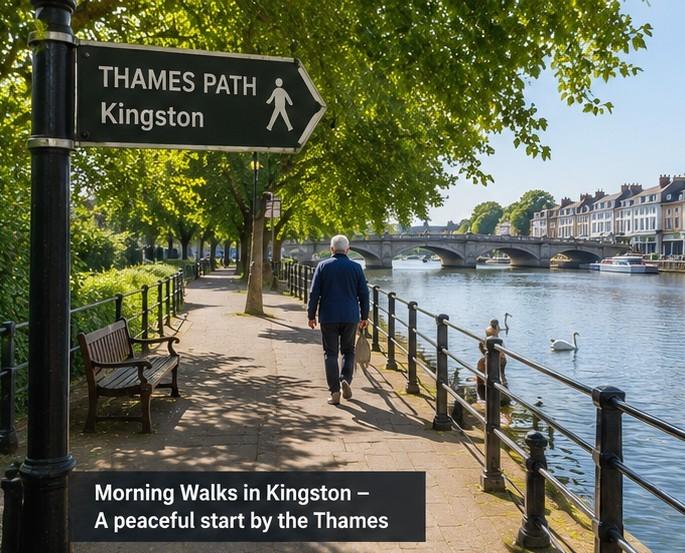
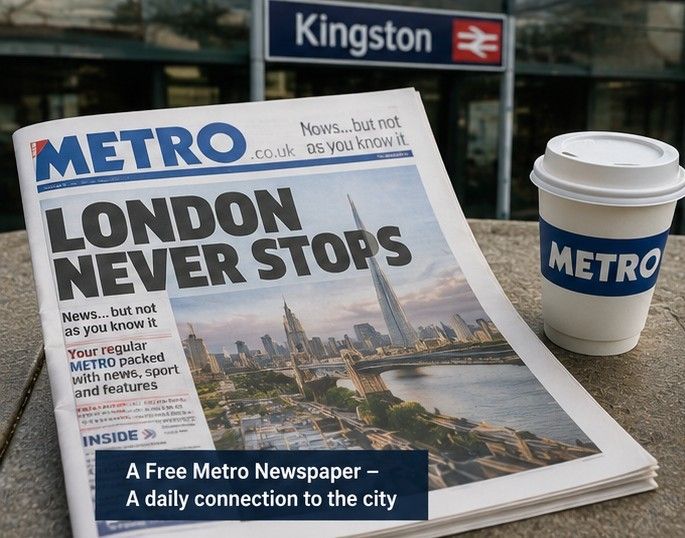
After my walk, I head to the local library. It has become my place to catch up on the world. I spend time reading newspapers, comparing headlines and perspectives. From there, I walk to the railway station or bus stop to pick up Metro, the free daily newspaper. It is a small ritual that connects me to the pulse of the city.
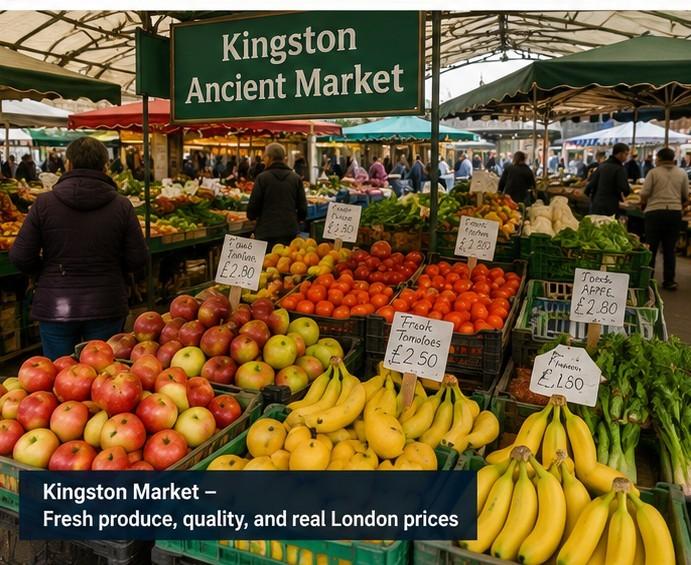
Groceries take me to the open market. Kingston’s Ancient Market has stalls with fresh fruits and vegetables. The produce is good quality, but the prices are a reminder of where I am. A few apples, some tomatoes, and a bunch of bananas can easily cost what a full bag would back home.

Why Everything Feels Expensive in London
Living in Kingston quickly shows why London has a reputation for high costs. Three factors stand out:
Housing drives everything
London’s housing demand far outstrips supply. Kingston, though a suburb, benefits from fast links to central London and a riverside setting. That pushes rents and property prices up. Shopkeepers, market traders, and service workers all pay higher rents, and those costs get passed on to customers.
Wages and operating costs
The London Living Wage is higher than the rest of the UK because businesses must pay staff enough to afford the city. Add in business rates, utility bills, and transport costs for goods coming into the city, and the price of a loaf of bread or a litre of milk rises.
Import dependence and taxes
Much of London’s food is imported. Fuel, shipping, and post-Brexit checks add costs. VAT on many goods, high commercial rents, and council taxes also filter into daily prices. Even free activities like my library visits sit inside council-funded buildings that run on tight, expensive budgets.
Finding Value in an Expensive City
Despite the costs, Kingston offers balance. The public library is free. Parks and the riverside walks cost nothing. The Metro paper is free. Markets are still cheaper than supermarkets for seasonal produce if you buy wisely. The community feel, safety, and access to central London in 30 minutes by train make the expense easier to understand, if not easier to pay.
London teaches you to adjust. You walk more, waste less, and appreciate small free pleasures. My mornings here are simple: a walk, the news, and the market. They anchor me in a city where everything has a price, but some routines remain priceless.