

Omkareshwar Temple — The Divine Form of Shiva
By Lokanath Mishra
Our first destination was the Omkareshwar Temple, dedicated to Lord Shiva in the form known as Omkareshwar. The name itself — Omkareshwar — means “Lord of the Om Sound”, symbolizing the eternal vibration of the universe.
This sacred temple is located on Mandhata Island (also called Shivapuri) in the Narmada River. According to ancient legend, the island is shaped like the symbol “ॐ (Om)”, which makes it one of the twelve revered Jyotirlingas of India. A Jyotirlinga represents the radiant, infinite form of Lord Shiva — the source of light and energy in the cosmos.
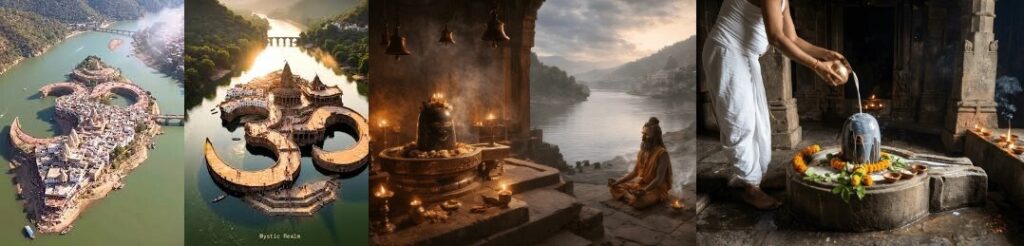
Historically, Omkareshwar’s origins trace back to texts such as the Skanda Purana, which recount how Lord Shiva revealed himself here to bless devotees and bestow spiritual liberation (moksha). Over centuries, the temple received patronage from many dynasties, including the Paramaras and the Mughals, who recognized its sanctity and ensured its protection.
At Omkareshwar, one experiences the vibration of Om — the primal sound from which creation is believed to have emerged. The darshan and abhishek performed here symbolize purification of the heart, surrender of the ego, and the seeker’s reunion with the source of divine consciousness.
Mamaleshwar Temple — A Historic Abode of Shiva
After our darshan at Omkareshwar, we proceeded to the Mamaleshwar Temple, another sacred shrine dedicated to Lord Shiva. Located close to the main temple, Mamaleshwar is equally revered and carries its own share of legend and devotion.
The temple is believed to be one of the original sites of Shiva worship on the Omkareshwar island, established long before the main Jyotirlinga shrine took prominence. Some scholars link Mamaleshwar’s history to ancient traditions of sadhana (spiritual practice) observed by sages who meditated here on the banks of the Narmada.
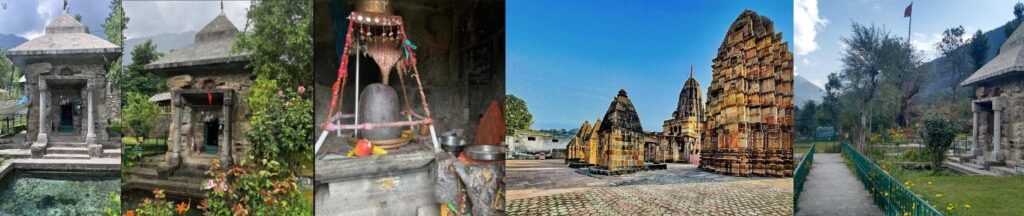
Architecturally, the temple reflects a blend of medieval artistry, with inspiring carvings and serene sanctum spaces that invite deep contemplation.
Making darshan at Mamaleshwar is a reminder that the Divine is not only in grand shrines but also present in every quiet corner of life. It teaches us that devotion is not dependent on scale, but on sincerity of heart.
Snan and Tarpan in the Narmada — The Eternal Flow of Purity
After temple darshans, we walked towards the Narmada River to perform Snan and Tarpan — sacred rituals associated with purification and ancestral honoring.
The Narmada, one of India’s seven holy rivers, is steeped in spiritual significance. It is considered a living goddess (Narmada Mai), whose pure waters wash away sins and grant peace to the soul. According to tradition, taking a holy bath (snan) in the Narmada cleanses not only the body but also the deepest layers of the mind, releasing karmic burdens and opening the door to spiritual awakening.

Tarpan — the offering of water and prayers to ancestors — is a way of expressing gratitude and seeking blessings from departed forebears. It reflects the belief that our lives are rooted in the past, and honoring those roots brings harmony and blessing in the present.
The river reminds us that life, like water, is ever-flowing. Holding on to grievances, fears, or ego is like damming the river — it blocks peace. By surrendering ourselves to the flow — through snan and prayer — we embrace cleansing, renewal, and spiritual continuity.
Reflection — A Journey Beyond the Physical
Our pilgrimage to Omkareshwar was not merely a travel experience; it was a journey inward — an exploration of history, devotion, and the eternal truth that binds all beings.
From the Omkareshwar Jyotirlinga, which echoes the cosmic vibration of existence, to the serene sanctity of Mamaleshwar, and the purifying waters of the Narmada, each moment held a lesson:
• Omkareshwar taught us about the infinite Divine within and beyond form.
• Mamaleshwar reminded us that devotion thrives in simplicity and purity of heart.
• Narmada’s snan and tarpan stood for cleansing, continuity, and connection — with both the seen and unseen.

Conclusion
Our hearts returned fuller than when we left — richer in peace, gratitude, and spiritual awakening. Pilgrimages like these are not journeys to a place, but journeys within ourselves. And Omkareshwar, with its ancient stones and sacred waters, stood as a timeless witness to that truth.
Gangeshwar Mahadev Temple, Diu : A Sacred Abode of Lord Shiva
A Brief but Memorable Sojourn in Diu
A Sacred Pilgrimage to Somnath : A Journey of Faith and Devotion
Pingback: Sri Jagannatha Darsana as the Culmination of Char Dhama and Dvadasa Jyotirlinga Pilgrimage - UniverseHeaven