
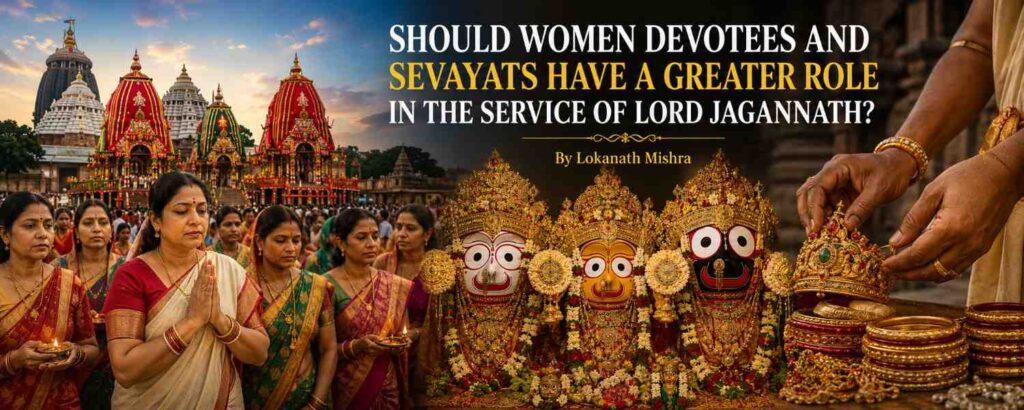
Should Women Devotees and Sevayats Have a Greater Role in the Service of Lord Jagannath?
By Lokanath Mishra
The annual Rath Yatra of Lord Shri Jagannath is not merely a religious festival; it is a living expression of Odisha’s spiritual heritage, where millions of devotees experience the Lord as the compassionate protector of all humanity. Every ritual associated with the festival carries deep symbolism, and among them the Suna Besha occupies a unique place.
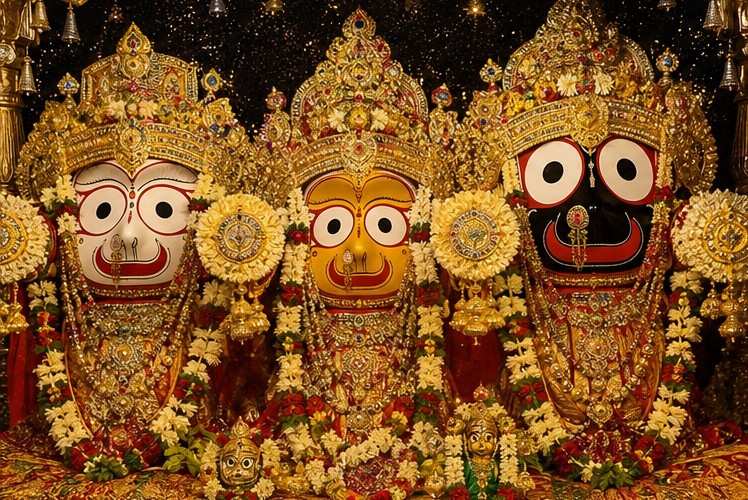
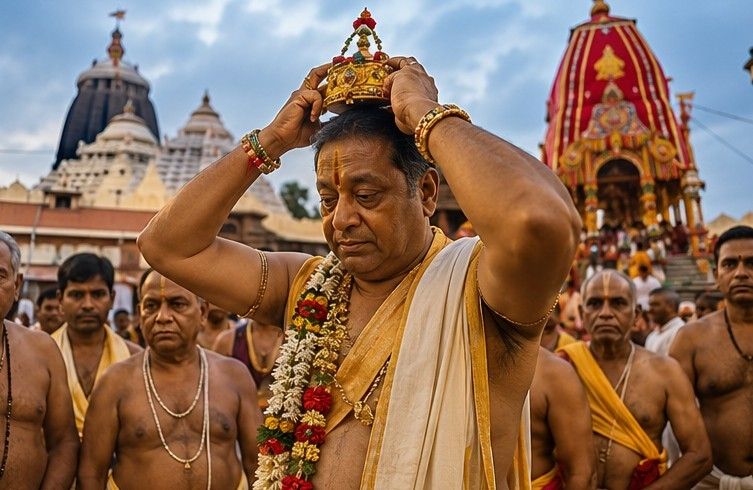
During this sacred occasion, the Daita Sevayats, who belong to one of the most revered hereditary service communities of Shri Jagannath Temple, perform several traditional rituals inherited over centuries. It is also observed that some Daita Sevayats wear ornaments that are traditionally associated with women, including bangles and other decorative ornaments. This raises an important question for thoughtful discussion: if male servitors can symbolically assume feminine characteristics during certain rituals, should there be greater scope for women to participate directly in temple seva where tradition and temple regulations permit?
This question is neither intended to criticize the ancient traditions nor to diminish the invaluable contribution of the Daita community. Rather, it seeks to understand the spiritual philosophy behind these practices in the light of Hindu scriptures.
The Jagannath tradition repeatedly teaches that before the Supreme Lord all living beings are His eternal servants. The Bhagavata Purana describes the highest form of devotion as complete surrender, transcending worldly distinctions of caste, gender, wealth, or social status. Similarly, the Padma Purana and Skanda Purana, especially the sections relating to Purushottama Kshetra, glorify devotion (bhakti) as the supreme qualification for approaching Lord Jagannath.
The Brahma Purana, in its description of Purushottama Kshetra, repeatedly emphasizes that Lord Jagannath bestows His grace upon every sincere devotee without discrimination. Likewise, the Skanda Purana (Purushottama Mahatmya) teaches that the Lord’s mercy extends equally to all who approach Him with pure devotion.
In the Vaishnava philosophical tradition, every soul (jiva) is understood as the eternal servant of the Supreme Lord. Great teachers explain that the soul is spiritually receptive to God, and therefore devotional literature often employs feminine symbolism to express the devotee’s loving relationship with the Divine. This spiritual symbolism may explain why certain rituals permit male servitors to wear ornaments associated with feminine devotion.
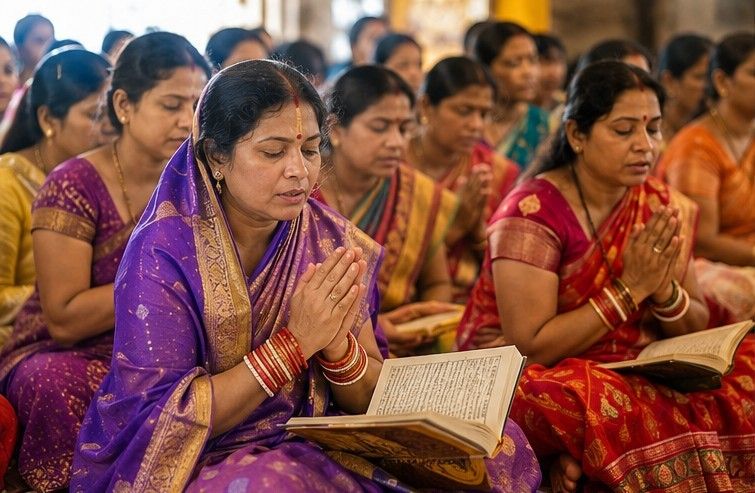
If such symbolism is accepted within temple tradition, another thoughtful question naturally arises. Why should women, who are equally devoted to Lord Jagannath, not be entrusted with appropriate forms of temple service wherever scriptures and temple administration find it acceptable? Throughout Hindu history, women such as Andal, Mirabai, Akka Mahadevi and numerous unnamed devotees have attained the highest spiritual realization through their devotion.
In contemporary society, Hindu women actively participate in every aspect of religious life. They conduct vrata, perform puja, recite the Bhagavata, study the Gita, lead devotional singing, and contribute significantly to temple activities across India. Even customs regarding ornaments have evolved over time. Today, women—including widows in many Hindu communities—wear bangles according to personal choice and regional tradition, reflecting changing social practices while maintaining their faith.
Archaeological discoveries further reveal that bangles have been part of Indian civilization for nearly five thousand years. The famous bronze “Dancing Girl” of Mohenjo-daro, dating to the Indus Valley Civilization, depicts a young woman wearing numerous bangles. Over centuries, bangles made of shell, terracotta, bronze, gold, glass and lacquer became important symbols of beauty, culture and social identity throughout the Indian subcontinent. Their significance has evolved with time and varies across different regions and communities.
The Shri Jagannath Temple has preserved ancient customs for centuries, and any change concerning temple rituals must naturally be approached with great care, respect for scripture, established tradition, and the guidance of the Mukti Mandap scholars, temple authorities and the Gajapati Maharaja. Nevertheless, respectful discussion has always been part of Sanatana Dharma. The Upanishadic spirit encourages sincere inquiry in the pursuit of truth.
Therefore, the question is not whether tradition should be abandoned. Rather, it is whether the spiritual principles of equality before Lord Jagannath can inspire thoughtful reflection on the future role of women in temple service while preserving the sanctity of age-old rituals.
Lord Jagannath is lovingly known as Patita Pavana—the Redeemer of All. His compassion embraces every devotee without distinction. As society evolves, respectful dialogue rooted in scripture, tradition and devotion can help ensure that His universal message continues to inspire future generations.
“Bhakti, not birth or gender, is the soul of Sanatana Dharma. Before Lord Jagannath, every devotee seeks only one identity—the humble servant of the Lord.”
The Jagannath tradition has always embraced profound spiritual symbolism. In the Gaudiya Vaishnava tradition, Shri Chaitanya Mahaprabhu is revered as the combined manifestation of Shri Radha and Shri Krishna, with Lord Krishna accepting the mood and devotion of Srimati Radharani to experience the highest form of divine love. If the Supreme Lord Himself can manifest both the masculine and feminine aspects of divinity, and if male Daita Sevayats can, during sacred rituals such as Suna Besha, wear ornaments traditionally associated with women as part of devotional symbolism, then it is reasonable to reflect upon whether sincere women devotees may also be entrusted with appropriate forms of seva before Lord Jagannath.
The Bhagavata Purana, Brahma Purana, Skanda Purana (Purushottama Mahatmya), and the teachings of the Vaishnava Acharyas consistently emphasize that devotion (bhakti) is the highest qualification for serving the Lord. Before Jagannath Mahaprabhu, every soul is His eternal servant, irrespective of gender.
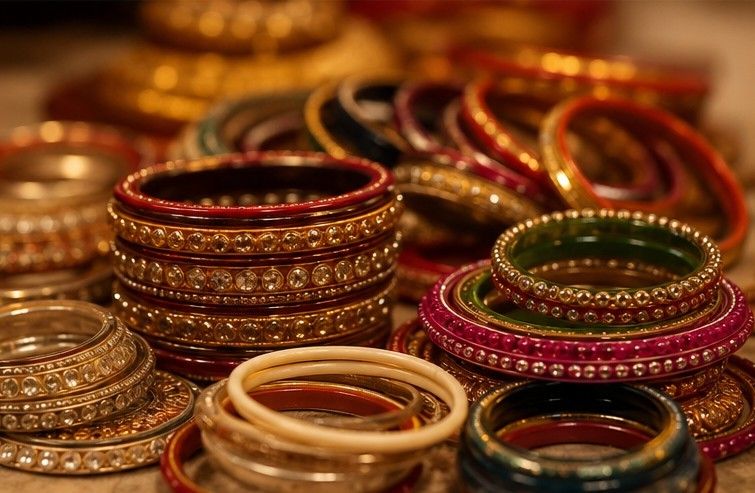
Today, women actively participate in every sphere of Hindu religious life. They study scriptures, perform vrata and puja, recite the Bhagavata, and preserve Sanatana Dharma within families and society. Social customs have also evolved. Bangles, once associated with particular marital customs, are now commonly worn by Hindu women—including widows in many communities—without diminishing their dignity or religious standing.
Therefore, while fully respecting the centuries-old traditions of Shri Jagannath Temple, it is worth considering whether the Temple Administration, the Shree Jagannath Temple Managing Committee, the Mukti Mandap scholars, and the traditional Sevayat communities may initiate a respectful dialogue on permitting women Sevayats to perform appropriate categories of seva in accordance with scriptural guidance and temple discipline.
Sanatana Dharma has never feared sincere inquiry. It has always grown through thoughtful dialogue rooted in scripture, tradition, and devotion. If Lord Jagannath is truly “Patita Pavana”—the Lord of all—then every sincere devotee, man or woman, deserves respectful consideration in the service of the Lord.