
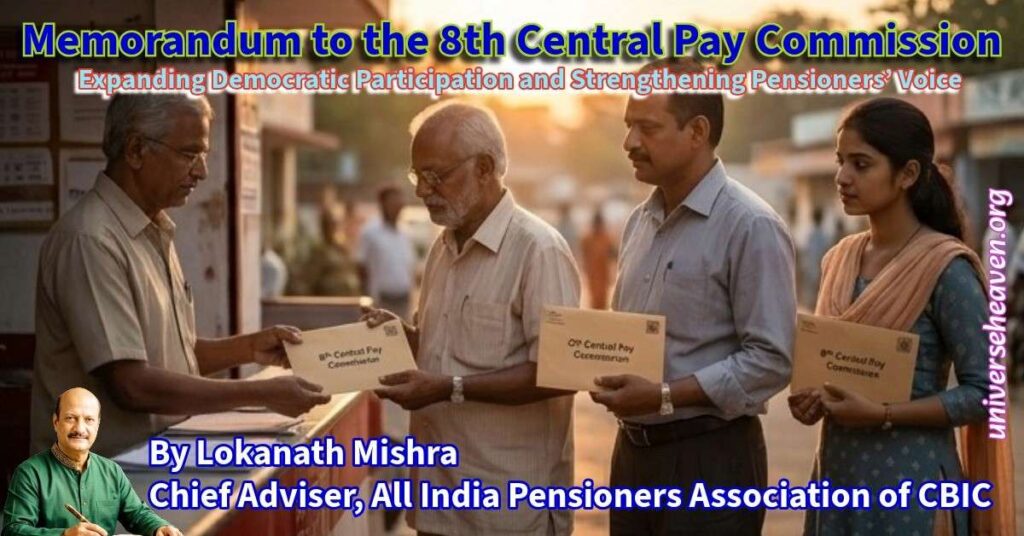
Memorandum to the 8th Central Pay Commission: Expanding Democratic Participation and Strengthening Pensioners’ Voice:
By Lokanath Mishra
Chief Adviser, All India Pensioners Association of CBIC
The constitution of the 8th Central Pay Commission (CPC) marks a significant moment in the ongoing evolution of public service administration in India. Pay Commissions have historically played a pivotal role in determining the salary structures, allowances, and pensionary benefits of Central Government employees and retirees. Their recommendations not only influence the financial well-being of millions but also shape the broader framework of governance, efficiency, and equity within the public sector.
In an important and progressive step, the 8th CPC has invited representations, memoranda, and suggestions from a wide spectrum of stakeholders. These include Central Government employees—both industrial and non-industrial—personnel belonging to the All India Services, Defence Forces, Union Territories, the Indian Audit and Accounts Department, regulatory bodies established under Acts of Parliament (excluding the RBI), as well as officers and employees of the Supreme Court, High Courts (in Union Territories), and subordinate judiciary. Pensioners, service associations, unions, and various government ministries and departments have also been invited to contribute their perspectives.

What distinguishes this Commission from its predecessors is a landmark decision: for the first time, individual Central Government employees have been invited to submit memoranda directly to the Commission. This represents a fundamental shift from past practices. Traditionally, only recognized associations and unions were permitted to present collective representations. Direct submissions by individual employees were not only discouraged but often considered a violation of conduct rules, which mandate that official communications be routed through proper channels.
This change signals a move towards greater inclusivity and participatory governance. By opening the door to individual voices, the Commission acknowledges that policy formulation benefits from diverse, ground-level insights that may not always be fully captured through institutional channels. It democratizes the process, allowing employees at all levels to articulate their concerns, expectations, and suggestions without procedural barriers.
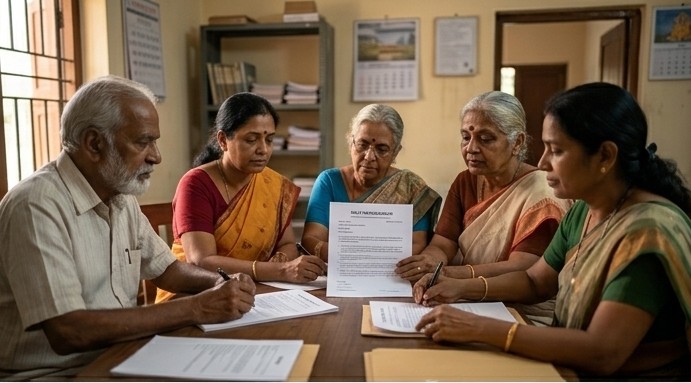
For pensioners, however, this is not an entirely new development. Even in previous Pay Commissions, retirees were permitted to submit memoranda in their individual capacity, recognizing their unique position outside the constraints of service conduct rules. Pensioners, having served the nation over decades, bring invaluable experience and perspective, particularly on issues related to post-retirement security, healthcare, and cost-of-living adjustments.
In order to facilitate meaningful and structured submissions, it is pertinent to note that a sample copy of the memorandum—prepared in accordance with the questionnaire prescribed by the 8th CPC—has already been widely circulated in several WhatsApp groups and has also been published in UniverseHeaven. Pensioners and associations are advised to refer to this sample document while drafting their own memoranda, so that their submissions remain aligned with the Commission’s format and expectations.
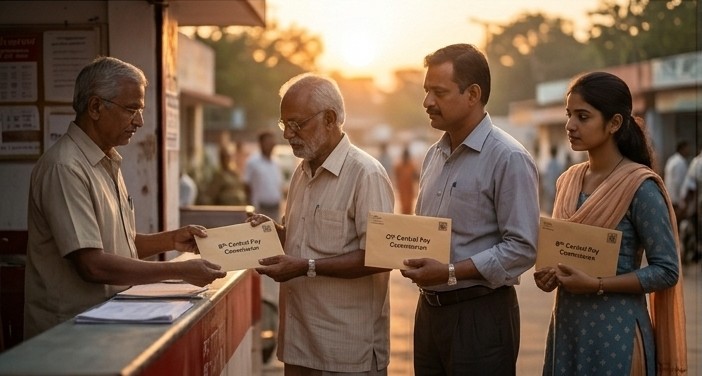
In light of this opportunity, the All India Pensioners Association of CBIC has taken proactive steps to mobilize its members. We have urged our pensioner colleagues and affiliated local associations across the country to prepare and submit their memoranda to the 8th CPC without delay. It must be clearly borne in mind that the last date for submission of memoranda is 30 April 2026, and any delay may result in exclusion from consideration.
This call to action is not merely procedural—it is a matter of collective responsibility. Pensioners must articulate their concerns on critical issues such as pension revision mechanisms, parity between past and present retirees, healthcare benefits, and the impact of inflation on fixed incomes. Their submissions should be well-reasoned, evidence-based, and reflective of the broader interests of the pensioner community.

The 8th CPC’s inclusive approach offers a rare and valuable platform. It is incumbent upon all stakeholders—employees, pensioners, and associations alike—to engage constructively with this process. Through thoughtful and timely participation, we can contribute to shaping a compensation and pension framework that is fair, sustainable, and responsive to the needs of those who serve and have served the nation.
⸻
The author is Chief Adviser of the All India Pensioners Association of CBIC and has been actively engaged in pension policy advocacy.