
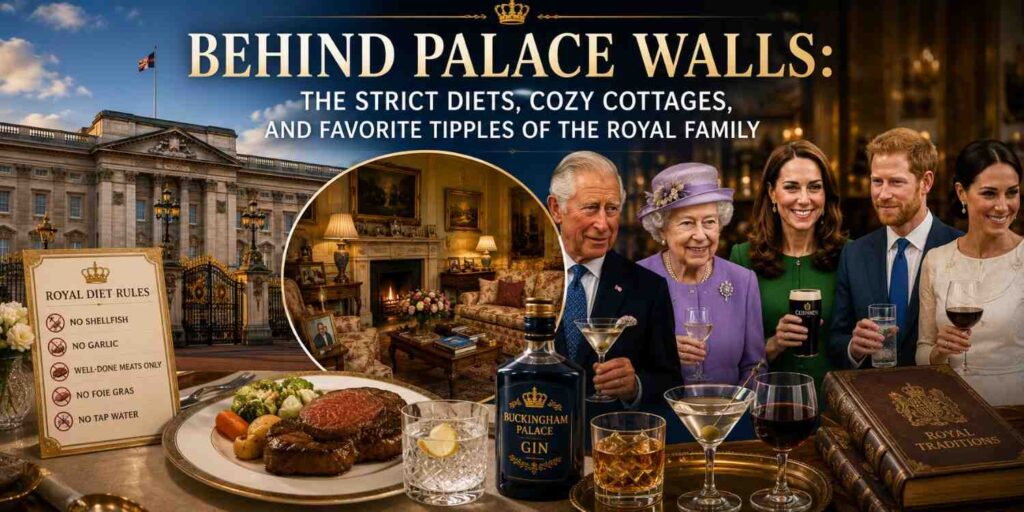
BEHIND PALACE WALLS: THE STRICT DIETS, COZY COTTAGES, AND FAVORITE TIPPLES OF THE ROYAL FAMILY
To the public, the British Royal Family is the epitome of grand opulence, moving seamlessly between glittering state banquets, historic palaces, and global tours. Yet, behind the heavy iron gates of Buckingham Palace and Kensington Palace lies a far more practical—and occasionally surprising—reality. From strict culinary prohibitions designed to prevent international incidents to a penchant for “country house chic” decor and very specific cocktail orders, life as a working royal is dictated by a unique blend of rigid etiquette, safety protocols, and deeply ingrained personal habits.
Garlic, Shellfish, and Well-Done Steaks: The Ultimate Royal Menu
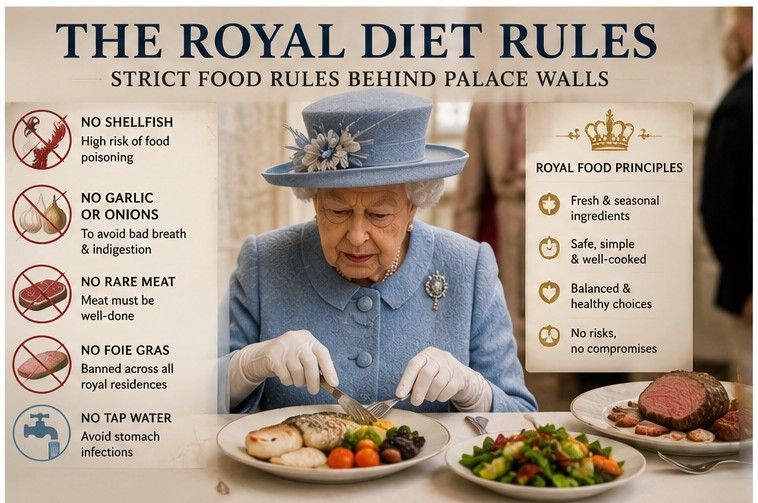
While royal chefs are capable of preparing the world’s finest delicacies, the royal menu is heavily policed. The primary motivator behind these dietary restrictions is simple: the disruption of a tightly packed royal schedule due to illness or etiquette blunders is unacceptable.
Consequently, certain foods are strictly banned or heavily avoided:
The Seafood Shield: Shellfish, including prawns, oysters, lobster, and crab, are strict “no-gos,” particularly during official tours and public engagements. The high risk of foodborne illness means royals cannot afford to take the gamble.
The Scent Barrier: Garlic and heavy onions are famously barred from state banquets and royal events. The restriction, aimed at preventing bad breath or indigestion during close-up interactions with foreign diplomats and the public, protects against what palace insiders have playfully termed “the royal burp.”
No Rare Meat: While beef and pork are staple items—frequently enjoyed as traditional British roasts for Sunday lunches—they must be thoroughly cooked. Rare or raw meats, such as steak tartare, are off-limits due to the risk of E. coli or Salmonella. The late Queen Elizabeth II famously insisted her steak be served completely well-done.
The Environmental Ban: King Charles III has institutionalized his long-standing commitment to animal welfare by enforcing a strict, permanent ban on foie gras across all royal residences.
Globetrotting Precautions: When traveling abroad, royals are advised to entirely avoid tap water to ward off stomach bugs.
Private Discipline: Even when dining alone, discipline prevails. Queen Elizabeth II famously adhered to a strict rule of avoiding starchy carbs like pasta, rice, and potatoes for dinner, favoring simple fish and vegetables instead.
However, rules are occasionally meant to be broken; former palace chefs note that outside of official duties, individual royals have been known to subtly sample a forbidden dish or two.
“Country House Chic”: The Surprisingly Cozy Reality of Royal Homes
While the grand state rooms of Buckingham Palace host world leaders, they are not where the royals actually kick off their shoes. The day-to-day “home” for a working royal in London is typically a much more modest, multi-bedroom cottage or an apartment nestled within a larger palace compound.
Properties like Kensington Palace’s Apartment 1A function essentially like large, multi-story terraced townhouses, complete with private walled gardens and family kitchens. Meanwhile, smaller residences like Nottingham Cottage or Ivy Cottage are basic, two-bedroom brick properties featuring low ceilings and cozy, compact rooms.
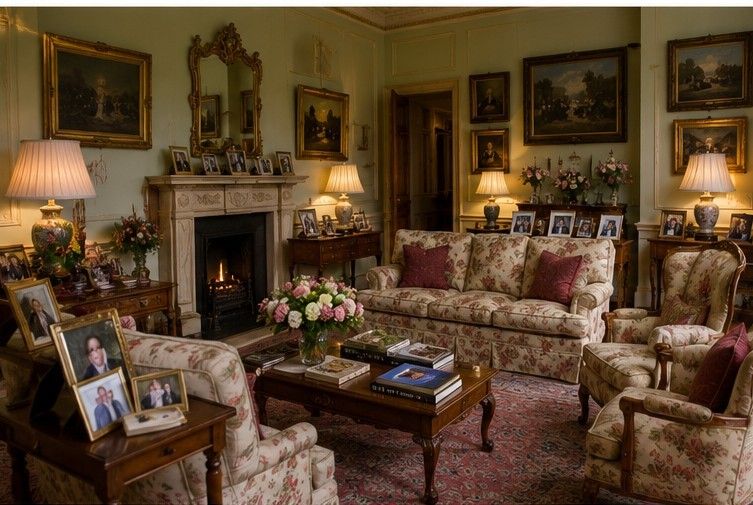
Inside these private quarters, modern minimalism is entirely rejected in favor of a style often called “country house chic.” The aesthetic leans into cluttered comfort: living rooms are filled with mismatched sofas, open log or gas fireplaces with traditional stone mantels, and an abundance of family photos resting on every available surface. Rather than harsh modern overhead spotlights, the rooms rely on the warm, dim ambiance of standard table lamps and floor lighting. Polished mahogany or oak antique writing desks and historic oil paintings sit comfortably alongside modern flat-screen televisions, creating a space that feels deeply traditional and lived-in.
Raising a Glass: From Palace Gin to the “Wet” Martini
When the long day of public duties and strict dieting draws to a close, the Royal Household is well-stocked to serve a wide array of alcohol. The palace cellars, meticulously curated by historic wine merchants Berry Bros. & Rudd, house everything from crisp Sauvignon Blanc to fine Bordeaux and Barolo. Historic French Champagnes like Bollinger, Pol Roger, and Laurent-Perrier hold continuous Royal Warrants and remain staples at weddings and banquets.
The family also produces its own alcohol, utilizing botanicals grown directly in the palace gardens to distill the official Buckingham Palace Gin.
Individually, the royals boast highly distinct personal preferences:
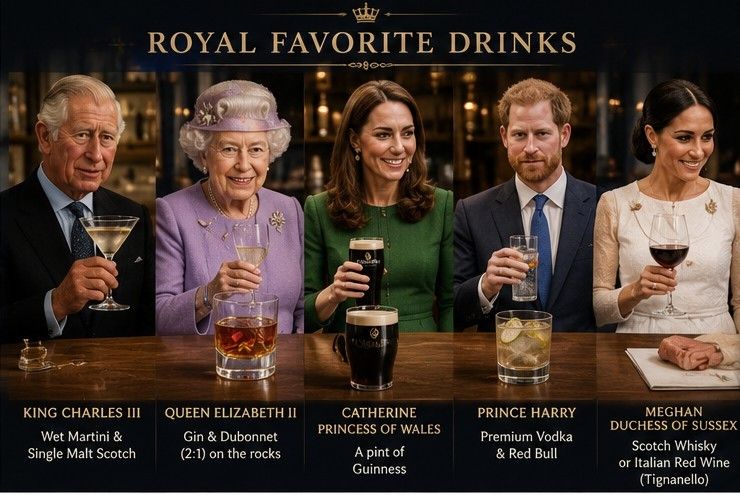
King Charles III is known for his affinity for a “wet” martini, mixed with equal parts gin and dry vermouth. He also favors peated single malt Scotch whisky, famously awarding a Royal Warrant to the Laphroaig distillery in 1994.
The late Queen Elizabeth II was famous for her daily pre-lunch aperitif: a Gin and Dubonnet, served on the rocks with two parts Dubonnet to one part London Dry Gin.
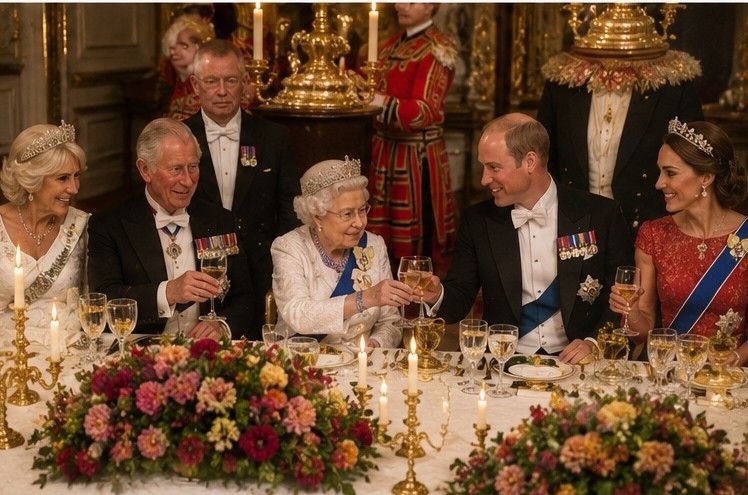
Catherine, Princess of Wales maintains a fondness for a pint of Guinness, a preference often seen when she attends St. Patrick’s Day events.
Prince Harry has been known to prefer premium vodkas, such as Cîroc, occasionally mixing it with Red Bull.
Meghan, Duchess of Sussex favors a neat pour of Scotch whisky or a glass of rich Italian red wine, specifically naming Tignanello as a favorite.
Ultimately, life behind the palace gates is a balancing act. While the public sees a world dictated by grand tradition, the private lives of the British Monarchy are shaped by a practical mix of strict safety rules, comforting, cluttered living spaces, and the simple pleasure of a favorite drink at the end of the day.