
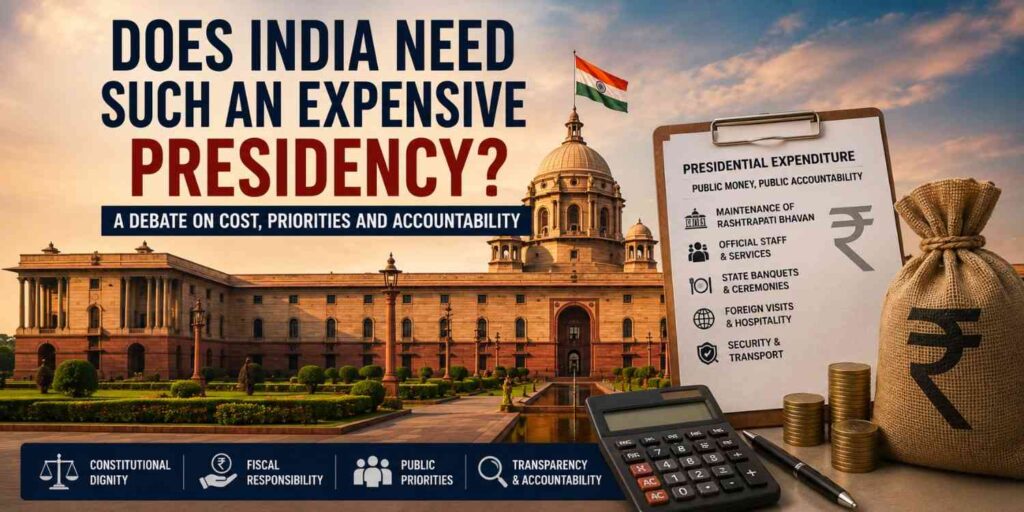
Does India Need Such an Expensive Presidency?
By Lokanath Mishra
Every democracy must periodically ask itself a simple question: are public institutions delivering value that is proportionate to the money citizens spend on them? The office of the President of India deserves to be part of that discussion.
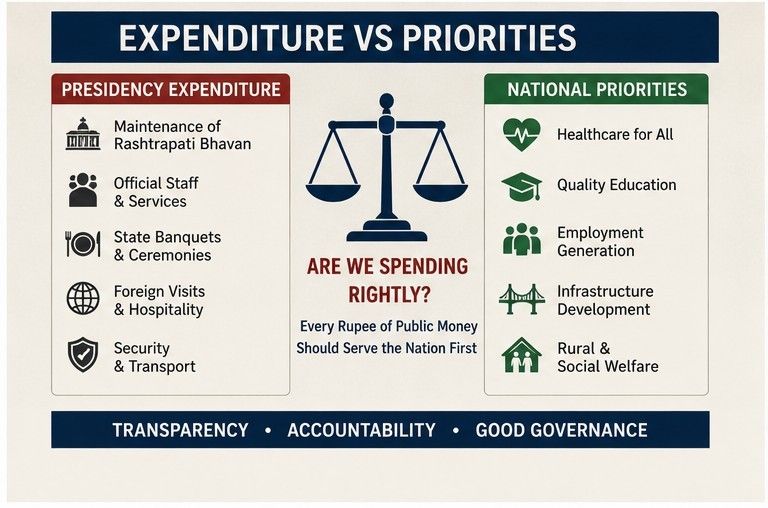
India’s President is the constitutional Head of State and the guardian of the Constitution. The office performs important ceremonial and constitutional functions. Yet it is equally legitimate to examine whether the scale of expenditure associated with the Presidency is appropriate for a developing nation with pressing demands in healthcare, education, employment and infrastructure.
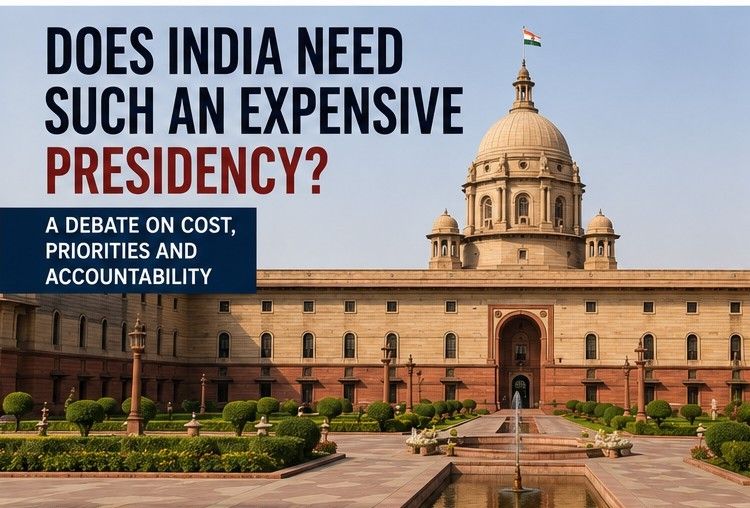
The Rashtrapati Bhavan, originally built as the Viceroy’s House during British rule, is among the largest official residences in the world. Spread across an enormous estate, it includes hundreds of rooms, extensive gardens, fountains, sports facilities, stables, staff quarters and numerous support services. Maintaining such a vast heritage complex requires significant public expenditure every year.
Apart from the maintenance of the estate, the Presidency involves the cost of official staff, vehicles, ceremonial events, state banquets, foreign dignitaries’ visits, travel, hospitality and security arrangements. While security is non-negotiable for the Head of State, taxpayers are entitled to know the full financial implications of maintaining the institution and whether every expense is justified.
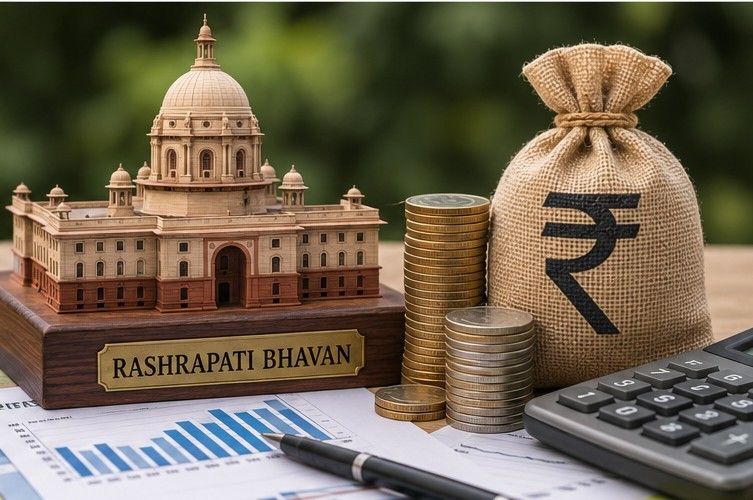
Recent reports of substantial public expenditure surrounding presidential celebrations have again brought this issue into public debate. Whether these events are justified or excessive should be examined with complete transparency. Public confidence is strengthened when governments proactively disclose detailed expenditure and explain its purpose.
The larger question is whether India should continue maintaining such an elaborate presidential establishment inherited from the colonial era. Many democracies operate with more modest official residences while preserving the dignity of the office. Heritage buildings can be maintained without necessarily requiring every part of the complex to function as an active residential establishment.
One possible reform would be to preserve Rashtrapati Bhavan primarily as a national heritage monument, museum and venue for major state ceremonies, while considering a more modest official residence for the President. Such an approach could potentially reduce recurring expenditure while increasing public access to one of India’s greatest architectural landmarks.
Others would argue that Rashtrapati Bhavan is an important symbol of the Republic and an essential venue for hosting heads of state, constitutional ceremonies and diplomatic engagements. They would contend that the prestige and continuity associated with the institution justify its costs. This perspective also deserves careful consideration.
The real issue, therefore, is not whether India should have a President. It certainly should. The question is whether the scale of expenditure reflects the priorities of a nation still striving to eliminate poverty and improve public services.
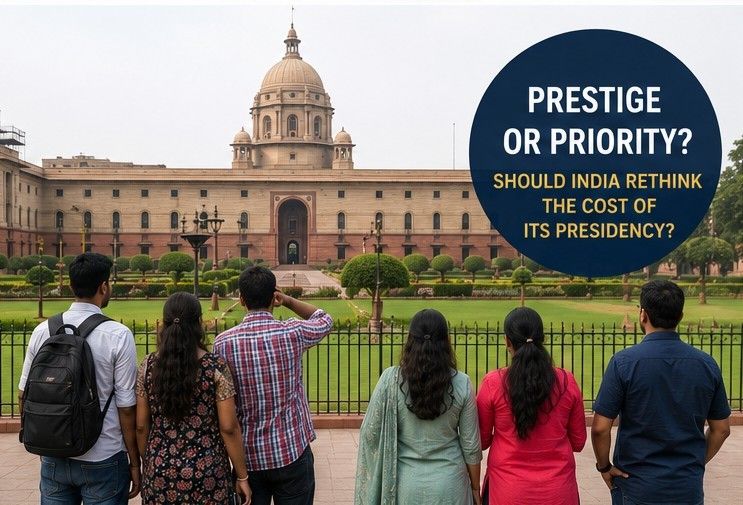
A mature democracy does not fear such debates. Instead, it welcomes informed public discussion, transparent accounting and periodic institutional reform. Every rupee spent from the public exchequer should be open to scrutiny, and every constitutional office—however prestigious—should demonstrate accountability to the citizens who ultimately fund it.
Respect for constitutional institutions and fiscal responsibility are not opposing values. They are complementary pillars of a healthy democracy.
Shame on you even for bringing up this topic! We need the President of course and the cost? To the country size of India? Would you rather have the President live in a modest house and have a private residence in country side in London like the Pakistanis?