
From Mutton to Chicken : The Changing Story of Biryani in Odisha:?
By Lokanath Mishra
Biryani is not merely a dish in Odisha; it is a culinary emotion that unites families, friends, and communities during celebrations, festivals, weddings, and social gatherings. Over the decades, the popularity of biryani has grown so immensely that it has become one of the most sought-after meals across the state. Yet, a significant change has quietly taken place in recent years: chicken biryani has gradually overtaken mutton biryani as the preferred choice of many Odias.
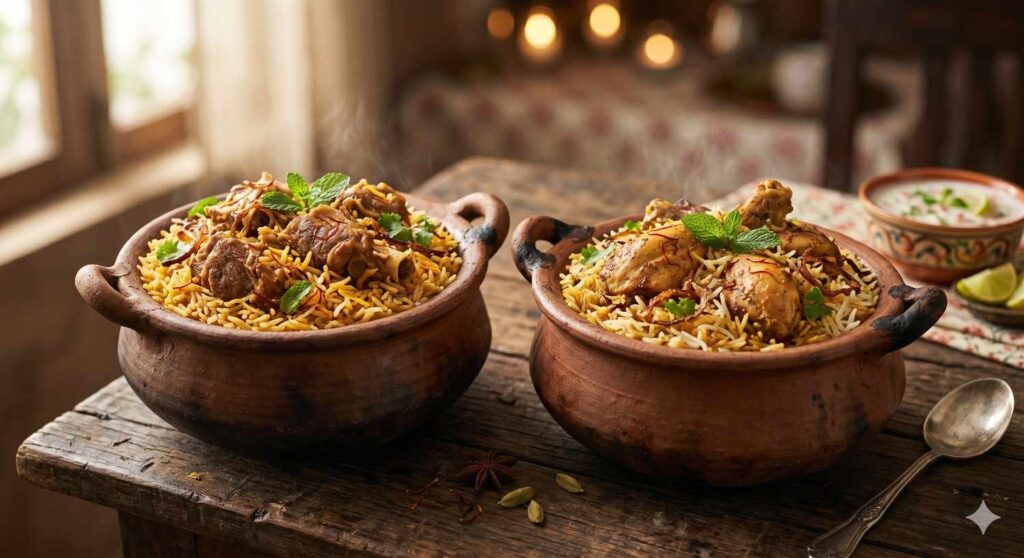
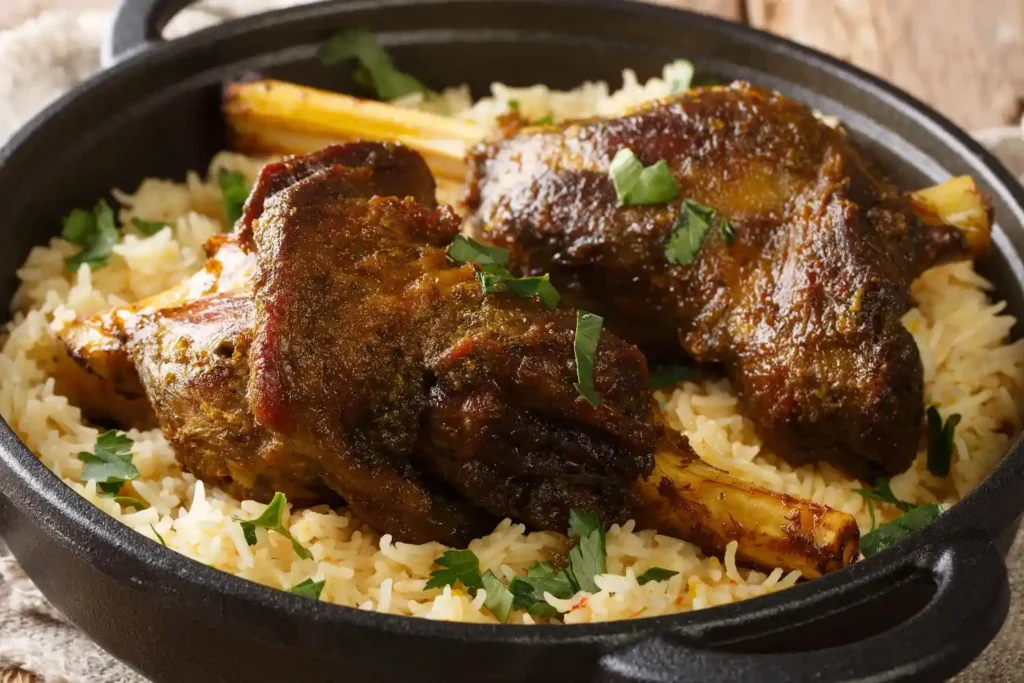
Traditionally, biryani was synonymous with succulent mutton cooked slowly with aromatic rice and fragrant spices. The rich flavor of mutton, combined with the delicate aroma of basmati rice, created a royal dish that was associated with luxury and festivity. However, the declining availability of pure and authentic khasi (goat) meat, coupled with rising prices, has led many consumers and restaurants to shift towards chicken biryani.
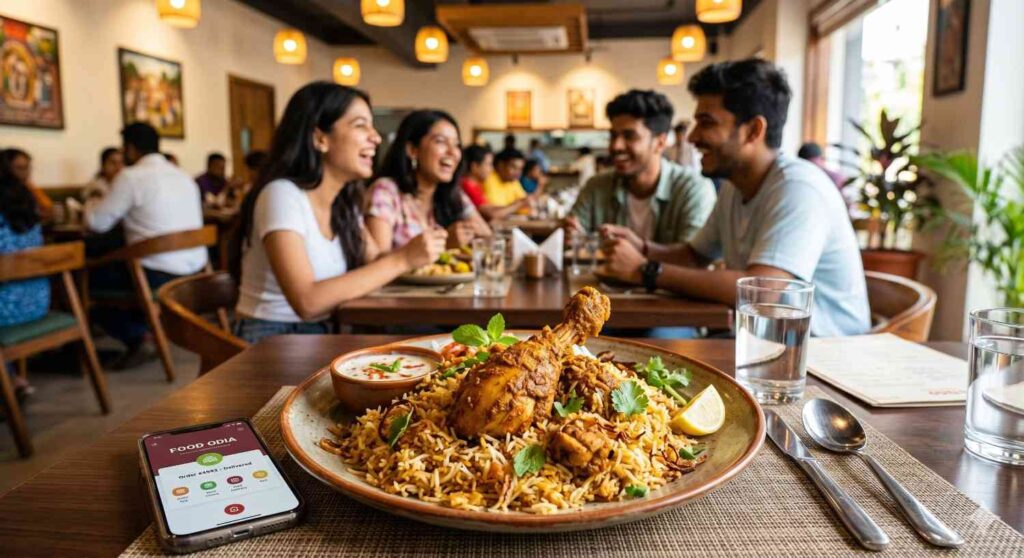
Today, chicken biryani dominates restaurant menus, food delivery platforms, and family celebrations. It is more affordable, readily available, easier to cook, and appeals to younger generations. While many connoisseurs still consider mutton biryani the king of biryanis, chicken biryani has become the people’s choice.
The Historical Roots of Biryani in Odisha
The history of biryani in Odisha is closely connected with the arrival of Muslim rule in the state following the conquest of Odisha in 1568 AD. Over the centuries, Persian, Mughal, Bengali, and local Odia culinary traditions blended together to create unique regional food cultures.
The state’s strategic location along eastern trade routes facilitated constant interaction with Bengal, particularly Kolkata. As traders, administrators, and migrants moved between the two regions, culinary traditions also travelled. Biryani was one of the most significant beneficiaries of this cultural exchange.
Over time, Odisha developed its own distinctive style known as Kataki Biryani, named after the historic city of Cuttack.
The Birth of Kataki Biryani
The story of Kataki Biryani is inseparable from the name of Dilbar Khan, affectionately known as Tikki Mian, who lived in Khatbin Sahi in Cuttack during the mid-twentieth century.
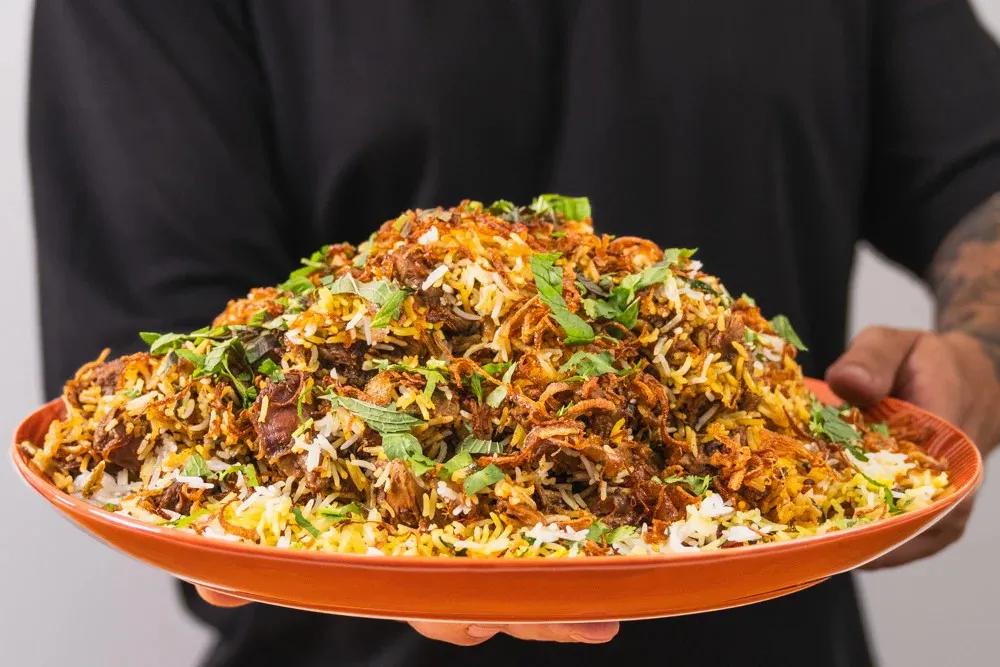
Tikki Mian refined a cooking technique that became the hallmark of Kataki Biryani. The meat, traditionally mutton, was first partially cooked with carefully selected spices. It was then layered with rice and slow-cooked over a gentle fire using the famous “dum” method. This process allowed the flavors of the spices, meat, and rice to blend harmoniously while preserving their individual characteristics.
The result was a biryani that was aromatic, flavorful, and distinct from both Hyderabadi and Lucknowi styles.
The Influence of Kolkata
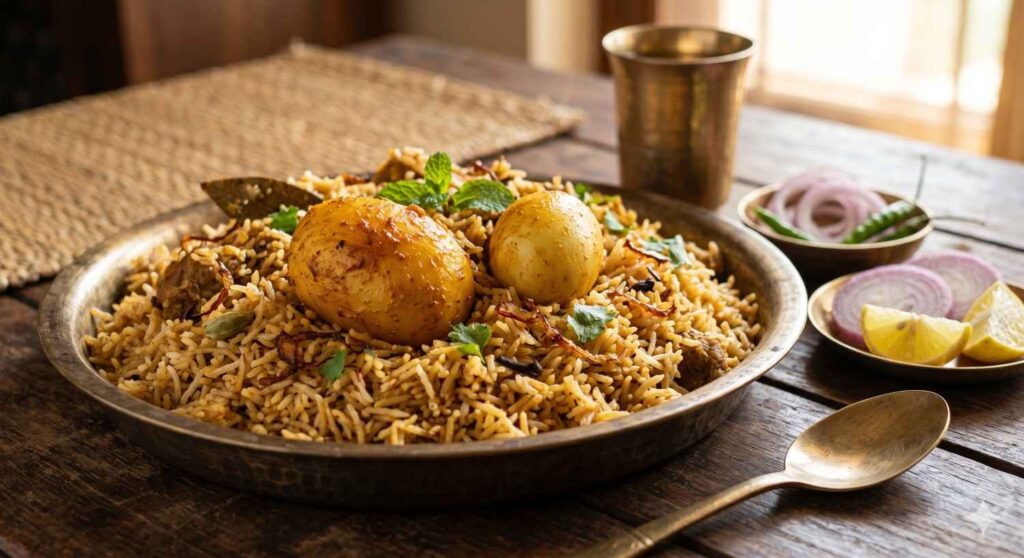
One of the most recognizable features of Kataki Biryani is the inclusion of a large potato, a tradition inherited from Kolkata Biryani.
Food historians believe that the potato entered biryani during the period of economic constraints in the Nawabi kitchens of Bengal, where potatoes were used as a substitute for expensive meat. Eventually, the potato became so beloved that it evolved into an essential ingredient rather than a substitute.
In Odisha, the perfectly cooked potato is often considered as important as the meat itself. Many biryani lovers eagerly search for the richly spiced potato before touching the meat.
Boiled eggs are also frequently included, adding another layer of texture and flavor to the dish.
Dada Biryani and the Democratization of Biryani
Another major chapter in Odisha’s biryani history was written by D.K. Dey, popularly known as Dada. After migrating from Kolkata, he established a food outlet in Buxi Bazaar, Cuttack, which became famous as Dada Fast Food Centre (DFC).
Dada Biryani transformed biryani from a specialty enjoyed by select communities into a popular meal accessible to people from all walks of life. Students, office workers, families, and travelers flocked to taste the flavorful preparation.
The success of DFC inspired numerous entrepreneurs across Odisha to open biryani restaurants, leading to the widespread popularity of the dish throughout the state.
Why Chicken Biryani is Winning
Several factors explain the growing preference for chicken biryani.
First, authentic khasi meat has become increasingly difficult to obtain. Consumers often complain about inconsistent quality and escalating prices. Chicken, on the other hand, is available throughout the year and is considerably cheaper.
Second, chicken cooks faster and absorbs spices more readily, making it ideal for large-scale commercial preparation.
Third, health-conscious consumers often perceive chicken as a lighter and healthier alternative to red meat.
Finally, the younger generation has embraced chicken biryani because of its affordability and easy availability through food delivery services.
As a result, many restaurants now sell significantly more chicken biryani than mutton biryani.
The Odia Way of Enjoying Biryani
While biryani itself is a complete meal, Odias have developed unique accompaniments that enhance its taste.
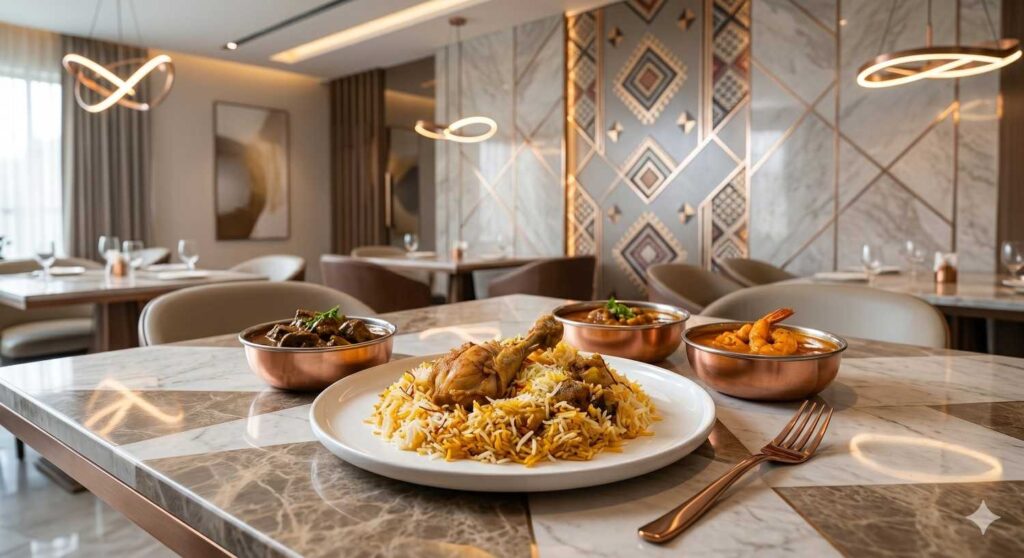
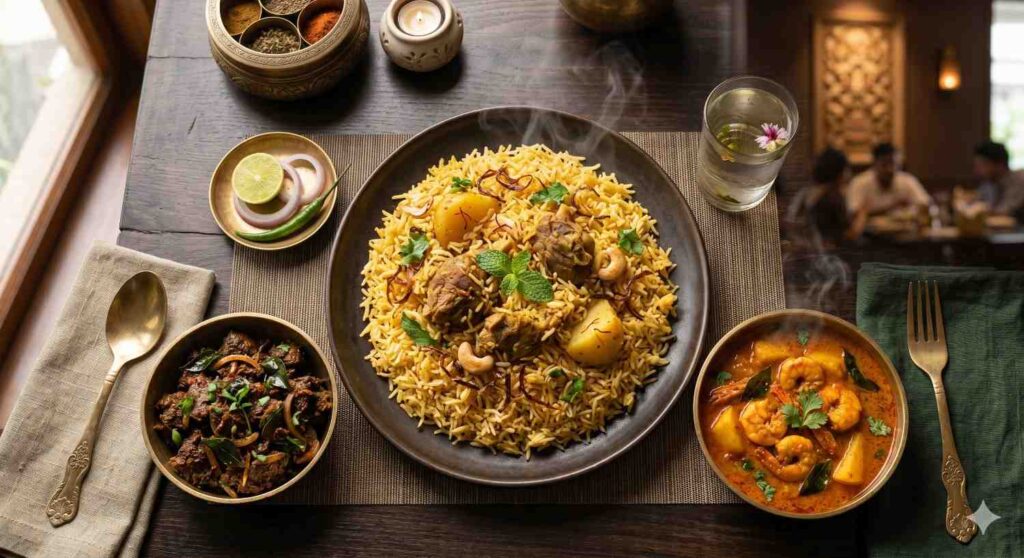
Among the most popular side dishes are liver masala and prawn curry. The spicy richness of liver masala complements the fragrant rice exceptionally well. Similarly, Odisha’s abundant coastal seafood has inspired the pairing of biryani with flavorful prawn curries, creating a distinctive fusion of Mughlai and coastal Odia cuisines.
Many biryani enthusiasts also enjoy their meal with raita, salad, spicy gravy, or boiled eggs. However, for countless food lovers in Odisha, a serving of liver masala or prawn curry alongside biryani elevates the dining experience to an entirely new level.
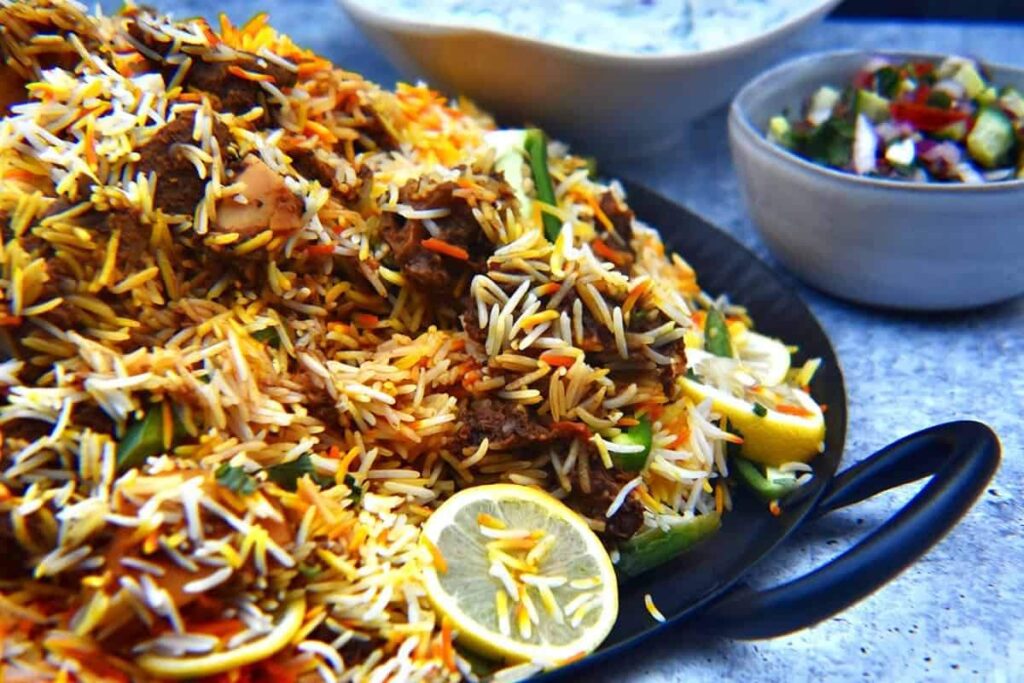
Biryani in Contemporary Odisha
Today, biryani has become a universal celebration food across Odisha. Birthdays, weddings, office parties, family gatherings, and festivals frequently feature biryani as the centerpiece of the menu.
Modern restaurants in Bhubaneswar, Cuttack, Berhampur, Rourkela, Sambalpur, and other cities offer an impressive range of options, including Kataki, Hyderabadi, Lucknowi, Kolkata, and even fusion varieties.
Yet despite these innovations, the essence of Odisha’s biryani tradition remains rooted in the rich heritage of Kataki Biryani—a culinary legacy shaped by history, trade, migration, and local creativity.
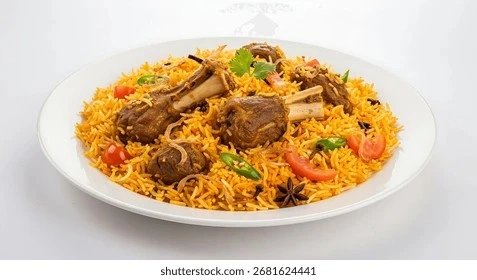
Whether prepared with mutton or chicken, accompanied by liver masala or prawn curry, biryani continues to symbolize celebration, hospitality, and the evolving food culture of Odisha. While chicken biryani may currently dominate the market, the timeless charm of traditional mutton biryani ensures that its royal legacy will endure for generations to come.